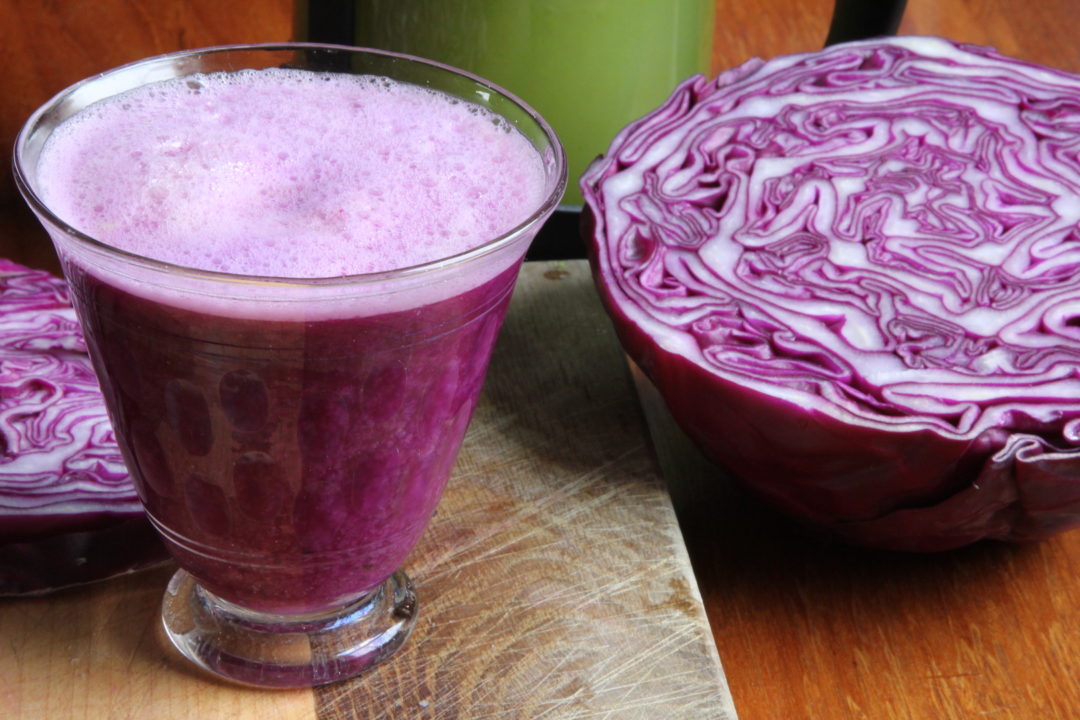
Cabbage syrup is a simple remedy for respiratory ailments.
Cabbage is known for its health benefits. Most of us consume it raw, often in the form of salad, but cabbage syrup is less known.
To have a therapeutic effect, sometimes cabbage needs to be boiled. In this regard, we provide you with a simple recipe that you can use for lung ailments.
Recipe: Pectoral Cabbage Syrup
The most therapeutically effective is red cabbage.
Ingredients:
60g cabbage,
70g honey,
1 liter of water.
Preparation:
Wash the cabbage well, chop it finely, and place it in a pot with 1 liter of water over heat. Boil for a longer time, about 20 minutes.
Strain the decoction, and after it has cooled, add the honey. Mix vigorously with a whisk for homogenization.
The resulting syrup can be used for lung diseases. It helps to thin bronchial secretions and eliminate them. Simple cabbage tea can also be useful for cough and hoarseness. Both the leaves and the core of the cabbage are recommended for preparing the tea.
Do not neglect the consumption of raw cabbage, through which we can benefit from its sulfur content. It is recommended to consume cabbage salad, about 300-400 grams per day, either plain or combined with other vegetables, such as carrots.
What benefits does cabbage have?
Cabbage is rich in calcium, phosphorus, iron, sulfur, and vitamins C, K, and U (responsible for the anti-ulcer effect). It has remineralizing and revitalizing effects.
Red cabbage has very good results in respiratory ailments, such as bronchitis, laryngitis, respiratory catarrh, and asthma (as an adjunct).
Consuming cabbage can also bring benefits in other conditions. Due to its diuretic action, it reduces edema, ascites, cirrhosis, and urinary lithiasis.
It is a good remedy against anemia, intestinal worms, hyperacid gastritis, and gastric and peptic ulcers. In these cases, raw cabbage juice is recommended, about 20-30 ml per day.
Cabbage is also said to function as an anti-diabetic agent. The greatest hypoglycemic effect is attributed to red cabbage.




