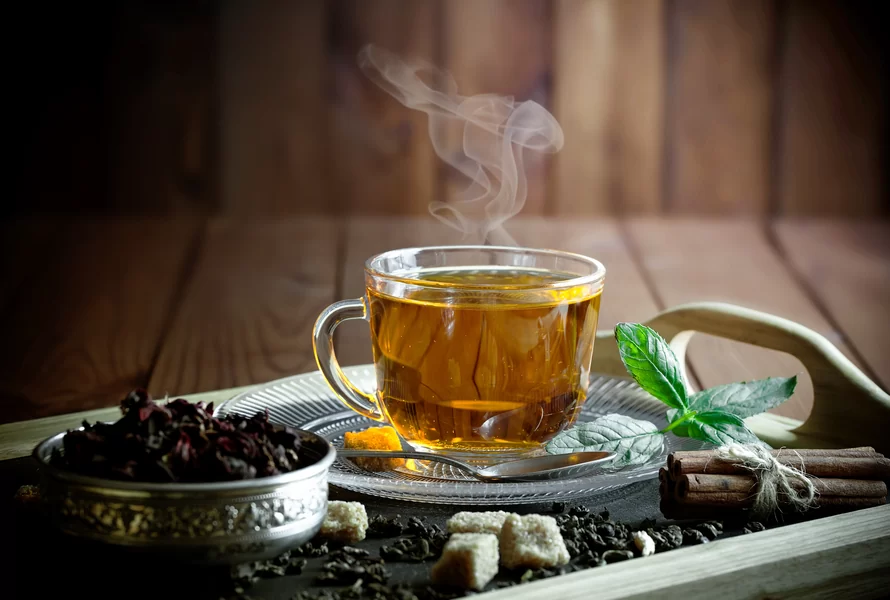
Gentle yet effective detoxification can be achieved with the help of four carefully selected medicinal plants: nettle, burdock, birch leaves, and calendula. This tea blend supports the body’s natural processes without overburdening the liver, kidneys, or lymphatic system, and is especially recommended during seasonal changes, periods of chronic fatigue, or after medication courses.
Necessary Ingredients:
-
Nettle (Urtica dioica) dried leaves
-
Burdock (Arctium lappa) dried root
-
Birch Leaves (Betula pendula)
-
Calendula Flowers (Calendula officinalis)
Preparation Method:
-
Mix the plants in equal parts.
-
From this mixture, use 1 tablespoon for 250 ml of boiling water.
-
Infuse covered for 10-15 minutes, then strain.
-
Consume 2-3 cups per day for 14-21 days, between meals.
Benefits of Each Plant:
1. Nettle – Blood Cleansing and Inflammation Regulation
Nettle is considered one of the most effective cleansing plants. It helps eliminate toxins from the blood by stimulating kidney function and lymphatic circulation. At the same time, its compounds (such as flavonoids and formic acid) have a demonstrated anti-inflammatory effect, contributing to the reduction of chronic inflammation in the body. Nettle also aids in oxygenating cells due to its high iron content, making it a good support for anemic individuals. It is also well tolerated by the body, even in longer courses.
2. Burdock – Deep Hepatic and Lymphatic Drainage
Burdock root is a powerful detoxifier, acting directly on the liver and lymphatic system. It has choleretic and cholagogue properties, meaning it stimulates the production and elimination of bile, which eases digestion and cleanses the liver. Burdock is rich in inulin, a natural prebiotic that supports intestinal flora health and immunity. Additionally, it helps eliminate heavy metals and excess uric acid from the body. Its action is gentle yet progressive, and it does not overburden the kidneys.
3. Birch Leaves – Diuretic and Lymphatic Detoxifier
Birch leaves stimulate diuresis without causing significant electrolyte loss, making them ideal for detoxification without exhaustion. They act on the lymphatic system, facilitating the elimination of stagnant fluids and cellular waste. They are rich in saponins, flavonoids, and tannins, substances with anti-inflammatory and antibacterial effects. Additionally, they have a tonic effect on the kidneys, supporting blood filtration naturally. Through their action on the liver and lymph, they contribute to reducing systemic inflammation and improving overall condition.
4. Calendula – Hepatic Regeneration and Natural Anti-inflammatory
Calendula is recognized for its protective effect on the liver and its ability to reduce inflammation. It contains calendulin and flavonoids that stimulate cellular regeneration and support hepatic detoxification. Additionally, it acts as a gentle tonic for the gallbladder, improving digestion and toxin elimination. Calendula is also beneficial for the skin, as internal cleansing often reflects in external appearance. The plant is well tolerated and can be used even in longer courses without major adverse effects.
Scientific Studies and Research:
A study published in Journal of Ethnopharmacology (2019) analyzed the effect of nettle extract on patients with chronic inflammatory diseases. The results showed a significant decrease in inflammatory markers (such as CRP) and an overall improvement in health status. Nettle was well tolerated and did not cause significant adverse reactions.
Burdock was analyzed in a study from Phytotherapy Research (2020), which showed that regular administration of root extract led to a decrease in heavy metal levels in the blood and an improvement in liver function. Its prebiotic action was confirmed, with a positive effect on the intestinal microbiome.
In another study from BMC Complementary Medicine and Therapies (2021), birch leaves were tested for their diuretic and anti-inflammatory effects. It was found that aqueous extracts significantly increased urinary elimination without negatively affecting potassium or sodium levels, making them safe for repeated use.
Calendula was included in research from the University of Krakow (2022), which investigated its ability to reduce hepatic oxidative stress. The study showed that calendula reduced lipid peroxide accumulation in the liver by over 30%, protecting liver cells and stimulating their regeneration.
All four plants have also been studied in combined formulas within natural therapies applied to patients with eczema and psoriasis. The treatment with this tea led to a reduction in dermatological symptoms in 6 out of 10 cases, according to a report published in Alternative Therapies in Health and Medicine.
Contraindications:
-
Nettle may slightly increase blood pressure and can interact with anticoagulant or antidiabetic medications.
-
Burdock is contraindicated for pregnant women and those who are breastfeeding.
-
Birch Leaves are not recommended in cases of severe kidney insufficiency or active kidney stones.
-
Calendula may cause allergic reactions in individuals sensitive to plants from the Asteraceae family.
It is recommended to consult a doctor before starting a treatment, especially for individuals with chronic diseases or those undergoing medication.




