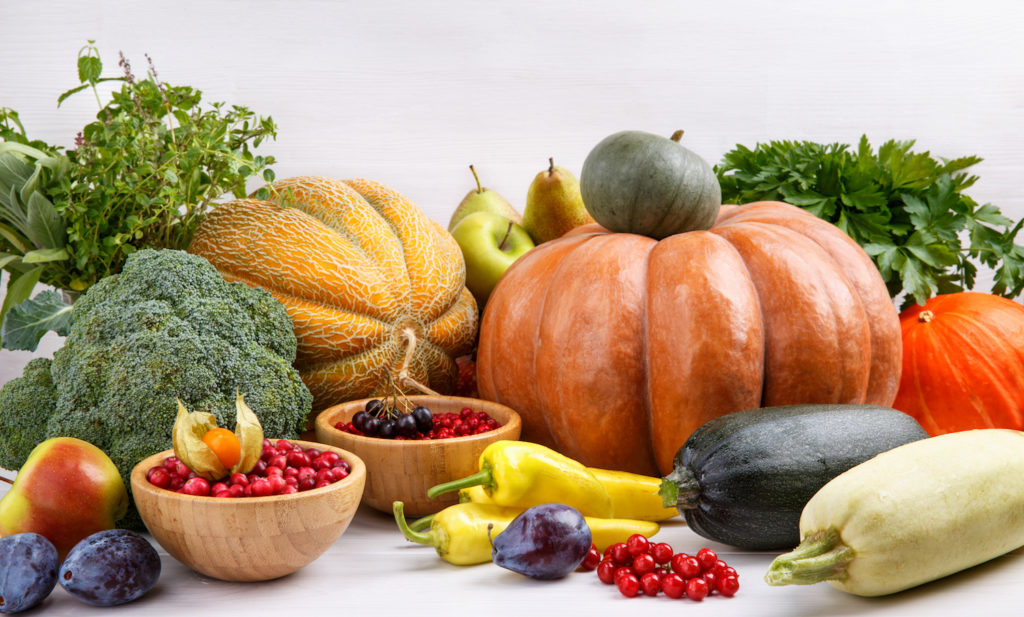
The beauty of autumn lies not only in the colors of the trees but also in the health benefits brought by the seasonal produce.
Autumn fruits and vegetables are rich in nutrients that help the body fight against seasonal colds and viruses while also addressing other ailments that may worsen in autumn due to a weakened immune system.
We have no excuse not to eat balanced and adopt a healthy diet, with the help of the most delicious and nutritious seasonal fruits and vegetables!
Apples
Apples are available all year round, but autumn is the only time we can enjoy them freshly picked and truly savor their authentic taste.
Sweet and juicy apples are packed with antioxidants that strengthen the immune system and help protect us from autumn-specific ailments.
They are rich in vitamin C, which helps the body fight against external factors, ensuring strong immunity.
When consumed with the skin, apples become a source of fiber, which, along with pectin (found in all autumn fruits with edible skins), lowers cholesterol levels and fights against intestinal bacteria.
Moreover, most of the nutrients and vitamins are found in the apple’s skin, so next time, don’t peel the apple before consuming it.
Pears
Sweet and juicy, pears are among the tastiest autumn fruits. They are rich in vitamins and antioxidants that strengthen the immune system and alleviate fever and sore throat associated with seasonal colds.
It is preferable to consume pears with the skin, as it contains four times more phytonutrients than the pulp, contributing to the proper functioning of the heart and nervous system.
One pear provides 22% of the daily fiber intake necessary for the normal functioning of the digestive tract.
Grapes
One of the most beloved autumn fruits, which we can enjoy until December, is grapes. Grapes, especially black ones, contain phytonutrients and flavonoids that reduce cholesterol levels and improve cognitive functions.
The health benefits of grapes don’t stop there. These fruits help protect the cardiovascular system, contribute to reducing inflammation in the body, improve vision, and protect the joints.
Plums
Plums should be consumed as often as possible in the cold season, as they contain some of the highest levels of antioxidants and are an important source of vitamins A, C, and K, potassium, and fiber.
These fruits strengthen the immune system, detoxify the body, and regulate blood pressure due to their high potassium content.
Plums stimulate memory, prevent heart diseases, are very low in fat, are beneficial for bones, combat anemia, and help prevent various types of cancer. Additionally, as we know, plums help prevent and treat constipation. They stimulate intestinal transit and have a laxative effect.
Quinces
Quinces not only protect us from colds but also prevent anemia and stimulate appetite. Quinces are fat-free, very low in sodium, and contain a significant amount of vitamin C, thus strengthening immunity.
Quince is considered a natural remedy against colds, and an infusion of quince peels and leaves, combined with honey, soothes coughs and alleviates throat inflammation, which is quite common in the cold season.
Pumpkin
Pumpkin is rich in beta-carotene and has anti-inflammatory and antioxidant properties. Although it is low in calories, pumpkin is abundant in fiber, minerals, and vitamins, making it recommended in the diet for cholesterol control and weight management.
Pumpkin seeds are also a true treasure for health, being rich in Omega-3 fatty acids, which ensure proper heart function, zinc, iron, and vitamins B2, B6, and E.
As they are a great source of amino acids, pumpkin seeds reduce stress, nervousness, and sleep disorders. To retain their benefits, pumpkin seeds should be consumed raw.
Bell peppers and sweet peppers
Both bell peppers and sweet peppers are rich in vitamin C and minerals (iron, copper, zinc, magnesium, and potassium) and are low in calories. They stimulate metabolism and have antibacterial, anticancer, and analgesic properties due to their capsaicin content.
Sweet peppers contain lutein, which protects the eyes from cataracts, and vitamins B6, B2, and B3, which contribute to the metabolism of food and its conversion into nutrients.
Because it reduces bad cholesterol, bell peppers are recommended for individuals with cardiovascular issues. Red bell peppers (kapia) contain the highest amount of vitamin C among all pepper varieties, stimulate immunity, and ensure proper digestive system function.
Cauliflower
Cauliflower is the most valuable vegetable in the cruciferous family. It has anti-inflammatory and antioxidant properties and protects the body against cardiovascular diseases and strokes.
Additionally, cauliflower contains calcium, phosphorus, vitamin K, folic acid, vitamin C, and especially fiber, which protects the digestive system and prevents the growth of bacteria such as Helicobacter pylori.
Cauliflower should be consumed as often as possible, preferably raw, so it does not lose its properties.
Cabbage
Cabbage is a powerful natural antioxidant that protects us from colds and other respiratory infections.
It is rich in vitamins, minerals, and phytonutrients that significantly contribute to maintaining health during the cold season, as well as regulating body weight, being very low in calories.
Cabbage inhibits the development of cancer tumors and stops inflammation in the body due to its glutamine content, a powerful anti-inflammatory agent.
Beets
The optimal time for harvesting beets is autumn when we can fully enjoy their well-known properties.
Beets are one of the most beneficial vegetables for the body, being rich in antioxidants and nitrates, which improve blood circulation, preventing blood clots and cholesterol deposits in blood vessels.
Beets are a natural energizer due to their high content of vitamins B and C, magnesium, iron, and potassium. They also improve liver function, helping it break down stored fats and detoxify the body.
Beets contain betalain, a powerful antioxidant that helps prevent cancer, chronic infections, inflammatory bowel diseases, and cardiovascular conditions.
Sweet potatoes
In autumn, we can fully enjoy the sweet and creamy taste of sweet potatoes. Sweet potatoes contain healthy carbohydrates that can regulate blood sugar levels. Because they have a low glycemic index, these vegetables can help prevent blood sugar spikes.
Sweet potatoes are a rich source of fiber, which stimulates metabolism and reduces the risk of obesity. When consumed with the skin, they help alleviate constipation, protecting the digestive tract.
Conclusions
Autumn fruits and vegetables ensure robust health throughout the cold season. They are nutritious and contain all the vitamins and minerals our body needs to cope with the most common ailments specific to this season.




