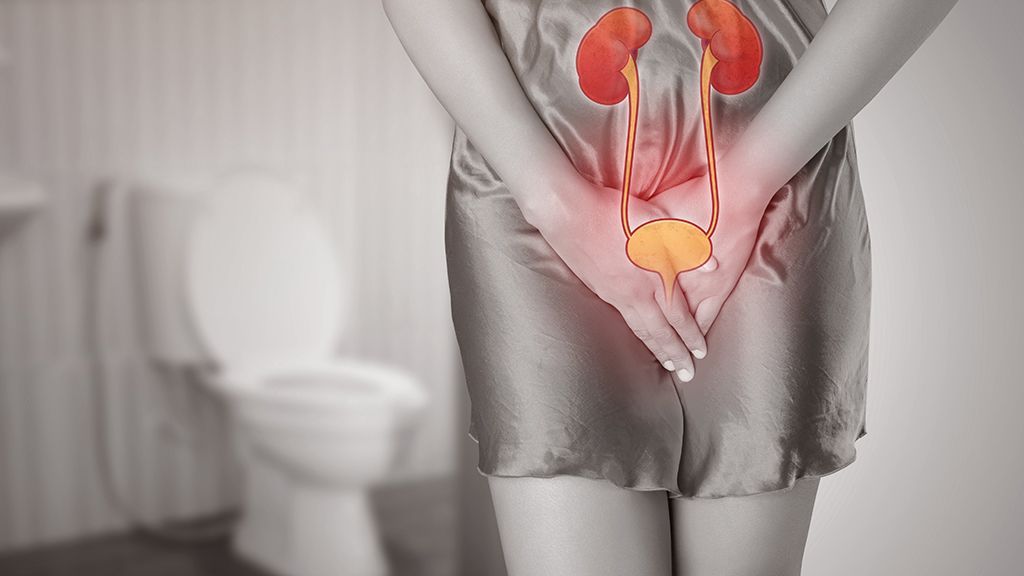
According to the National Kidney and Urologic Diseases and Information Clearinghouse, urinary tract diseases are the second most common infection in the body. Urinary tract infections (UTIs) account for approximately 8.3 million doctor visits each year.
The urinary system consists of the kidneys, ureters, bladder, and urethra, but the key elements of this system are the kidneys, a pair of brown-purple, bean-shaped filtering organs located under the ribs in the middle of the back.
The purpose of the kidneys is to remove excess fluid and waste from the blood, which are expelled in urine. This helps maintain a stable balance of salts and other substances in the blood and produces a hormone that aids in the formation of red blood cells.
Narrow tubes called ureters transport urine from the kidneys to the bladder, an organ similar to a sac in the lower abdomen. Urine is stored in the bladder and emptied through the urethra.
Causes and Risk Factors
Urinary tract infections can result from a variety of factors, including sexually transmitted diseases. Microorganisms can cause UTIs in both men and women.
Normally, urine is sterile and free of bacteria, viruses, and fungi, but it contains liquids, salts, and waste. An infection occurs in the urinary system when tiny organisms, usually bacteria from the digestive tract, attach to the opening of the urethra (the tube that transports urine from the bladder to the outside of the body) and begin to multiply.
Health authorities state that most urinary tract infections come from a type of bacteria, Escherichia coli (E. coli), which normally resides in the colon.
However, in many cases, bacteria first colonize in the urethra, and when the bacteria multiply, an infection occurs, such as urethritis, an infection limited to the urethra.
Now, when bacteria move to the bladder and multiply, cystitis (a bladder infection) occurs, and when the infection is not treated promptly, bacteria can travel further up the ureter to multiply and infect the kidneys, resulting in pyelonephritis, commonly known as a kidney infection.
Symptoms
Common symptoms of UTIs include:
Increased frequency of urination
Pain or discomfort during urination
Blood in urine
Fever
Pain or discomfort in the lower back (where the kidneys are located)
Urine that is dark or cloudy
Healing Urinary Infections Naturally
A mostly raw and vegan diet is always the best when it comes to healing or even just maintaining health and optimal well-being. Natural foods should always be organic.
Completely eliminate (if possible) all meats and dairy products, eggs, refined grains, refined starch, sugar, salt, alcoholic beverages, carbonated drinks (such as soda), junk food (including fast food), etc.
These items are all acid-inducing foods. They decrease the natural alkalinity of the body and promote illness. Acid-inducing foods are impure, rotten, or dead and generally produce feelings of heaviness and lethargy.
When healing from urinary tract infections or any issue with the urinary system, drink alkaline water (which will counteract the over-acidification of the tract and urinary system).
There are many herbs that can be used to heal urinary tract infections specifically and the urinary system in general. Plants that have an affinity for the urinary tract in general and the kidneys specifically are called diuretic and nephritic herbs. Diuretic and nephritic plants (such as those listed above) are urinary antiseptics.
These herbs include:
Uva Ursi
Corn Silk
Gravel Root
Chanca Piedra
Plantain
Five-finger Grass
Juniper Berries
Parsley Leaf
Celery Seeds
Horsetail
Nettle and
Devil’s Claw
Regardless of the urinary system disease—cystitis, nephritis, urethritis, kidney stones, bladder stones, bladder cancer and/or kidney cancer, renal failure, uremia, urinary incontinence, ureteritis—these plants can be very helpful in the healing process.
Urinary tract infections are 100% reversible and you should not take toxic artificial antibiotics that can suppress the urinary tract infection and, instead, cause you to deal with yeast infection, as antibiotics disrupt the yeast infection in the body.




