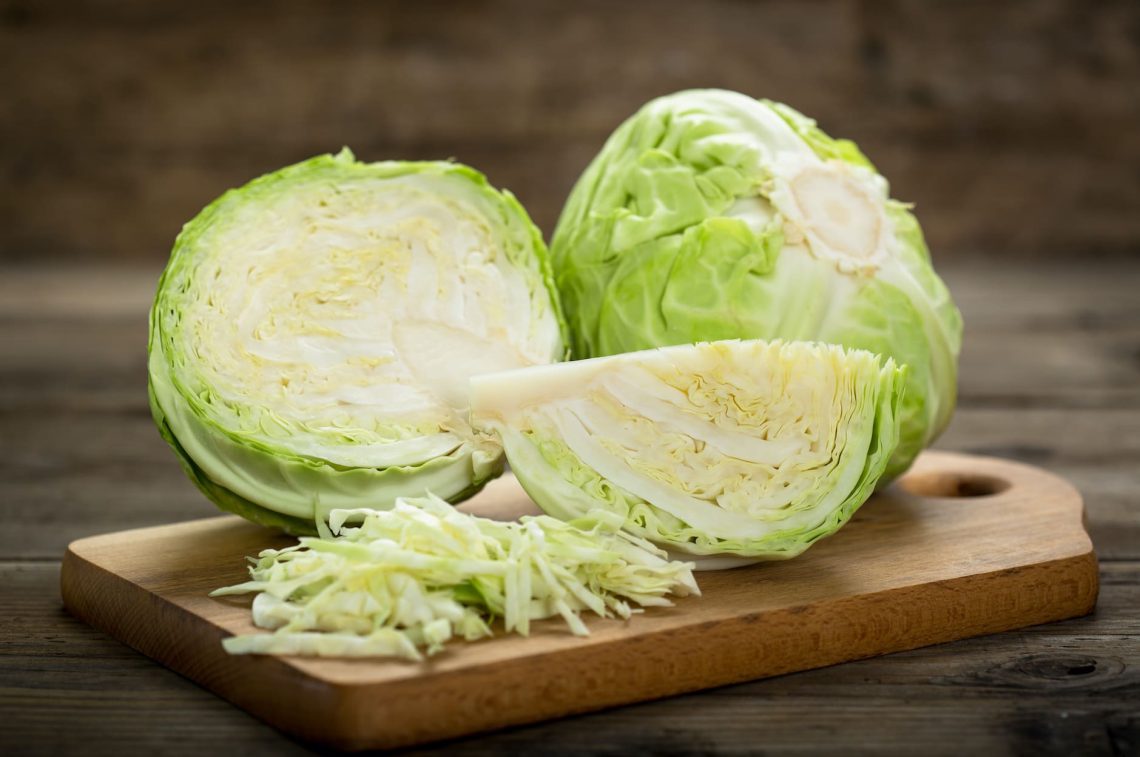
Cabbage is an extraordinary vegetable for health with an impressive nutritional profile.
Here’s what it contains:
Vitamin C:
Cabbage is rich in vitamin C, which is a powerful antioxidant that helps protect cells against oxidative stress and supports the immune system.
Vitamin K:
This vitamin is important for blood clotting and bone health.
Vitamin A:
Cabbage contains vitamin A in the form of beta-carotene, which is essential for eye and skin health.
Vitamin B6:
Contributes to the normal functioning of the nervous system and protein metabolism.
Folic acid:
It is especially important for pregnant women or those intending to become pregnant, as it helps prevent congenital defects in the fetus.
Minerals:
Cabbage contains minerals such as calcium, potassium, magnesium, and phosphorus, which are essential for bone, muscle, and cardiovascular health.
Fiber:
It is a good source of dietary fiber, which helps maintain a healthy digestive system and manage body weight.
Phytonutrients:
Cabbage contains phytonutrients, such as sulforaphane, which have been associated with antioxidant effects and potential anticancer properties.
It is important to consume cabbage as part of a balanced diet to benefit from these nutrients. It can be cooked in various ways, including boiled or used in salads or stews.
Consuming cabbage can bring numerous health benefits. Here are some of them:
1. Stronger immune system:
Cabbage is rich in vitamin C, which can support the immune system and help the body fight infections.
2. Bone health:
The vitamin K in cabbage is essential for bone health, contributing to the proper absorption of calcium in bones.
3. Heart health:
The fiber in cabbage can help maintain cholesterol levels within normal limits, thus reducing the risk of heart disease.
4. Weight control:
Cabbage is low in calories and high in fiber, which can contribute to a feeling of fullness and weight control.
5. Healthy digestion:
The fiber in cabbage helps maintain a healthy digestive system and prevents constipation.
6. Potential anticancer properties:
Cabbage contains phytonutrients like sulforaphane, which have been associated with the potential to reduce cancer risk.
7. Skin health:
The vitamin A in cabbage can contribute to maintaining skin health and reducing skin problems.
8. Diabetes control:
Regular consumption of cabbage can help keep blood sugar levels under control, due to its fiber content and slow-releasing carbohydrates.
9. Antioxidants:
Cabbage contains a variety of antioxidants, such as flavonoids and sulfur compounds, which can help combat oxidative stress in the body.
10. Anti-inflammatory:
Consuming cabbage may have anti-inflammatory effects due to its compounds and phytochemicals, which can be useful in managing inflammatory conditions.
11. Detoxification:
Cabbage contains sulforaphane, which stimulates the activity of detoxifying enzymes in the liver, helping the body eliminate toxins.
12. Eye health:
The vitamin A in cabbage is important for eye health and can help maintain good vision.
13. Skin health:
Along with vitamin A, the vitamin C in cabbage can contribute to maintaining skin health and preventing premature aging.
14. Blood pressure regulation:
The potassium in cabbage can help maintain blood pressure within normal limits and reduce the risk of hypertension.
15. Healthy digestion:
Cabbage is a good source of fiber, which supports the health of the digestive system by preventing constipation and promoting regularity.
16. Brain health:
Consuming cabbage can contribute to brain health due to its vitamin K content, which is important for normal brain function.
Regular consumption of cabbage as part of a balanced diet can contribute to improving overall health.




