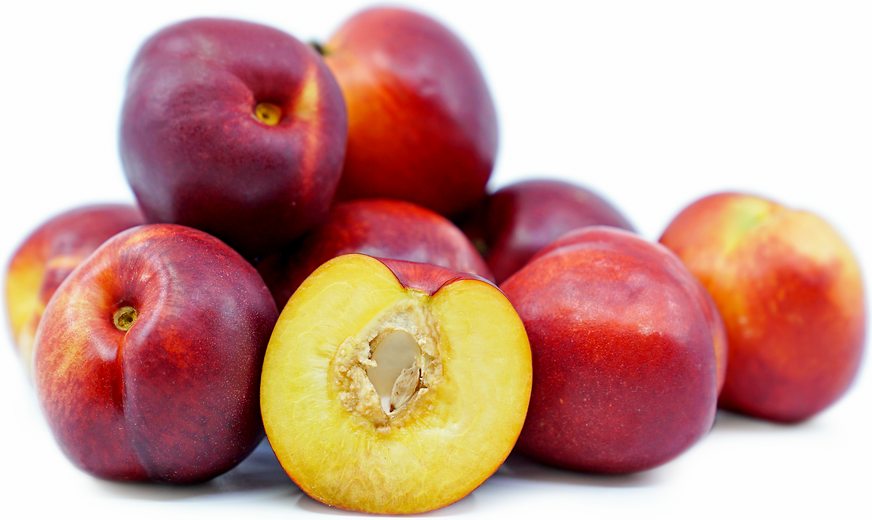
The benefits of nectarines include better cell function, improved cardiovascular and digestive health. The antioxidant defense mechanism of nectarines can prove effective in combating major conditions such as complications related to obesity, macular degeneration, and supporting cancer prevention. Nectarines are packed with nutrients that help strengthen the immune system, promote youthful skin, and are an excellent snack option during pregnancy.
Nectarines are a nutrient-rich fruit with low calorie content, providing a variety of healthy components to the body. They offer an impressive range of powerful antioxidants and phenolic compounds along with dietary fiber.
They contain vitamins A, B1, B2, B3, B6, C, E, K, folic acid, pantothenic acid, potassium, magnesium, and calcium.
Nectarines can be useful in cases of obesity and its associated complications. Research studies have shown that they contain bioactive compounds that have the potential to prevent conditions such as diabetes and heart disorders.
Nectarines contain lutein, an important nutrient that promotes eye health and helps reduce the risk of diseases such as age-related macular degeneration. Various studies have shown that lutein is a powerful antioxidant that helps reduce the risk of cataracts. Lutein is found in the macular pigment of the eye and helps protect retinal tissues from damage caused by oxidative stress and high-energy light. Additionally, the beta-carotene present in the fruit encourages the synthesis of vitamin A and contributes to maintaining healthy vision, preventing eye diseases.
Nectarines contain potassium, essential for proper cellular nerve function. Potassium helps with protein synthesis, muscle function, maintains electrolyte balance, and optimally utilizes carbohydrates while supporting metabolic processes. A deficiency of potassium in the body can lead to disorders such as muscle health degradation and can cause cardiac arrhythmia.
Regular consumption of nectarines helps maintain cardiovascular health, due to their powerful antioxidants. Flavonoids help reduce the risk of atherosclerosis.
Nectarines contain chlorogenic acid, a natural compound with multiple health benefits, including the prevention of various forms of cancer. Studies have shown that this acid has chemopreventive properties that inhibit the proliferation of carcinogenesis.
They strengthen the immune system. The abundance of antioxidants, zinc, and other protective phenolic components enhances the body’s ability to fight against various infections by promoting antibody synthesis.
The presence of dietary fiber and the alkaline nature of nectarines make them a perfect ally for maintaining digestive health. The fibers present in nectarines absorb water, regulate intestinal movements, and prevent issues such as gastritis, constipation, or ulcers. They also eliminate toxins from the body.
Nectarines contain phosphorus, an essential mineral that plays an important role in the normal functioning of cells and tissues. Phosphorus helps in the formation of teeth and maintains strong bones, promoting the metabolism of carbohydrates and fats.
They are beneficial for pregnant women due to their folate content, which helps reduce the risk of neural tube defects, as well as for the overall health of both mother and child.
Attention! There are individuals allergic to these fruits. Allergic reactions manifest as itching of the nose, lips, and painless swelling of the lips and tongue. In severe cases, it can lead to breathing difficulties. Caution is also advised for cases of fermentation colitis, acute or chronic diarrhea, and hyperacid gastritis, to avoid exacerbating these digestive disorders.




