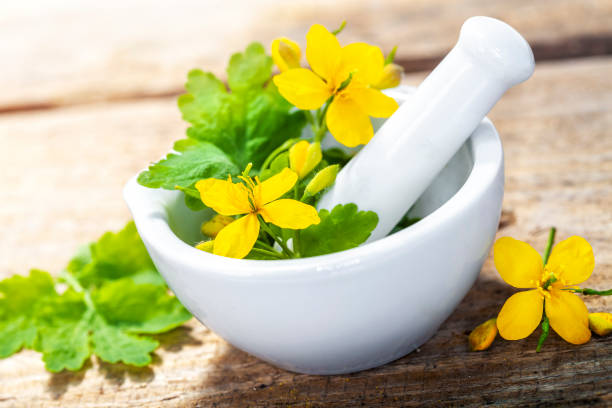
Greater celandine (Chelidonium majus) is a perennial medicinal plant commonly found in Europe and Asia. It contains a variety of active chemical compounds, including alkaloids, flavonoids, tannins, and volatile oils.
The main beneficial components of this medicinal plant are alkaloids, such as chelidonine and sanguinarine. Greater celandine is traditionally used in herbal medicine for various ailments, including liver conditions, gastrointestinal issues, and skin disorders.
Benefits of Greater Celandine:
1. Liver Protection:
Greater celandine may have beneficial effects on liver health. The active substances in the plant can help stimulate liver function and detoxify the liver.
2. Digestive Stimulation:
Greater celandine is traditionally used to support the functioning of the digestive system. It is believed to help reduce gastric discomfort, stimulate bile secretion, and alleviate symptoms associated with digestive disorders.
3. Antispasmodic Properties:
The plant is known for its antispasmodic properties, which can help calm muscle spasms and excessive contractions of internal organs.
4. Antiviral and Antibacterial Effects:
Some preliminary research suggests that greater celandine may have antiviral and antibacterial activity. However, further research is needed to confirm and fully understand these effects.
How to Use Greater Celandine?
There are several ways to use greater celandine to benefit from its properties. Here are a few examples:
Greater Celandine Tea:
You can prepare a tea using dried leaves or stems of the plant. To make the tea, add a tablespoon of dried leaves or stems to a cup of boiling water. Let the mixture steep for 10-15 minutes, then strain and consume the greater celandine tea. It is recommended not to exceed 2 cups per day and not to consume greater celandine tea for an extended period without the recommendation of a specialist.
Greater Celandine Tincture:
Another option is to use a greater celandine tincture. The tincture is obtained by macerating the plant in alcohol or a mixture of alcohol and water. It is important to follow the dosage instructions and dilution indicated on the label or consult a specialist for precise advice on using the greater celandine tincture.
Greater Celandine Cream:
Ingredients:
1 part greater celandine powder (dried and finely ground plant)
4 parts base oil (e.g., olive oil or sweet almond oil)
1 part beeswax (to give consistency to the ointment)
Optional: essential oils (to add fragrance or other benefits)
Preparation Method:
Start by obtaining greater celandine powder. This can be purchased or you can grind dried greater celandine leaves in a blender or mortar.
In a double boiler, melt the beeswax and base oil together until the beeswax is completely melted.
Add the greater celandine powder to the oil and wax mixture, stirring well to ensure an even distribution of the plant.
Optionally, you can add a few drops of essential oil, such as lavender oil or tea tree oil, to add antibacterial properties or pleasant aromas. Make sure to choose essential oils suitable for external use and follow the recommended dosages.
Transfer the obtained ointment into sterilized glass or plastic containers and let it cool and solidify completely.
Usage:
To use the greater celandine ointment, apply a small amount to the affected area of the skin. It can be used for minor skin conditions, such as irritations, eczema, rashes, or warts. However, it is important not to apply the ointment to open or wounded skin and not to use it near the eyes or on mucous membranes.
The greater celandine cream may have several benefits for the skin and for certain skin conditions. Here are some potential benefits associated with using greater celandine cream:
Anti-inflammatory Properties:
Greater celandine contains compounds with anti-inflammatory properties that can help reduce inflammation and skin irritation. Therefore, greater celandine cream can be used to soothe and alleviate symptoms associated with inflammatory skin conditions, such as eczema or dermatitis.
Healing Action:
Greater celandine may contribute to the healing and regeneration of skin tissue due to its healing properties. Therefore, greater celandine cream can be used to support the healing process of wounds, minor burns, or other superficial skin injuries.
Antiviral and Antifungal Effects:
Some studies suggest that greater celandine may have antiviral and antifungal activity. Thus, greater celandine cream can be used to help combat minor viral or fungal skin infections, such as herpes or Candida infections.
Antipruritic Properties:
Greater celandine cream may help reduce itching and discomfort associated with certain skin conditions, such as eczema or allergic dermatitis.
Caution:
Greater celandine may have some contraindications and precautions associated with its use. Here are a few of them:
Sensitivity or Allergy:
Some individuals may experience sensitivity or allergy to greater celandine or other plants in the Papaveraceae family. If you have a known sensitivity to plants in this family, it is recommended to avoid using greater celandine preparations.
Drug Interactions:
Greater celandine may interact with certain medications, including hepatotoxic drugs (which affect the liver) or medications metabolized by the liver. This can affect the activity of liver enzymes and modify the effects of medications. It is important to consult your doctor or a pharmacist to check for interactions with the medications you are taking.
Toxicity:
Greater celandine contains alkaloids that can be toxic in high doses or with prolonged use. Used in excess or for a long period, greater celandine can cause adverse effects on the liver and can be toxic to the body. It is important to follow the recommended dosages and not to use greater celandine for an extended period without the recommendation of a specialist.
Pregnancy and Breastfeeding:
The use of this plant is not recommended during pregnancy and breastfeeding, as there are not enough studies to confirm the safety of its use during these periods.
Children:
Greater celandine is not recommended for children, as its safety and efficacy have not been sufficiently studied in this age group.




