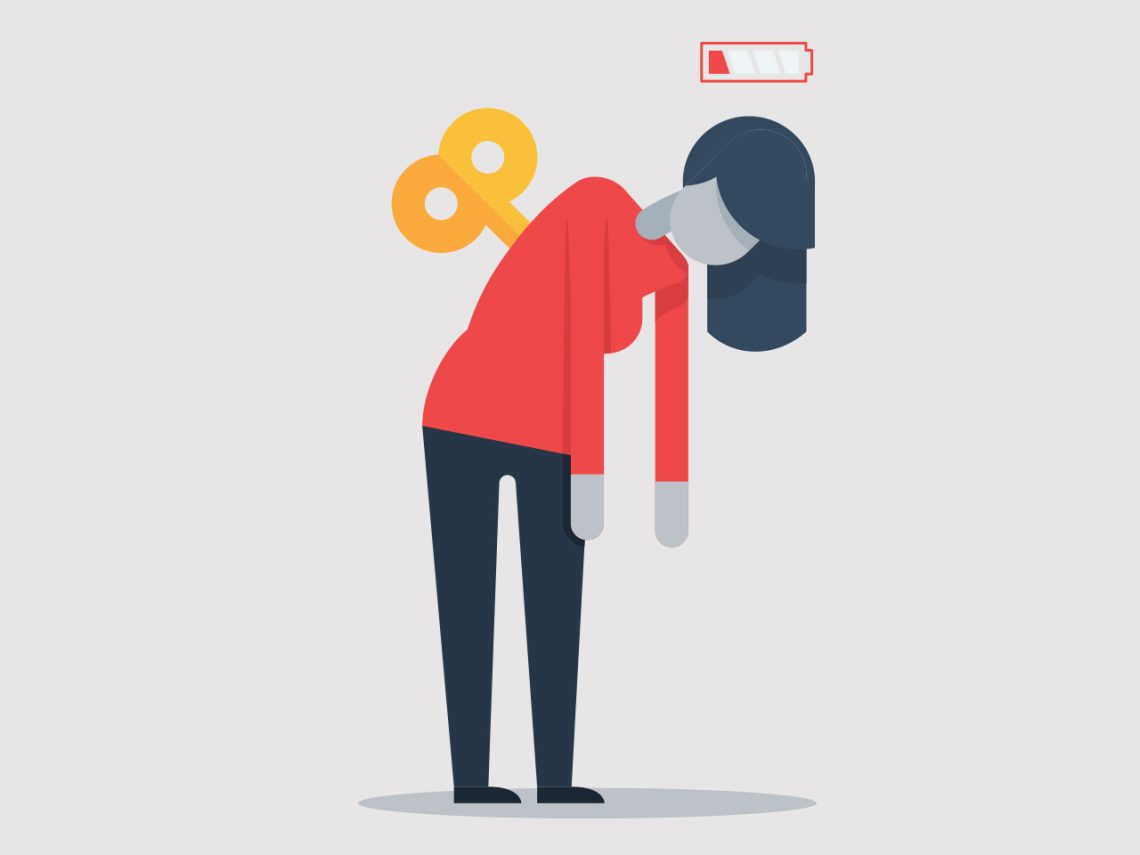
Do you often wonder why you feel so tired no matter how much you sleep? A good night’s sleep is important for optimal energy levels, but the issue may not always be sleep. If you constantly struggle to maintain your energy, factors such as diet, hormonal balance, physical activity, and the amount of mental stress in your life are all relevant factors to consider.
All of these can influence your hormonal levels in one way or another, leaving you feeling exhausted. You may also feel tired after eating, and believe it or not, excessive sleep can also lead to fatigue.
Fortunately, there are plenty of lifestyle changes you can implement to combat fatigue and regain your energy. If you are always tired, it is important to make sleep a priority.
If you reach that threshold of eight hours and still feel exhausted, low energy levels may be an indicator of an underlying problem.
1. Thyroid Disease
Twenty million Americans suffer from thyroid disease, and 60% of these individuals are unaware of it, according to the American Thyroid Association. Thyroid disease poses a particular threat to women and older adults.
Thyroid disease can cause a wide variety of symptoms, including:
- fatigue
- malaise
- muscle and joint pain
- weight gain or loss
- vision problems
- changes in body temperature
- changes in appetite
A thyroid disorder can manifest in many different forms, as the thyroid gland is considered a major gland that secretes hormones that affect almost every bodily function in one way or another. For example, the thyroid gland is responsible for regulating body temperature, heart rate, protein production, and also helps control metabolic rate and energy levels.
Causes of thyroid disease:
It is believed that there are four main causes contributing to thyroid diseases, which may be why you feel constantly tired:
- Hormonal imbalances caused by stress and diet
- Food intolerances
- Exposure to radiation and toxicity
- A nutritional deficiency in iodine or selenium
Natural remedies for thyroid diseases:
A thyroid disease can make you feel sluggish. Here are some ways you can help with recovery:
- Avoid gluten and most dairy (especially A1 casein).
- Avoid toxins and heavy metals like BPA (Bisphenol A) found in plastic bottles and aluminum cans.
- Check your iodine and selenium levels and then include more food sources of both or take supplements if necessary.
- Detox your body from heavy metals using products like milk thistle, turmeric, chlorella, and cilantro, and consider removing metal fillings from your teeth.
- Consume adaptogenic herbs and superfoods like maca powder, ashwagandha, and tulsi.
- Adjust your diet to have a lower carbohydrate intake but include plenty of lean proteins and healthy fat sources (especially foods like coconut oil, coconut milk, avocado, grass-fed beef, wild-caught fish, chia seeds, flaxseeds, and hemp seeds).
2. Adrenal Fatigue or Chronic Fatigue Syndrome
It is believed that adrenal fatigue affects most adults worldwide at some point and is caused by a hormonal imbalance, similar to how thyroid disease develops. The adrenal glands are extremely important endocrine glands that release more than 50 different hormones, including the energy-regulating hormones cortisol and adrenaline.
Chronic fatigue syndrome causes symptoms similar to adrenal fatigue and is believed to affect up to 2.5 million people in the U.S. each year. Women are four times more likely to be affected, especially those aged 40 to 50.
Symptoms of chronic fatigue syndrome and adrenal fatigue are similar and include:
- fatigue that does not go away even after a good night’s sleep
- difficulties falling asleep
- muscle and joint pain
- stiffness
- headaches
- frequent illness, such as sore throat, colds, or flu-like symptoms
- weight gain
- digestive issues, such as constipation or cramps
- difficulties concentrating and remembering things clearly
These key hormones rise and fall depending on the amount of stress placed on your body. As a result, high stress levels and symptoms of adrenal fatigue are closely related.
Causes of adrenal fatigue:
When you have a high amount of stress due to emotional, physical, and mental circumstances—which is common for almost all adults in our modern society—your adrenal glands can suffer, and fatigue can set in. There are many potential causes, such as:
- stressful family events
- environmental toxins and pollution
- chronic stress due to financial situations or an unfavorable work environment
- emotional trauma and abuse
- lack of sleep
- substance and alcohol abuse
- poor diet
Natural remedies for adrenal and chronic fatigue:
What can you do to resolve adrenal fatigue or chronic fatigue for good?
- Change your diet by avoiding caffeine, excess sugar and carbohydrates, hydrogenated oils, and processed and packaged foods. Instead, consume healthy fats, proteins, and plenty of fresh vegetables to balance hormones.
- Adaptogenic herbs can also be extremely helpful for adrenal and chronic fatigue. Medical studies have shown that adaptogens—natural plants that help balance hormones and reduce the body’s stress response—can help improve cortisol levels, insulin sensitivity, and lead to better energy. Try adaptogens like ashwagandha, holy basil, and maca root, along with nutrients like omega-3 fatty acids, magnesium, vitamin B5, vitamin B12, vitamin C, vitamin D3, and zinc.
- Limit stress by engaging in regular healthy exercise, getting plenty of sleep, and practicing various relaxation techniques such as reading, journaling, praying, and any other activities that work for you.
3. Sedentary Lifestyle
Many people develop a sedentary lifestyle. Sitting all day is very detrimental to your body and often causes pain, stiffness, chronic back pain, and headaches—plus such a lack of movement leads to fatigue.
Your body was made to move, so when you don’t engage in regular activities, you may experience mood issues, fatigue, and weight gain.
What causes a sedentary lifestyle:
- office work
- lack of movement
- back problems
- chronic pain
- being used to sitting
- lack of motivation
Regular exercise can help balance hormones, improve insulin resistance, and help you sleep better, all of which are important for combating lack of energy. Exercise works wonders for the body by releasing endorphins, increasing stamina and mood. (Of course, it can also add more muscle tone to your body while burning unhealthy fats.)
One of the biggest advantages of being more active? It helps many people regulate hormonal patterns that allow them to sleep better at night.
While it may seem difficult to start exercising when you are always tired, long-term exercise will result in better hormonal balance and prolonged energy as you get used to this routine.
4. Depression
Depression is one of the most common mental disorders.
Causes of depression:
Depression is believed to be caused by various factors, such as:
- high stress
- unresolved emotional issues
- neurotransmitter imbalances
- hormonal imbalances
- alcohol
- nutritional deficiencies
- lack of sunlight
- heavy metal toxicity
Natural remedies for depression:
Two of the biggest and most difficult symptoms to treat regarding depression are lack of energy and low motivation. Fortunately, changes in your diet can really help alleviate depression. This is because foods can significantly affect mood through the actions of neurotransmitters in our brain.
Follow an anti-depression diet to start increasing your ability to produce happiness hormones:
- Dramatically reduce your intake of processed and refined foods, fast foods, foods high in sugar, large amounts of simple carbohydrates, caffeine, and alcohol.
- Replace these foods with proteins, raw vegetables, and healthy fats like omega-3 fatty acids.
- Also, include exercise, relaxation techniques, and essential oils in your daily routine. Essential oils are a completely natural and effective way to boost mood.
- Try essential oils like rose, bergamot, lavender, Roman chamomile, and ylang-ylang, which have been shown to help improve the mood of many people suffering from depression and anxiety.
5. Poor Quality Sleep
Most adults need 7-9 hours of sleep consistently every night to feel their best.
Causes:
- diet
- stress
- delaying bedtime
- alcohol consumption
- certain medications or supplements
- mood disorders or hormonal imbalances
- trauma or abuse
- adrenal fatigue
- pain
There is such a range of reasons why you may not be getting enough sleep or quality sleep. However, it is important, if you want long-term well-being for yourself and your family, to actively follow healthy sleep habits.
Studies on sleep deprivation have repeatedly shown a negative impact on mood, cognitive performance, and motor function, researchers from the Department of Neurology at Emory University School of Medicine state.
While it is no surprise that you need to sleep to avoid fatigue, you might be surprised to hear how just a small amount of sleep deprivation over time can accumulate and affect your health and mood.
A clinical study conducted by the University of Pennsylvania School of Medicine found that restricting sleep periods (sleeping between 4 and 6 hours a night over a 14-day period) led to significant cumulative deficits in cognitive performance in all participants in the study.
The study concluded that chronic sleep restriction to six hours or less per night produced cognitive performance deficits equivalent to up to two nights of total sleep deprivation. It seems that even relatively moderate sleep restriction can seriously affect neuro-behavioral functions in healthy adults.
Natural ways to fall asleep quickly:
- Practice relaxation techniques that help you unwind and fall asleep, such as journaling or reading.
- Take an Epsom salt bath to soothe muscles and relax your mind.
- Take magnesium supplements, which promote relaxation and relieve muscle pain.
- Use essential oils like lavender or chamomile.
- Avoid heavy meals high in sugar and carbohydrates before bedtime.
- Limit caffeine.
- Turn off all electronic devices two hours or more before bedtime to avoid exposure to blue light, which can disrupt melatonin levels.
6. Anemia
Anemia is a condition in which a person has a lower than normal level of red blood cells. Anemia is related to a low amount of oxygen reaching cells and tissues throughout the body.
Symptoms of anemia include:
- fatigue
- weak bones and muscles
- dizziness
- lack of concentration
Causes of anemia:
Anemia occurs when there is a problem with red blood cells that produce hemoglobin, a protein that transports oxygen throughout the body, especially to the brain, where it is critically needed.
It is related to insufficient iron levels in the blood, along with low levels of vitamin B12 and folate.
Anemia can also be caused by blood loss or a diet that is too low in these essential nutrients, thus hindering the body’s ability to produce enough hemoglobin.
Natural remedies for anemia:
The symptoms of anemia can be significantly reduced by improving your diet and including many foods that are rich in iron, vitamin B12, and folate. These include:
- Liver (beef, chicken, etc.) which is extremely rich in iron and B vitamins.
- Blackstrap molasses, which is a healthy natural sweetener rich in iron.
- Nutritional yeast, which is loaded with B vitamins and has a cheese-like flavor but actually contains no dairy.
- Foods rich in vitamin C that help with iron absorption, such as citrus fruits and cruciferous vegetables like broccoli or cauliflower.
- Leafy green vegetables that have a significant amount of iron and folic acid.




