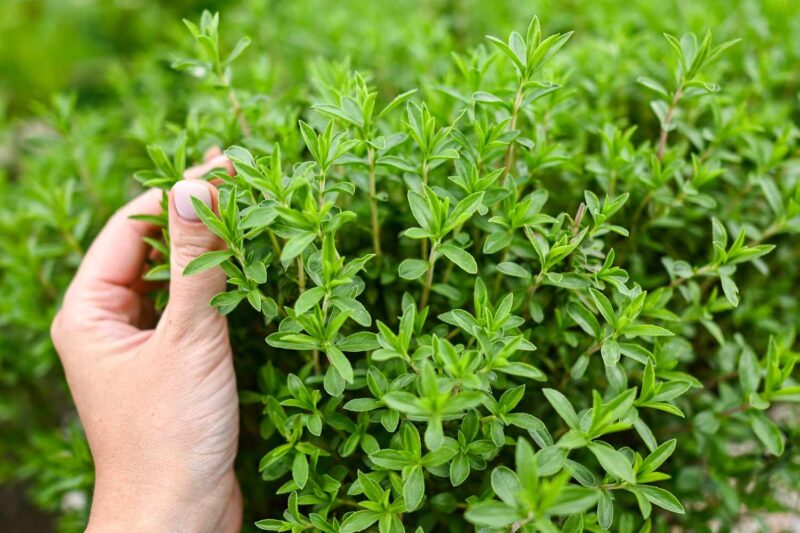
Thyme (Thymus vulgaris) is one of the most powerful medicinal plants with beneficial effects on the respiratory system. Used since ancient times in teas, syrups, and inhalations, it is now confirmed by numerous scientific studies to have expectorant, antibacterial, and soothing effects for coughs. In the following lines, you will discover the complete recipe for a thyme remedy that, according to research and testimonies, can alleviate even the most persistent episodes of cough in just a few days.
Traditional Thyme Recipe for Cough
Ingredients:
-
1 tablespoon of dried thyme (or 2 tablespoons of fresh leaves)
-
250 ml boiling water
-
1 tablespoon of natural honey (optional, but recommended)
-
2 thin slices of lemon (for an extra antimicrobial effect)
Preparation method:
-
Pour boiling water over the thyme.
-
Cover the pot and let it steep for 10-15 minutes.
-
Strain and sweeten with honey.
-
Add the lemon slices and consume warm.
Drink 2-3 cups a day for 5 days.
How This Remedy Works
-
Eliminates mucus blocked in the respiratory tract Thyme contains thymol, a compound with expectorant effects that helps to thin bronchial secretions and promotes their elimination through coughing.
-
Reduces throat and bronchial inflammation The essential oils in thyme soothe the irritated mucosa and reduce the sensation of burning and dryness in the throat.
-
Has antibacterial and antiviral effects Research has shown that thymol and carvacrol act against the bacteria and viruses responsible for respiratory infections.
-
Soothes nighttime coughing fits Thyme tea relaxes the muscles of the respiratory tract and reduces spasms.
-
Boosts immunity The combination with honey and lemon provides an additional supply of vitamin C and antioxidants, which helps the body fight infection.
Scientific Studies and Research
-
A study published in Deutsche Apotheker Zeitung showed that thyme extract, in combination with primrose, reduces the intensity and frequency of cough in patients with acute bronchitis, with results appearing even after 4-5 days of administration.
-
Another study published in Journal of Ethnopharmacology confirmed the antimicrobial properties of thymol, demonstrating that it inhibits the growth of respiratory bacteria such as Streptococcus pneumoniae and Haemophilus influenzae.
-
Clinical studies conducted in Germany showed that thyme tea and syrup can be as effective as some synthetic expectorant medications, but with fewer side effects.
-
An analysis from Phytotherapy Research highlighted that thymol and carvacrol act synergistically, having both bronchodilator and cough-soothing effects.
Contraindications and Precautions
-
Not recommended for individuals allergic to Lamiaceae (the family to which thyme belongs).
-
Pregnant women and those who are breastfeeding should consult a doctor before use.
-
Should not be taken in large quantities, as it may cause gastric irritation.
-
Children under 2 years old should not consume concentrated thyme infusion.
-
Individuals with thyroid diseases should consult a doctor, as thyme may influence hormonal levels.
Nutritional Table for Thyme (per 100 g of dried leaves)
| Nutrient | Approximate Amount |
|---|---|
| Energy | 276 kcal |
| Protein | 9 g |
| Carbohydrates | 63 g |
| Fiber | 37 g |
| Vitamin C | 160 mg |
| Iron | 124 mg |
| Calcium | 405 mg |
| Magnesium | 160 mg |
| Potassium | 814 mg |




