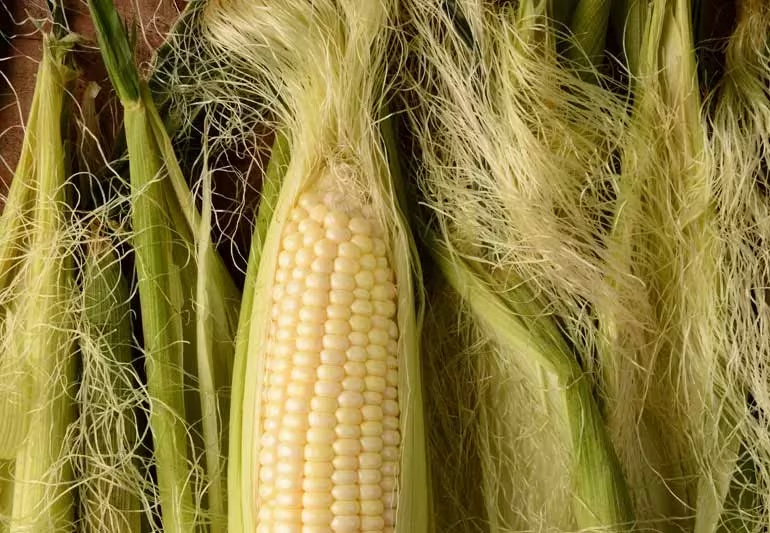
Corn silk, that silky thread that many throw away without knowing how valuable it is, has been used since ancient times in traditional medicine for treating kidney ailments. In particular, the decoction prepared from this part of the plant has been considered an effective remedy for dissolving and eliminating kidney stones. With a composition rich in mucilage, flavonoids, potassium salts, and vitamin K, corn silk acts as a natural diuretic, reducing inflammation and supporting the excretory function of the kidneys.
Benefits of Corn Silk Decoction
1. Helps eliminate kidney stones
The corn silk decoction is valued for its ability to stimulate urinary flow, thus contributing to the elimination of small stones from the kidneys. This property is due to the high content of potassium salts, which act as a natural diuretic, increasing urine volume. By intensifying urination, toxins and crystals that form stones are eliminated more quickly from the urinary tract. Additionally, the flavonoids and mucilage in corn silk have a soothing effect on the urinary epithelium irritated by stones. Used in courses of 7-14 days, the decoction can reduce the size of the stones and the associated discomfort.
2. Reduces inflammation of the urinary tract
Corn silk has anti-inflammatory effects on tissues affected by the presence of stones or infections. The flavonoids present in its composition act by inhibiting pro-inflammatory enzymes, reducing edema and irritation of the mucous membranes. Additionally, the mucilage forms a protective layer around the epithelium, reducing friction caused by stones. This alleviates pain and discomfort during urination. Studies have shown that inflammation significantly decreases after a few days of administering the decoction.
3. Supports the excretory function of the kidneys
Through its diuretic action, the corn silk decoction stimulates the elimination of excess water and nitrogenous waste, contributing to the effective detoxification of the body. It supports the efficient filtration of blood in the kidneys, preventing the accumulation of toxins. In cases of mild renal insufficiency, corn silk can be an effective adjunct, protecting the structure of the nephrons. Its gentle yet consistent effect makes this remedy suitable for longer courses, under medical supervision. In combination with proper hydration, the decoction helps maintain kidney health.
4. Alkalinizes urine and prevents the formation of new stones
Due to its mineral content, especially potassium and magnesium, corn silk helps regulate urinary pH. A slightly alkaline urinary environment reduces the risk of forming oxalate stones, the most common among the population. Alkalinizing the urine prevents the crystallization of mineral salts and facilitates the dissolution of existing ones. Thus, the remedy not only treats but also prevents recurrence. It is recommended to monitor urinary pH during the course to track effectiveness.
5. Relieves spasms and renal pain
During the elimination of stones, patients often experience painful renal colic. Corn silk, through its content of mucilage and flavonoids, acts as a natural antispasmodic. It reduces the contraction of smooth muscle along the ureters, facilitating the expulsion of stones. Additionally, it alleviates the feeling of pressure and tension in the lower back. Thus, the decoction can be used as a complementary remedy during renal crises, alongside intensive hydration.
Important Study: The Effect of Corn Silk on Kidney Stones
A study published in Journal of Ethnopharmacology investigated the diuretic and anti-urolithic activity of aqueous corn silk extract in animal models. Researchers administered the extract to rats exhibiting symptoms similar to experimentally induced kidney stones. The results showed a significant increase in urinary volume, accompanied by a decrease in calcium oxalate concentration in the urine.
The study revealed that daily administration of the extract over a period of 14 days reduced the formation of kidney stones by up to 47%. Additionally, the renal tissues exhibited fewer lesions compared to the control group, supporting the protective effect of corn silk. Serum creatinine and urea levels remained within normal limits, indicating that renal function was not negatively affected.
Alongside the diuretic effect, researchers observed a reduction in inflammatory and oxidative markers, indicating a significant antioxidant effect. Histological analysis demonstrated that the extract prevented nephron damage, and the overall evaluation showed good tolerance to administration. These results confirm the traditional use of corn silk in kidney treatments. The study suggests that the extract could be a viable natural alternative to conventional treatments, especially in the early stages of kidney stones.
Preparation Method: Corn Silk Decoction
Ingredients:
-
1 tablespoon of dried corn silk
-
250 ml of water
Preparation Method:
-
Place the corn silk in an enameled pot and add cold water.
-
Let it boil for 10 minutes over low heat.
-
Cover the pot and let it infuse for another 15 minutes.
-
Strain and consume warm, preferably between meals.
Recommended Administration:
12 cups per day, for 7-14 days. It can be repeated after a one-week break.
Contraindications and Precautions
-
Not recommended in cases of severe hypotension, as the diuretic effect may exacerbate the drop in blood pressure.
-
Pregnant or breastfeeding women should avoid consumption without medical advice.
-
May interact with diuretic or antihypertensive medications, increasing the risk of electrolyte imbalances.
-
Individuals with severe chronic renal insufficiency should consult a doctor before use.
-
Avoid using in large quantities or for long periods, as it may lead to potassium loss and dehydration.
Sources:
-
Journal of Ethnopharmacology Diuretic and antiurolithic activity of Zea mays (corn silk) in experimental models
-
Healthline: Corn Silk: Benefits, Uses, and Precautions
-
NCBI: Antioxidant and anti-inflammatory activity of corn silk extract
-
WebMD: Corn Silk Uses, Side Effects, and Warnings




