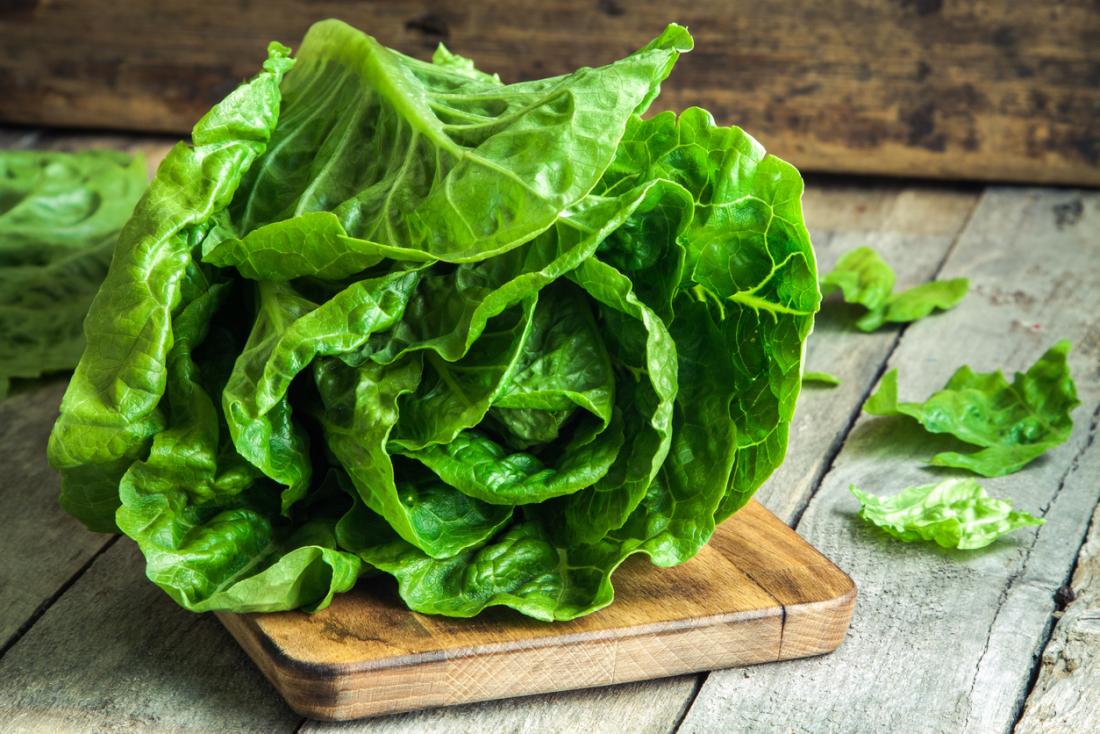
Green salad is a rich source of vitamins and has numerous impressive health benefits. It can help control inflammation, reduce body weight, promote brain health, and lower the risk of cardiovascular diseases.
Green salad is particularly rich in antioxidants such as vitamin C and other nutrients like vitamins A, K, and potassium. This leafy green vegetable helps combat inflammation and other associated diseases, such as diabetes and cancer.
1. May Fight Inflammation
Certain proteins in green salad, such as lipoxygenase, help combat inflammation. This has been scientifically proven. According to studies, green salad has been used in traditional medicine to alleviate inflammation and osteopenia (bone pain).
You can include two servings of raw leafy greens in your diet regularly. Other vegetables rich in vitamin K include kale, broccoli, spinach, and cabbage. The darker the salad, the more antioxidants it contains and the better it can fight inflammation.
2. May Aid in Weight Loss
One of the main reasons green salad can be an ideal food for weight loss is its low calorie content. A serving of green salad contains only 5 calories. Additionally, it helps reduce the micronutrient gap, which is otherwise hard to achieve with a low-calorie diet.
Green salad has a low energy density. This is especially true for romaine lettuce, which is 95% water and provides 1 gram of fiber per cup. Fiber keeps you full and discourages overeating. Darker varieties, such as romaine, have a higher nutrient content.
3. May Promote Brain Health
Extreme cases of brain impairment can lead to the death of neuronal cells, resulting in serious brain diseases such as Alzheimer’s. Extracts from green salad, according to numerous studies, have controlled this neuronal cell death due to their role in glucose/serum deprivation.
4. May Boost Heart Health
Salad is a good source of folic acid, a B vitamin that converts homocysteine into methionine. Unconverted homocysteine can damage blood vessels and lead to plaque buildup, thus harming the heart.
Green salad is rich in vitamin C, which reduces arterial stiffness and helps treat cardiovascular diseases. It supports artery health and may even prevent heart attacks. Including two servings of salad in your daily diet can help keep your heart healthy.
Green salad also contains potassium, which lowers blood pressure and prevents heart diseases. Eating salad can increase HDL (good cholesterol) and reduce LDL cholesterol levels.
Consumption of green salad is associated with improved cholesterol metabolism, according to another study. It also increases the antioxidant levels in the body. Regular consumption of salad may protect against cardiovascular diseases.
5. May Help Fight Cancer
Consumption of green salad has been associated with a lower risk of stomach cancer, especially in certain regions of Japan, where salad is regularly consumed.
Green salad is a non-starchy vegetable. A report from the World Cancer Research Fund suggests that non-starchy vegetables may protect against several types of cancer, including those of the mouth, throat, esophagus, and stomach. Another study was conducted in Japan on smokers with lung cancer. The findings indicated that salad intake could have protective effects.
6. May Reduce the Risk of Diabetes
Kaylee Seekon, a registered dietitian, states: Green salad has a low carbohydrate content, meaning it will not raise blood sugar levels and is rich in essential nutrients such as vitamins A and C, making it an excellent choice for people with diabetes.
Studies have shown that vegetables, especially those like green salad, can reduce the risk of type 2 diabetes. This can be attributed to their low glycemic index (the effect of a particular food on blood sugar levels).
Additionally, a cup of green salad contains only about 5 calories and 2 grams of carbohydrates.
Green salad contains lactucaxanthin, an anti-diabetic carotenoid that lowers blood sugar levels and may be a potential treatment for diabetes.
7. May Promote Eye Health
Green salad contains zeaxanthin, an antioxidant that improves eye health. Additionally, it prevents age-related macular degeneration.
8. May Promote Digestive Health
The fiber in green salad promotes digestion and prevents other digestive issues such as constipation and bloating. It can also alleviate stomach pain and help treat other problems like indigestion.
9. May Help Treat Insomnia
Lactucarium, a substance in green salad, calms the nervous system and promotes sleep. You can add green salad to your dinner if you have trouble falling asleep. Green salad also contains another substance called lactucin, which induces sleep and relaxation.
10. May Improve Bone Health
Vitamins K, A, and C are important in collagen production (the first step in bone formation). Green salad is rich in all three. Vitamin K helps in the formation of cartilage and connective tissues. Vitamin A aids in the development of new bone cells, a deficiency of which can lead to osteoporosis and an increased risk of fractures.
A deficiency in vitamin K can lead to osteopenia (reduction of bone mass) and an increased risk of fractures. Supplementing this vitamin improves bone strength.
11. May Boost Immunity
Although there is not much research on this, the presence of vitamins A and C may make salad a good option for boosting immunity.




