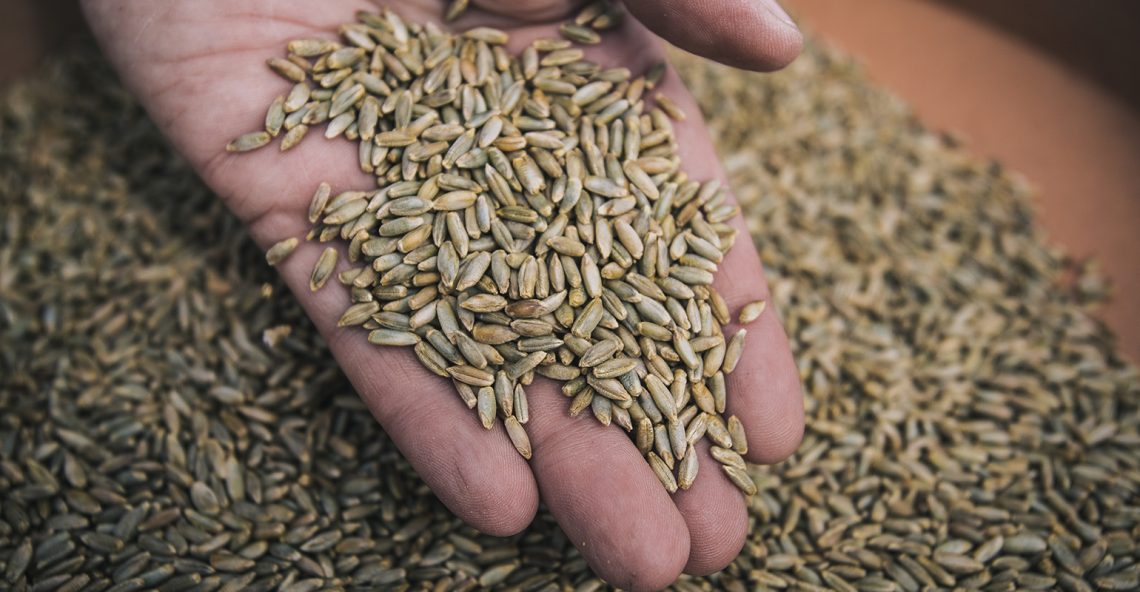
Rye helps with weight loss, increases the efficiency of the digestive system, prevents gallstones, reduces the risk of diabetes, lowers blood pressure, protects arterial and cardiovascular health, and fights the body against certain types of cancer.
The health benefits attributed to it are the result of nutrients, minerals, vitamins, and organic compounds. Some of these components include manganese, copper, magnesium, phosphorus, B vitamins, dietary fiber, and phenolic antioxidant compounds.
The type of fiber found in rye is somewhat unique, as it is extremely bound to water molecules, providing satiety very quickly.
Recent research has revealed an important element in rye that may contribute to reducing the severity of gallstones. This is somewhat related to the impact of fiber on the digestive process, as fiber can help reduce the amount of bile acids formed, which are the main cause of gallstone development.
The impressive composition and density of dietary fiber make it perfect for those suffering from constipation or other intestinal blockages. It can reduce excess gas, relieve stomach pain and cramps, and can prevent more serious conditions such as ulcers, gallstones, or even colon cancer.
Women in the postmenopausal period who suffer from high blood pressure, high cholesterol, or various cardiovascular conditions should consume whole grains six times a week, especially rye and oats; also in the case of women, rye reduces the chances of breast cancer, both in the premenopausal period and afterwards.
Research conducted at the University of Kuopio, Finland, has shown that rye can lead to regulation of metabolism. Compared to other cereals in the same family, it seems to be the most suitable for optimizing the metabolic performance of cells.
Rye is known for improving heart health. If you suffer from high blood pressure or atherosclerosis, then adding it to your diet is beneficial. These effects are the result of a large number of nutrients, including fiber, vitamins, and mineral content.
The progress of research on antioxidant activity is very encouraging. Phenols are certainly present in rye and, although they are not the same antioxidants found in many foods, they have positive effects on the human body, including protection against cancer and chronic diseases. In fact, rye has been linked to a lower incidence of breast, colon, and prostate cancer.
Rye can significantly reduce the chances of developing asthma. Research conducted in several schools has shown that children who regularly consumed rye had a 60% reduced risk of developing this condition compared to children who did not consume rye.
Attention! Having a significant gluten content, rye is not recommended for individuals sensitive to this ingredient; however, the negative effect on these individuals is lower than in the case of wheat. It is necessary to discuss with your doctor beforehand if you have this sensitivity and wish to add rye to your diet.




