White sage is a perennial plant primarily used to purify the air, improve the smell and energy of a space, or it can be prepared as tea for a variety of potential health benefits.
What is white sage?
White sage (Salvia apiana) is also known as sacred sage or bee sage. It is mainly found in northern Mexico and the southwestern United States, such as California and other desert regions. This shrub grows on the slopes of coastal areas. It has velvety green leaves covered with a powder that releases aromas and oils when rubbed, burned, or soaked.
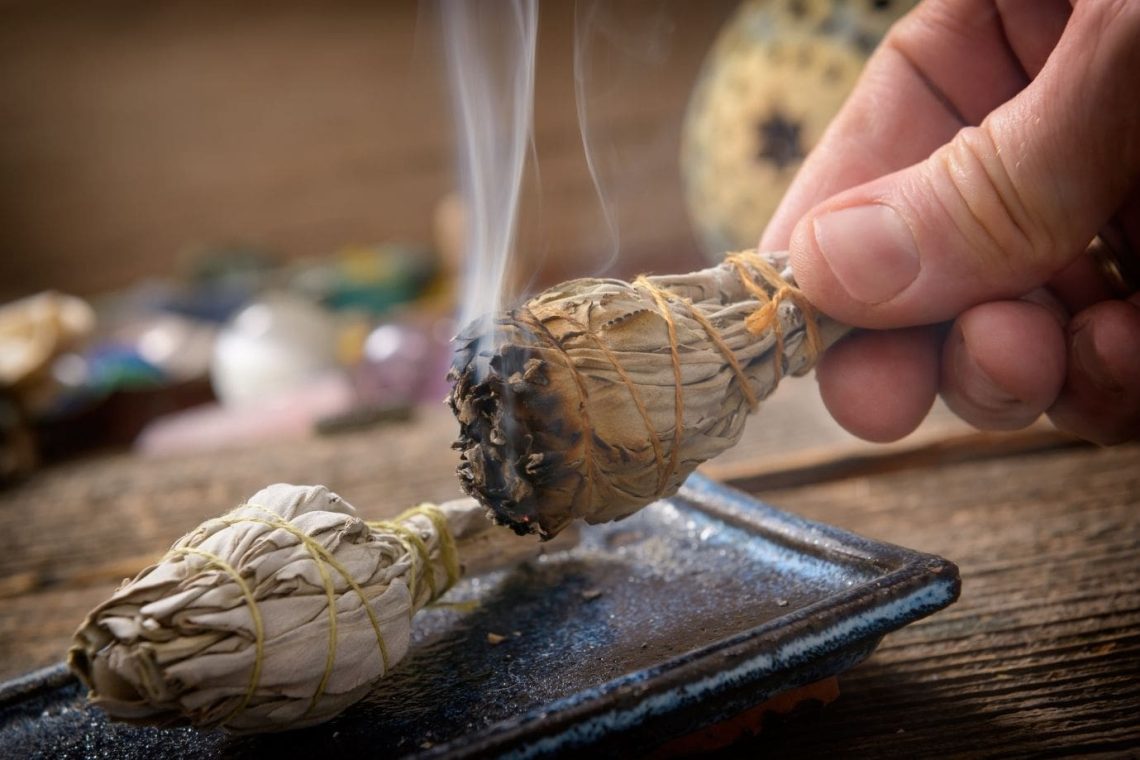
The most commonly used form of white sage is in small dried bundles, which have a more traditional or spiritual application. These bundles are burned for their aroma and as a tool for cleansing a home or area of negative energy/spirits.
Benefits
Sinus infections
If you burn white sage and inhale some of the smoke, be aware that it contains eucalyptol. This is an antioxidant compound that helps eliminate pathogens and reduce inflammation in the sinuses. It may also have a similar effect on respiratory infections when consumed as tea.
Antibacterial
When consumed as tea, white sage can help reduce the presence of bacteria in your body. When burned in a larger space, it can reduce airborne bacteria by up to 90%!
Inflammation
According to a review by the National AGRIS Center in Slovenia, white sage tea reduces pain and discomfort in the joints. The presence of phytoestrogens and other antioxidant compounds in sage may help reduce inflammation associated with menstruation, including cramps and hot flashes.
Digestion
Traditionally, this plant has been used to promote good digestion, as it can help reduce the inflammation of hemorrhoids and promote healthy and normal intestinal movements.
Eliminating negative energies
Perhaps the most well-known use of white sage is its burning. It is traditionally associated with removing negative energy from a space. Starting from the entrance of the house, begin cleansing negative energies with sage smoke throughout the rest of the house. The strong aroma and smoke eliminate stale air and negative energy from past experiences.
Stress and anxiety
Some of the active ingredients in sage that are released when burned are known to reduce feelings of stress and tension, thus helping to decrease chronic anxiety and associated symptoms.
Uses of white sage
As explained above, there are various uses for white sage, including preparing tea, tying dried leaves and burning them, or applying them as a compress on the body.
Tea
To make tea from white sage, place two teaspoons of fresh sage leaves (or 1 teaspoon of dried sage leaves) in a cup. Fill the cup with boiling water and let the leaves steep for 2-3 minutes. Strain the tea and enjoy it with lemon or honey.
Compress
Place 3-4 tablespoons of sage leaves in a bowl with warm or cold water (depending on whether you want the compress to be warm or cold). Soak a cotton cloth and apply it to the affected area.
Burning / Smudging
If you buy a bundle of dried white sage leaves, follow the instructions on the packaging. If you want to make it yourself, clean the sage leaves well, dry them, and then tie them into a bundle that hangs upside down. Let them air dry for 7-10 days before burning.
Side effects
Some people have negative reactions to sage, especially when consumed as tea. These adverse reactions include nausea, vomiting, shortness of breath, skin rashes, or fluctuations in blood pressure. If you experience any of these negative side effects, stop using it immediately, as you may be allergic to this plant.
When burned, the smoke can cause irritation to the eyes or sinuses, especially if inhaled directly. These symptoms should pass quickly.
Topical irritation from a plant-based compress is possible but rare and should also pass quickly if your skin is sensitive to the active compounds.




