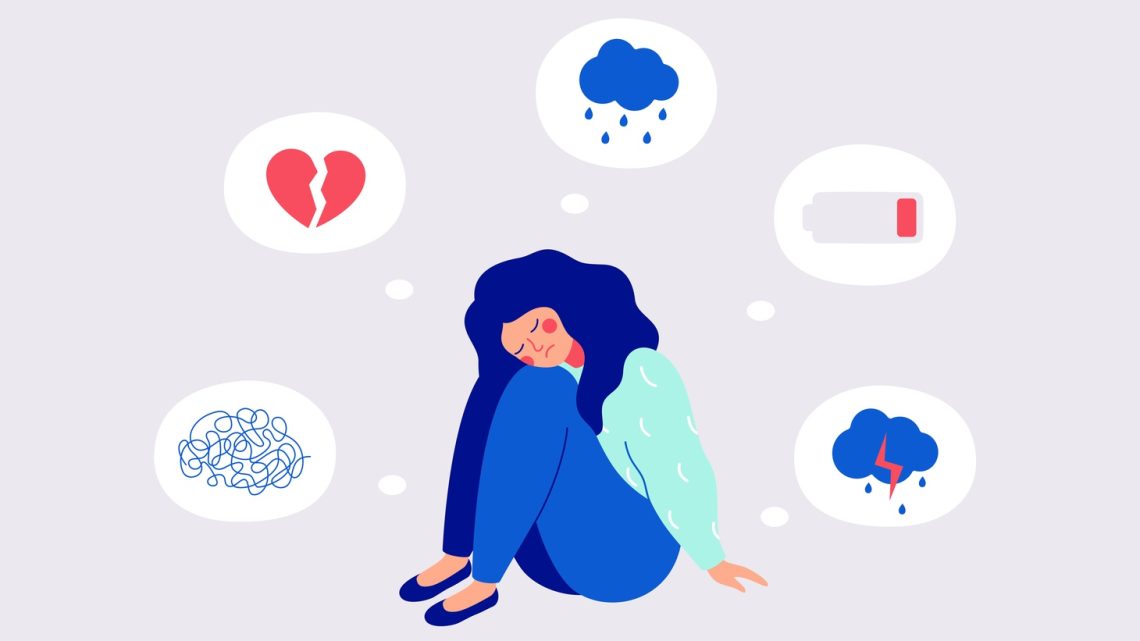
Many people struggle with chronic stress and anxiety. These conditions have symptoms such as nervousness, agitation, tension, a racing heart, and chest pain.
Anxiety is among the most common mental health issues. In the United States, over 19% of adults are affected by anxiety disorders each year.
In some cases, another condition, such as hyperthyroidism, can lead to an anxiety disorder. Obtaining an accurate diagnosis can ensure that a person receives the best treatment.
In this article, you will learn about a wide range of natural remedies that can help combat stress and anxiety.
Natural remedies are generally safe to use alongside medical therapies recommended by a doctor. However, dietary changes and some natural supplements can alter how medications for these disorders work, so it is essential to consult a doctor before trying these solutions. Additionally, the doctor may recommend other natural remedies.
1. Exercise
Studies show that physical exercise can help reduce anxiety symptoms. High-intensity exercises may be more effective than low-intensity ones.
Physical activity can help alleviate anxiety caused by stressful circumstances. For example, studies suggest that exercise can benefit individuals with anxiety related to quitting smoking.
2. Meditation
Meditation can help slow down negative thoughts, facilitating stress and anxiety management. A wide range of meditation styles, including mindfulness and meditation during yoga exercises, can be beneficial.
3. Relaxation Exercises
Some people unconsciously tense their muscles in response to anxiety. Progressive relaxation exercises can alleviate this tension and reduce stress.
4. Keeping a Journal
Finding a way to express feelings of anxiety can make them easier to manage.
Some research suggests that journaling and other forms of writing can help people cope better with anxiety. For example, it has been found that emotion-based journaling can reduce mental suffering and improve overall well-being.
5. Time Management Strategies
Some people feel anxious when they have too many commitments at once. These can involve family, work, and health-related activities. Effectively managing time can help keep this anxiety at bay.
Effective time management strategies reduce anxiety. Some people find that breaking major projects into smaller tasks can help them complete those tasks with less stress.
6. Aromatherapy
The scent of calming essential oils can help relieve stress and anxiety. Certain aromas work better for some people than for others, so consider experimenting with different options. Studies suggest that lavender may be particularly helpful in treating anxiety disorders.
7. Herbal Teas
Many herbal teas promise to help reduce anxiety and promote sleep. Some teas may have a direct effect on the brain, leading to reduced anxiety.
Results from a study suggest that chamomile may alter cortisol levels, a stress hormone. Other beneficial teas for such issues include linden, valerian, passionflower, and lavender.
8. Herbal Supplements
Like herbal teas, many herbal supplements claim to reduce anxiety. However, there is limited scientific evidence supporting these claims.
It is vital to talk to a doctor who is knowledgeable about herbal supplements and their potential interactions with other medications.
9. Time with Animals
Pets offer love and support. Research has confirmed that pets can be beneficial for individuals with a variety of mental health issues, including anxiety.
While many people prefer cats, dogs, and other small mammals, those with allergies will be pleased to find that a pet does not have to be furry to provide support.




