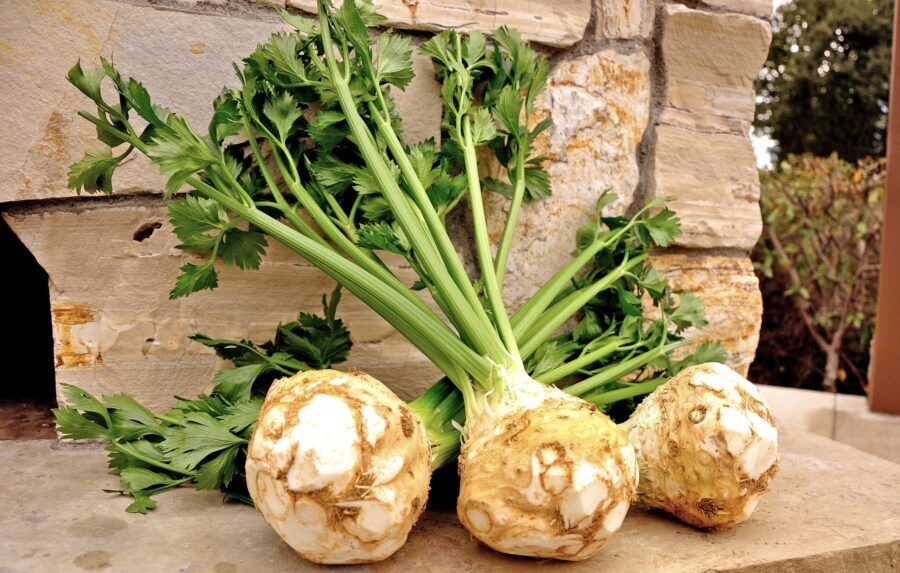
Most people choose to eat celery stalks, but the green leaves and seeds of this vegetable are also edible and beneficial. For example, the leaves are a great addition to potatoes and soups, while the seeds, which can be found either as whole seeds or in extract form, have some impressive health benefits, such as reducing inflammation and fighting infections.
Nutritional Information
According to the United States Department of Agriculture, one cup of raw chopped celery (approximately 100 grams) contains approximately:
16.2 calories
3.5 grams of carbohydrates
0.7 grams of protein
0.2 grams of fat
1.6 grams of fiber
29.6 micrograms of vitamin K (37% DV)
453 international units of vitamin A (9% DV)
36.5 micrograms of folate (9% DV)
263 milligrams of potassium (8% DV)
3.1 milligrams of vitamin C (5% DV)
0.1 milligrams of manganese (5% DV)
0.1 milligrams of vitamin B6 (4% DV)
40.4 milligrams of calcium (4% DV)
0.1 milligrams of riboflavin (3% DV)
11.1 milligrams of magnesium (3% DV)
Additionally, it is a good source of dietary fiber, especially when consumed in larger quantities, which means it can have digestive benefits.
Considering it has a high water content and electrolytes, including approximately 80 milligrams of sodium per cup, which is quite high for a vegetable, it can help prevent dehydration symptoms while also acting as a natural diuretic that reduces bloating.
Health Benefits
What are the benefits of consuming celery? Here are a few reasons to add this vegetable to your diet:
1. May Help Lower High Cholesterol and Blood Sugar Levels
Celery may have some cholesterol-lowering effects due to a unique compound called 3-n-butylphthalide (BuPh), which has been reported to have lipid-lowering action. Researchers believe this vegetable likely contains many other protective compounds as well.
Additionally, it has been found that extracts from this vegetable significantly help lower plasma glucose levels in adults who are prediabetic.
2. May Reduce Inflammation
Celery contains antioxidants and polysaccharides known to act as anti-inflammatories, especially flavonoid and polyphenol antioxidants. Research shows that these support overall health, especially as we age, by combating free radical damage (or oxidative stress) that can lead to cellular damage and inflammation.
Researchers have identified over a dozen different types of nutrients and antioxidants responsible for the benefits of celery products. These include phenolic acids such as caffeic acid and ferulic acid, plus flavanols like quercetin.
Due to its potential anti-inflammatory properties, celery may be useful in treating a wide range of conditions that are aggravated by inflammation, including:
joint pain (such as arthritis)
gout
kidney and liver infections
skin disorders
irritable bowel syndrome
and others
Consuming flavonoids from plant foods has been associated with reduced inflammation affecting the brain.
3. May Help Prevent or Treat High Blood Pressure
Certain nutrients found in celery are believed to help lower blood pressure by acting as a relaxant for smooth muscles and improving calcium and potassium flow in and out of cells. There is also some evidence that celery extract can help blood vessels expand and contract, improving blood flow and contributing to overall heart health.
4. May Help Prevent Ulcers
This crunchy vegetable may help prevent or reduce the formation of ulcers due to a special type of ethanol extract that is useful in protecting the mucosa of the digestive tract.
Researchers believe celery nourishes the stomach, colon, and intestines due to the presence of chemical constituents such as flavonoids, tannins, volatile oils, and alkaloids. These compounds control the level of gastric acid released, improving the level of protective mucus.
A study published in the Journal of Pharmaceutical Biology found that celery extract has the ability to significantly replenish depleted gastric mucus levels, which is necessary in the stomach lining to prevent the formation of sores and small openings.
5. May Protect Liver Health
In one study, when subjects were fed celery (along with chicory and barley), they experienced a reduction in the dangerous accumulation of fat in the liver, as well as improvements in liver enzyme function and blood lipid levels.
Researchers found that the more celery, chicory, and barley were administered to the subjects in this study, the more their liver health improved.
6. May Have Weight Loss Benefits
Celery is extremely low in calories and can be a valuable food to help you lose weight due to its ability to provide vital nutrients and help regulate lipid (fat) metabolism.
In addition to its nutritional content, especially its antioxidant intake, electrolytes, vitamins, and minerals, it contains water and fiber that can make you feel full, adding volume to meals. Consuming whole celery provides more fiber than juice, making it the better option.
7. May Support Digestion and Reduce Bloating
Celery seeds contain an oily compound known as NBP that has a diuretic effect and helps detoxify the body. In a study involving subjects, published in the Journal of Medicinal Foods, the volume of urine was significantly higher when subjects were administered celery extract.
The digestive benefits of celery are partly due to its diuretic effects and also because it stimulates circulation in the intestines, thereby helping to improve digestion and alleviate bloating and swelling due to water retention.
8. Has Antimicrobial Properties That Fight Infections
Celery seeds have been used for centuries as a herbal medicine with antibacterial effects. A report published in the Journal of Pharmacy and Pharmacology demonstrated that celery products contain antimicrobial components.
There is some evidence that it can purify and significantly reduce bacterial growth, naturally supporting immunity against bacterial infections.
9. May Help Prevent Urinary Infections
Since celery helps reduce uric acid and stimulates urine production, it is beneficial for combating bacterial infections in the digestive tract and reproductive organs. Similar to cranberries, which are known for fighting urinary tract infections (UTIs), celery may help prevent urinary infections, as well as bladder disorders, kidney problems, and potentially even cysts in the reproductive organs.
10. May Have Anti-Cancer Effects
Celery belongs to the same plant family as vegetables that protect against cancer, such as carrots, celery, fennel, parsley, and parsnips, which contain chemoprotective compounds called polyacetylenes. Early studies have shown that polyacetylenes help reduce toxicity and fight cancer formation, especially breast cancer, intestinal cancer, and leukemia.
Polyacetylenes have many immune-boosting effects, including the ability to combat tumors that inhibit the proliferation of mutant cells. According to the faculty of the Department of Agricultural Sciences at Aarhus University in Denmark, polyacetylenes have shown many interesting bioactivities, including anti-inflammatory, anti-platelet aggregation, cytotoxic, anti-tumor, as well as activity against bacteria and mycoplasma.
That’s not all. Celery contains flavonoids called apigenin and luteolin, which have been shown to induce death in cancer cells.




