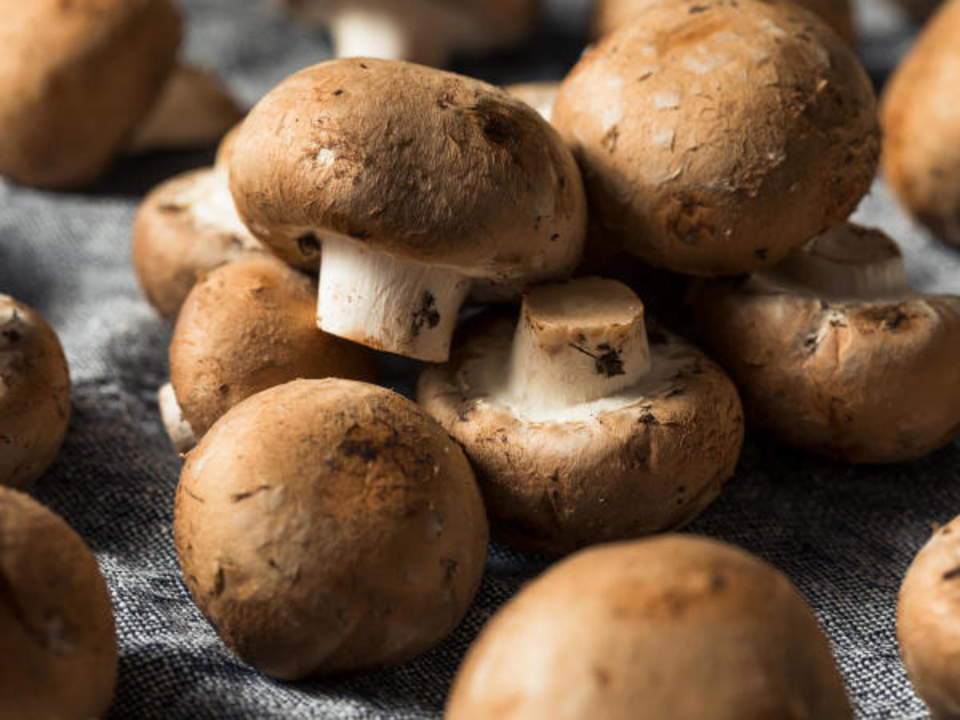
The health benefits of mushrooms include lowering cholesterol levels, and reducing the risk of cancer and diabetes. Additionally, they help with weight loss and boost the immune system.
There are approximately 140,000 species of mushrooms worldwide, but science knows about only 10%, while only 100 species are studied for their health benefits and medical applications.
Mushrooms provide protein without cholesterol or fats. The fibers and certain enzymes in mushrooms help lower cholesterol levels. Maintaining a balance between LDL and HDL cholesterol is essential for preventing various cardiovascular diseases, such as atherosclerosis, heart attacks, and strokes.
Anemic individuals are characterized by having low iron levels in the blood, leading to fatigue, headaches, reduced neural function, and digestive issues. Mushrooms are a good source of iron, promoting the formation of red blood cells and maintaining health.
Numerous studies have shown the anti-tumor properties of mushrooms. They are very effective in preventing breast and prostate cancer, due to the significant presence of beta-glucans and linoleic acid, which have anti-cancer effects. Linoleic acid is particularly useful in suppressing the harmful effects of excess estrogen. This increase in estrogen is one of the main causes of breast cancer in women after menopause. Beta-glucans inhibit the growth of cancer cells.
Mushrooms constitute an ideal diet for those suffering from diabetes. They contain proteins, a multitude of vitamins and minerals, water, and fiber. Moreover, mushrooms contain natural insulin and enzymes that help break down sugars or starches in food. They also contain certain compounds that contribute to the proper functioning of the liver, pancreas, and other endocrine glands, thus promoting insulin formation and its proper regulation throughout the body. The natural antibiotics in mushrooms help prevent infections and painful conditions that can endanger life.
Mushrooms are a rich source of calcium, an essential element in the formation and strength of bones. A constant supply of calcium reduces the chances of developing conditions such as osteoporosis and can alleviate joint pain and general lack of mobility associated with bone degradation.
Mushrooms contain very powerful antioxidants, effective in protecting against free radicals and stimulating the immune system.
Mushrooms contain natural antibiotics (similar to penicillin, which is derived from mushrooms) that inhibit microbial growth and other fungal infections. They can also help heal ulcers, ulcerative wounds, and protect them from developing infections. The good combination of vitamins A, C, and the B complex strengthens the immune system.
Studies on certain types of mushrooms, including Shiitake and Maitake, have shown that they have a high potassium content. Potassium acts as a vasodilator, relaxing tension in blood vessels and reducing blood pressure. Potassium improves cognitive function, as increased blood flow and oxygen to the brain stimulate neuronal activity. Studies have shown that elevated potassium levels from mushrooms enhance memory.
Copper found in mushrooms has a number of beneficial effects on the body. It can regulate and stimulate the absorption of nutrients from food. They contain a high level of iron, so these two nutrients work together for healthy bones and the prevention of anemia.
The selenium content in mushrooms is often overlooked. Primary sources of selenium are found in animal proteins; however, mushrooms represent the best way for vegetarians to obtain the necessary amount of selenium. It provides bone strength, nourishes hair, skin, and nails. Additionally, it is a powerful antioxidant that eliminates free radicals and nourishes the immune system.
Attention! Many species of mushrooms are not edible! Do not attempt to pick mushrooms from the forest for consumption without a solid knowledge base. Mushrooms have the unique ability to absorb the material they grow on, whether beneficial or harmful.
Also, do not trust unknown sellers when buying mushrooms. A single poisonous mushroom can threaten health. Many species can even be fatal if ingested. Always avoid consuming those that are discolored or have colors different from the typical ones for their species.




