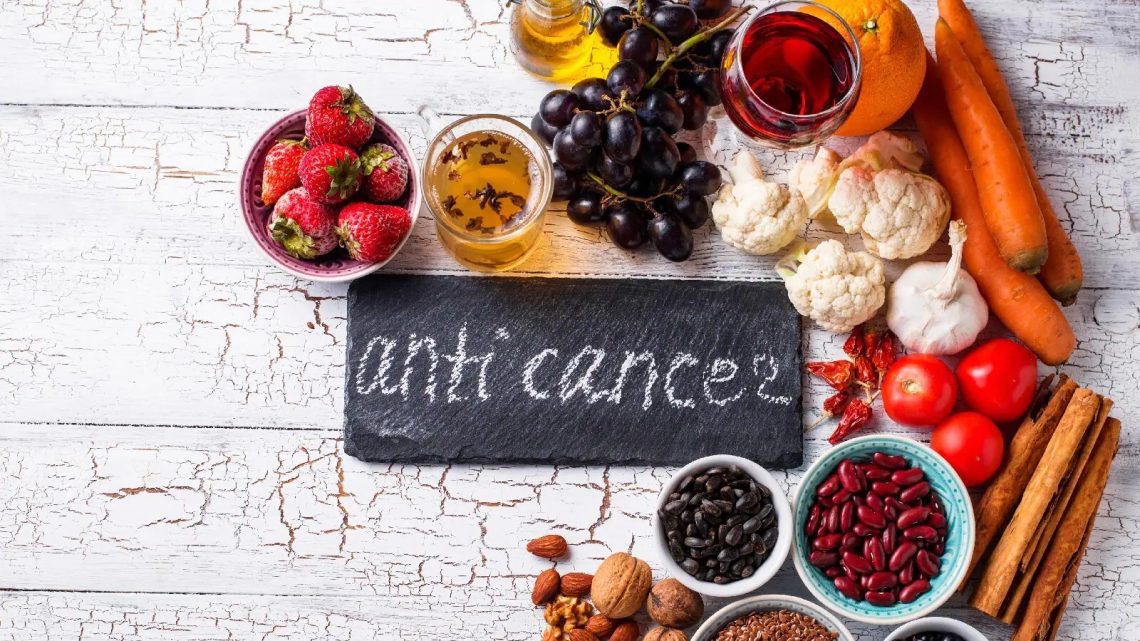
Cancer is recognized worldwide as a major health issue affecting millions of people each year. In the U.S. alone, over 1.9 million people were diagnosed with cancer in 2022. The good news is that there are certain foods—so-called cancer-fighting foods—that can help combat this disease.
Cancer is a systemic disease with various causes, some of which include poor diet, exposure to toxins, nutrient deficiencies, and to some extent, genetics. An extremely important way to prevent and/or treat cancer is nutritional, through the consumption of a nutrient-rich diet filled with cancer-fighting foods while avoiding those known to increase cancer risk.
The ingredients found in ultra-processed foods are blamed for everything related to health, from cancer and diabetes to reduced kidney function and bone loss.
Unfortunately, until food producers are required to clean up the ingredients they use in their products, it is up to us to avoid the worst types and choose foods that fight cancer. Today, the early combination of chemotherapy and nutritional therapy is capable of saving the lives of thousands of cancer patients.
This approach can help support the entire body and mind in the healing process, which is sometimes long and very difficult. Certainly, when it comes to cancer prevention, more research is needed. But for now, here are tips on how to transition to an anti-cancer diet filled with cancer-fighting foods.
How to Eat Enough Cancer-Fighting Foods?
Although we often think of the word cancer as a type of disease, this term actually encompasses over 100 different cellular disorders in the body. Cancer refers to uncontrolled cell division that leads to a tumor or abnormal cell growth. When abnormal cells divide uncontrollably, they can invade nearby tissues and spread to other parts of the body, including the blood and lymphatic systems.
Consume plenty of cancer-fighting foods, rich in antioxidants and natural anti-inflammatory phytonutrients. This means avoiding packaged and processed foods and only consuming those that do not contain antibiotics, chemicals, or toxins. Buying foods that are organic, grass-fed, pasture-raised, and free from additives can significantly reduce the toxic burden of your diet.
Findings published in the European Prospective Investigation in Cancer and Nutrition (EPIC), which analyzed dietary factors associated with higher cancer risks, showed significant associations between cancer risk and low intake of certain nutrients.
Data from the investigation published in the European Journal of Cancer showed an inverse association between higher intake of vitamin C, carotenoids, retinol, alpha-tocopherol, and fiber with overall cancer risk.
After following over 519,978 participants living in 10 European countries, the results showed that those who adhered most closely to a diet similar to the Mediterranean diet had the greatest protection against cancer. High consumption of cancer-fighting foods, such as vegetables, fruits, whole grains, calcium-rich foods, and fiber, was associated with a lower risk of colorectal, lung, and breast cancer, while consumption of red and processed meat, alcohol intake, unhealthy body mass index (BMI), and abdominal obesity were associated with an increased risk.
Being physically active and obtaining sufficient vitamin D also helped reduce susceptibility to cancer.
Top Cancer-Fighting Foods
1. Leafy Greens
Leafy greens are the cornerstone of any healthy diet, as they are exceptionally rich in vitamins, minerals, antioxidants, and enzymes, yet very low in calories, fats, sodium, and other toxins. Leafy greens of all kinds—spinach, kale, collard greens, lettuce, arugula, etc.—are rich in antioxidants known for fighting cancer, including vitamin C and beta-carotene (a type of vitamin A).
And the benefits keep coming! As natural sources of glucosinolates, they also contain antibacterial and antiviral properties, deactivate carcinogens, help reprogram cancer cells to die, and prevent tumor formation and metastasis. It is known that these powerful chemicals break down during the chewing and digestion process into biologically active compounds that inhibit the growth of cancer cells, known as indoles, thiocyanates, and isothiocyanates.
2. Cruciferous Vegetables
Cruciferous vegetables are known to be cancer fighters and some of the best sources of vitamin C available on a large scale. Many are rich in glutathione, known as the body’s main antioxidant, due to its high ability to eliminate free radicals.
Almost all members of the brassica family of cruciferous vegetables are nutrient-dense sources of a family of phytochemicals called isothiocyanates, which are linked to cancer prevention. Along with isothiocyanates, cruciferous vegetables like cabbage and broccoli also contain sulforaphanes and indoles—two types of powerful antioxidants and detoxifying enzyme stimulators that protect DNA structure.
Add one or two types—including broccoli, cauliflower, cabbage, or Brussels sprouts—to three plant-based meals a day, in the form of roasted vegetables, soups, or any dish you prefer.
3. Berries
The ORAC scores of almost all berries are very high, making them some of the best antioxidant-rich foods in the world. Blueberries, raspberries, cherries, cranberries, goji berries, and blackberries are easy to find and use in numerous recipes—which is good news, considering they provide vitamin C, vitamin A, and gallic acid, a powerful antifungal/antiviral agent that boosts immunity.
Berries are particularly rich in proanthocyanidins, which have anti-aging properties and can reduce free radical damage. Large amounts of phenols, zeaxanthin, lycopene, cryptoxanthin, lutein, and polysaccharides are other components with huge benefits from berries.
4. Vibrantly Colored Fruits and Vegetables
The brightly colored pigments found in plant foods are a sure sign that they are packed with phytochemicals, especially carotenoid antioxidants.
Carotenoids (alpha-carotene, beta-carotene, lycopene, lutein, cryptoxanthin, etc.) are derivatives of vitamin A found in many citrus fruits, sweet potatoes, berries, squash, zucchini, and other plant foods. One of the most studied carotenoids is beta-carotene, an essential nutrient for immune system function, detoxification, liver health, and fighting skin, eye, and organ cancers.
Two nutrients that give these foods their dark hues include lutein and zeaxanthin, which have been shown to help prevent eye and skin-related disorders, as they act as antioxidants that filter wavelengths, protecting healthy cells in the process.
Capsaicin is a top nutrient for fighting cancer and has been shown to have positive effects on tumor shrinkage, preventing metastasis (new tumors found away from the original cancer site), inducing apoptosis in various cancer models, and even preventing, in the first place, the onset of cancer.
5. Fresh Herbs and Spices
Turmeric, which contains the active ingredient curcumin, is one of the most powerful ingredients in a cancer-fighting diet, as it has been shown to reduce tumor size and fight colon and breast cancer.
Along with black pepper, which is easy to use, turmeric’s absorption is enhanced and is more capable of fighting inflammation. Aim for a teaspoon of turmeric powder and 1/4 teaspoon of black pepper or more per day. These can be used conveniently in a smoothie, with eggs, or in a vegetable dish.
Meanwhile, the seeds of the coriander plant possess anti-inflammatory properties that can play an important role in treating certain diseases and even cancer.
The benefits of Ashwagandha include its ability to inhibit the proliferation of cancer cells.
The Chinese root galangal has the ability to fight and prevent a wide range of cancers and tumors.
6. Organic Meat
Organic meat, including beef or chicken liver, is recommended in many cancer-fighting diets, as it is considered one of the most nutrient-rich foods on the planet and extremely high in vitamin B12.
Detoxifying with selenium, zinc, and B vitamin-rich sources helps purify the blood, produces bile necessary for fat digestion, balances hormones naturally, and preserves essential vitamins, minerals, and iron. These mineral-rich foods can help counteract the effects of alcohol, prescription medications, hormonal disruptions, high triglyceride levels, low potassium, obesity, and viral infections.
7. Fermented Dairy Products
Fermented dairy products are a rich source of probiotics—good bacteria that promote a natural bacterial balance in the gut microbiota and help boost immunity. Over 80% of your immune system is housed in the gut, so it is not surprising that probiotic foods and supplements can fight cancer and help cells renew themselves.
One of the easiest ways to consume more probiotics is in their most natural state, which includes raw dairy products like cheese, kefir, and yogurt.
Fermented dairy is an excellent source of calcium. Calcium, especially when combined with vitamin D3, can reduce the incidence of cancer. Calcium appears to be particularly beneficial for preventing colorectal cancer. Some studies have found that it helps reduce breast cancer and ovarian cancer risk.
Sun exposure and marine oils like cod liver oil or krill oil are excellent sources of vitamin D that help with calcium absorption. Ideally, calcium should be obtained from foods like organic dairy products.
8. Nuts and Seeds
Chia seeds and flaxseeds are two of the most nutrient-rich foods. They provide fiber, omega-3 fatty acids, and a range of important minerals.
Chia is rich in alpha-linolenic acid (ALA), a type of omega-3 fatty acid that gives it the potential to act as a cancer-fighting food. An in vitro study published in the Journal of Molecular Biochemistry found that ALA helped limit the growth of both breast and cervical cancer cells. Researchers found that it induced cancer cell death without affecting normal healthy cells in the body.
Meanwhile, a study published in the Journal of Clinical Cancer Research found that consuming flaxseeds may protect against breast cancer by reducing tumor growth.
Additionally, hemp seeds, sesame seeds, pumpkin seeds, and sunflower seeds are beneficial and packed with healthy fatty acids. Consume two tablespoons daily.
9. Unrefined Healthy Oils
Did you know that the brain and nervous system control the function of your entire body and that approximately 60% of your nervous system is made up of fatty acids? The problem is that many of the fats and conventional processed oils consumed widely today are hydrogenated oils that can destroy our cell membranes, leading to sick cells and toxicity.
Refined fats and oils create problems throughout the body, leading to decreased immune function, cellular congestion, and inflammation that triggers disease. Replace refined vegetable oils, hydrogenated oils, and trans fats with quality oils, including flaxseed oil, extra virgin olive oil, cod liver oil, and coconut oil.
These nourish the gut and promote better immune function, helping you achieve and maintain a healthy weight. Additionally, flaxseed oil and cod liver oil contain essential omega-3 fatty acids that can help energize cells. Olive oil contains phytonutrients that appear to reduce inflammation in the body. It may lower the risk of breast and colorectal cancer.
10. Teas
Metastasis is the most lethal aspect of cancer and results from several interconnected processes, including cell proliferation, angiogenesis, cell adhesion, migration, and invasion into surrounding tissue. Metastases are the leading cause of death among cancer patients, making it one of the most important issues in cancer research today.
Among the few beverages that fight cancer, green tea ranks first. Green tea contains major polyphenolic compounds, including epigallocatechin-3-gallate, which has been shown to inhibit tumor invasion and angiogenesis, which are essential for tumor growth and metastasis.
Teas derived from the leaves of the Camellia sinensis plant are commonly consumed worldwide, including green, black, or oolong tea. While all teas appear to be beneficial, the most significant health effects have been attributed to green tea, including matcha green tea. It contains the highest percentage of polyphenolic compounds, catechins, galocatechins, and EGCG.
The antioxidant EGCG appears to be the most potent of all catechins, and its anti-cancer effects have an activity approximately 25-100 times more effective than that of vitamins C and E.
Precautions
The quality of your diet is undoubtedly linked to your overall health and your ability to prevent cancer. However, other factors are important for cancer prevention, such as exercise, avoiding exposure to medications and toxins, excessive tobacco and alcohol consumption, sleep, and stress.
A variety of foods can be included in a cancer-fighting diet, and your diet does not have to be perfect to be healthy. Start by making one or two simultaneous changes to your diet, eliminating foods you used to consume a lot but are known to increase cancer risk.




