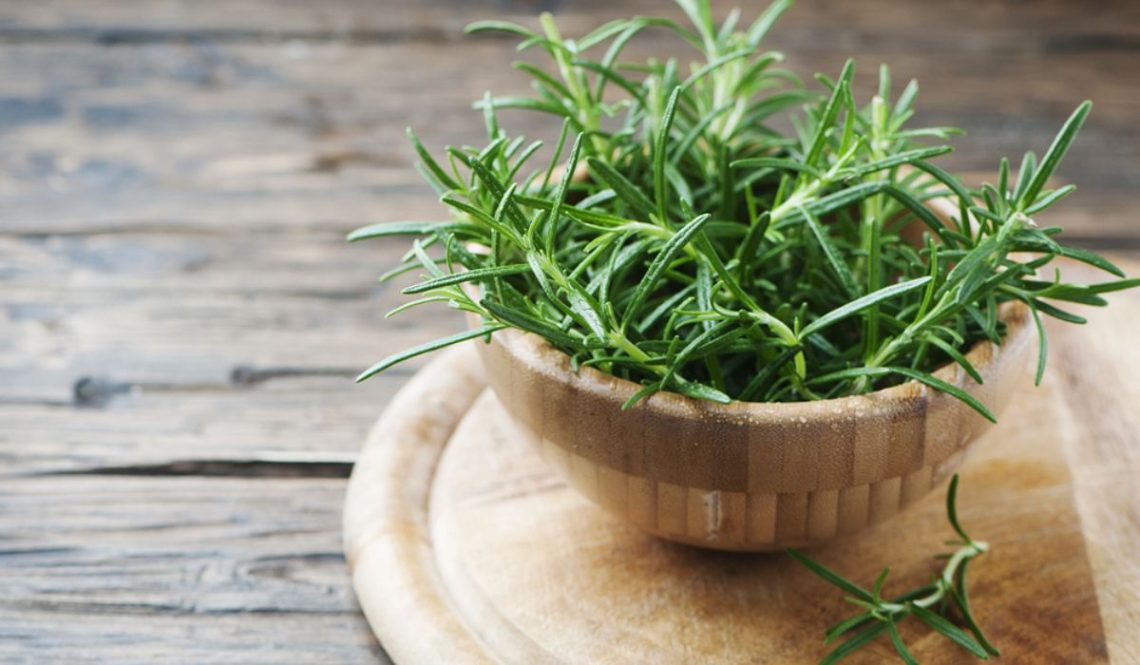
Rosemary has Mediterranean origins. In the Middle Ages, it was believed that rosemary only grew in the gardens of the virtuous. This is a remarkable plant that resembles mint and lemon balm, with leaves like pine needles, flat.
Rosemary also contains iron (in the blood, iron is part of the hemoglobin composition in red blood cells; these cells take up oxygen from the inhaled air and transport it to tissues, where it is released to take up carbon dioxide resulting from cellular metabolism) and potassium (a component in cells and body fluids, which helps control heart rhythm and blood pressure). It also contains fiber, copper, calcium, magnesium, and an abundance of B vitamins, such as pantothenic acid, pyridoxine, riboflavin, and folate, which are useful for DNA synthesis and for women before and during pregnancy, as they help prevent neural tube defects in newborns.
When buying rosemary, it is advisable to choose it fresh. Fresh rosemary can be refrigerated in a bag for a few weeks, while dried rosemary should be stored in an airtight container in a cool, dark, and dry place to last for several months.
To make your own rosemary oil, place a sprig or two of rosemary to dry, then add them to a glass jar, pour in olive oil, and gently shake. Store the jar in a warm, dark place for two weeks.
For centuries, one of the most widespread medicinal uses has been improving memory. This plant, especially in its flower tips, contains rosmarinic acid, which is antibacterial and antioxidant, as well as a series of essential oils such as cineole, camphor, borneol, and bornyl acetate, which are known to be anti-inflammatory, antifungal, and have antiseptic properties.
Rosemary provides 16% of the daily value of vitamin A, protects vision, skin health, and mucous membranes, and offers protection against lung cancer and oral cancer. It is also renowned for fighting infections, due to its high vitamin C content, which synthesizes collagen, a protein necessary for blood vessels, organs, skin, and bones.
Manganese, another prominent mineral in rosemary, plays a critical antioxidant role in the body to reduce the risk of cancer, especially lung cancer.
Scientists tested 144 healthy volunteers to assess the olfactory impact of rosemary and lavender essential oils on cognitive performance and mood. Randomly assigned subjects completed visual questionnaires, and their mood was evaluated both before and after exposure to the scent. Rosemary produced a significant improvement in overall memory performance.
Recent studies have shown that rosemary has preventive and therapeutic properties. The study demonstrated that rosemary extract inhibits the proliferation of ovarian cancer cell lines.




