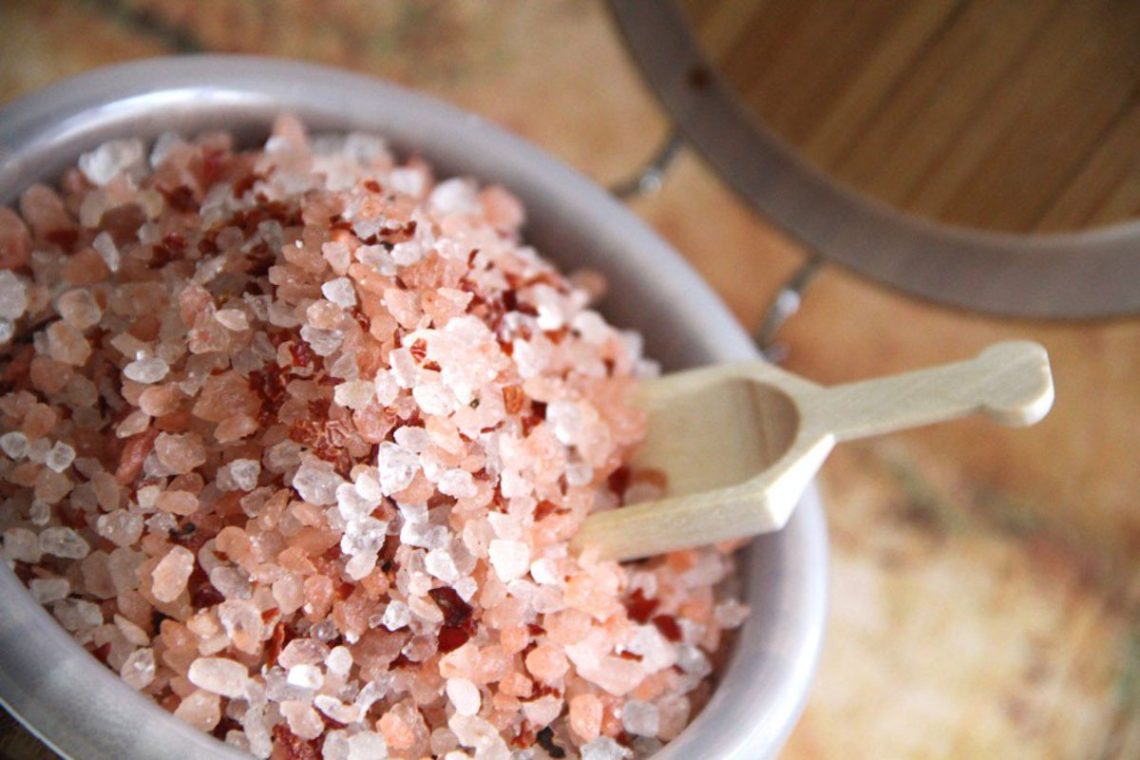
Salt consumed in the right amount is actually very good for health. Himalayan pink salt contains over 84 trace minerals, including calcium, magnesium, potassium, copper, and iron, making it more than just a flavor enhancer for food.
In the past, inhabitants of the Himalayan regions used this versatile salt for preserving meat and fish. It is said that Himalayan salt is the most beneficial and purest of all types of salt available on this planet. In addition to its culinary qualities, it has many nutritional and therapeutic properties. It can be used as a healthier alternative to table salt, as a base for an exfoliating scrub, and as bath salt. There are also lamps made from this pink salt.
Himalayan pink salt is truly a unique salt. This salt is classified as rock salt or halite and comes from the Punjab region of Pakistan, located about 306 km from the Himalayan mountains. This region has some of the richest salt mines in the world, which are very, very old. With a history that dates back to the creation of the Earth, Himalayan salt is believed to be composed of the salt that remained after the first ocean on the planet dried up.
Himalayan rock salt comes from salt mines located 1500 km deep in the earth, beneath the Himalayas. The salt from these mines has been subjected to immense pressure over millions of years and is said to be 99% pure. The pink color of Himalayan salt, as well as its color variations, testify to its mineral content. Himalayan rock salt can be pink, white, or reddish.
In general, salt is essential for maintaining the optimal functioning of the body’s cells, nerve function, digestion, as well as for nutrient absorption and waste elimination.
Himalayan pink salt is more balanced and healthier compared to table salt. Genuine, high-quality Himalayan salt is one of the purest. It can even be extracted manually, which is very different from table salt that involves many artificial processes. Table salt loses the minerals it contains during processing. Commercial table salt typically contains 99.9% sodium chloride. In contrast, unrefined Himalayan salt contains only 87% sodium chloride. In most types of table salt, sodium is the only mineral that remains, to which iodine is added, and often an anti-caking agent, harmful to health, such as yellow prussiate of soda. Salt is often subjected to a bleaching process, which involves aluminum derivatives and other harmful ingredients known to be very toxic to humans.
According to the Lung Institute, Himalayan salt is antibacterial, anti-inflammatory, thins excess mucus, accelerates mucus elimination, neutralizes airborne pathogens (such as pollen), and reduces the hypersensitivity of the immune system.
Currently, there are many salt therapy centers using Himalayan salt, allowing people to benefit from its health advantages, especially regarding the respiratory system. This type of treatment is called halotherapy. Studies show that halotherapy is a natural treatment that does not require medication and is very effective for chronic bronchitis.
The mineral content of Himalayan pink salt can balance the body’s pH. Although it may not seem important, when the pH is in a healthy acid-alkaline ratio, it has a tremendous effect on overall health. An adequate pH boosts immunity and improves digestion. Because Himalayan pink salt contains, in addition to sodium, other electrolytes, it has a direct effect on the pH in the blood.
Himalayan pink salt stimulates the peristalsis of the digestive organs, balances gastric acid, increases the production of digestive fluids from the liver and pancreas, regulates metabolism, and maintains acid-alkaline balance.
Himalayan salt, when used for salt baths, can purify the air in the home. By the nature of the salt it is made from, the lamp attracts water vapor as well as pollutants from the air. The water vapor evaporates due to the heat released by the lamp, but dust and allergens remain in the salt.
Himalayan salt is said to help with sleep due to its rich mineral content. Although it may seem hard to believe, adequate daily salt consumption is essential for sleep quality.
Of course, it is not advisable to overindulge in salt; however, it is good to know that completely eliminating salt from the diet or insufficient consumption can harm sleep quality.
Himalayan pink salt also has other health benefits, including: reducing signs of aging, promoting a healthy blood sugar level, aiding in energy production at the cellular level, reducing cramps, improving nutrient absorption from food, supporting vascular health, aiding the circulatory system, maintaining healthy bones, supporting a healthy libido, and promoting kidney health, unlike chemically treated table salt.




