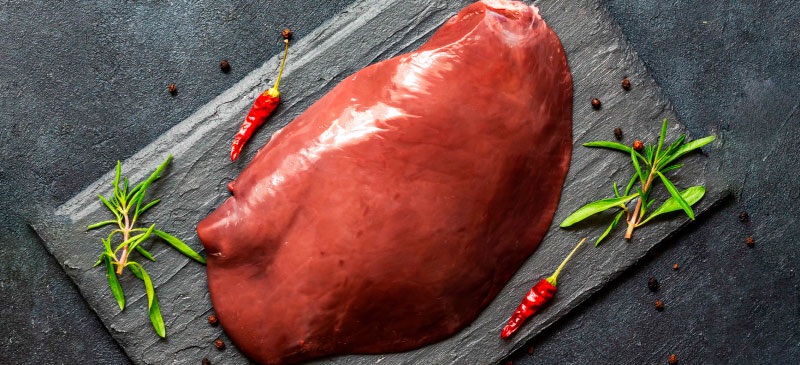
In traditional Chinese medicine, the liver has long been viewed as a superfood that provides nutrients. Consuming organ meats helps replenish depleted nutrient reserves and supports the functions of our own organs.
For many centuries, liver has been a valuable source of protein and nutrients when food was scarce, especially in colder climates where plant foods were difficult to cultivate.
In medieval Europe, liver was a popular ingredient used in numerous recipes, sausages, and puddings. In Asia, it has a long history of use in broths and stews and is sometimes used to thicken dishes.
In Japan, it has always been considered an important food for pregnant women.
Types:
Chicken Liver Chicken liver has the mildest flavor. It contains more fat, folate, and iron than beef liver.
Beef/Lamb Liver Beef liver contains slightly more calories, vitamin B12, vitamin B6, vitamin A, zinc, and phosphorus compared to other types. Many people believe it does not have as appealing a taste as chicken liver.
Fish Liver (such as cod liver or cod liver oil) This is an excellent source of omega-3 fatty acids, vitamin A, and vitamin D.
If you can find it, you can also try sheep, lamb, goat, duck, or goose liver. These provide healthy fats, including omega-3 and other polyunsaturated fats.
Nutritional Information
When comparing the overall nutrient density of liver to other healthy foods like spinach, carrots, or apples, liver surpasses them all due to the number of vitamins and minerals it contains per calorie.
Is liver healthier than meat? Compared to a portion of beef, a portion of liver is richer in certain nutrients. As a very nutrient-dense food, liver is an excellent source of vitamin A, iron, B vitamins, and many others.
In fact, liver is the largest source of vitamin B12. Research shows it is one of the most important contributors of copper, zinc, phosphorus, and magnesium in some diets.
According to the U.S. Department of Agriculture, approximately 28 grams of cooked chicken liver contains about:
46.8 calories
0.2 grams of carbohydrates
6.8 grams of protein
1.8 grams of fat
4.7 micrograms of vitamin B12 (79% DV)
3,732 international units of vitamin A (75% DV)
162 micrograms of folate (40% DV)
0.6 milligrams of riboflavin (33% DV)
23.1 micrograms of selenium (33% DV)
1.9 milligrams of pantothenic acid (19% DV)
3.3 milligrams of iron (18% DV)
3.1 milligrams of niacin (15% DV)
7.8 milligrams of vitamin C (13% DV)
0.2 milligrams of vitamin B6 (11% DV)
113 milligrams of phosphorus (11% DV)
1.1 milligrams of zinc (7% DV)
0.1 milligrams of copper (7% DV)
0.1 milligrams of thiamine (5% DV)
0.1 milligrams of manganese (5% DV)
Is liver good for you? Benefits:
What are the benefits of consuming liver? Here are some ways it reduces the risk of certain conditions and supports overall well-being:
1. Packed with Vitamin B12
The number one benefit of this organ is its high vitamin B12 content. Vitamin B12 is essential for the formation of red blood cells and improves cellular function. We also need it for the proper functioning of the nervous system, supporting metabolism, and brain health.
Adequate consumption can help prevent a deficiency, which can cause symptoms such as fatigue, muscle weakness, brain fog, and mood changes.
2. Major source of active Vitamin A
Liver is one of the most concentrated sources of vitamin A in nature, a fat-soluble vitamin that acts as an antioxidant, helping to reduce inflammation by combating free radical damage.
It is necessary for eye health, skin health, thyroid health, building strong bones, regulating genes, facilitating cellular differentiation, and supporting immune function.
The active form of vitamin A (also known as retinol) comes only from animal-based foods and can be used directly by the body, unlike plant-based vitamin A (known as carotenoids).
3. Very rich in iron, helping to prevent anemia
If you struggle with any type of anemia, which is often related to iron deficiency, then liver is one of the best foods to consume.
It contains a powerful combination of folic acid, iron, and B vitamins. These are nutrients you need to overcome conditions like anemia and to prevent or treat symptoms such as low energy, fatigue, irregular menstrual cycles, or neurological issues.
Women who menstruate, pregnant women, breastfeeding mothers, and vegetarians/vegans should be particularly attentive to obtaining sufficient iron from their diets.
4. Rich in Vitamin B6, Biotin, Choline, and Folic Acid
Liver is rich in vitamin B6, choline, biotin, and folic acid. These nutrients, especially folic acid, support cellular functions.
An important reaction dependent on folate in the body is the conversion of deoxyuridine monophosphate to thymidylate in the formation of DNA, which is necessary for proper cell division. When this process is impaired, it initiates megaloblastic anemia, one of the distinctive signs of folate deficiency.
Liver also provides smaller amounts of nutrients, including copper, zinc, chromium, and selenium, which have far-reaching benefits for metabolism, the central nervous system, and the endocrine system.
5. Excellent food for fertility and during pregnancy
Liver is practically the perfect food for pregnancy, providing protein, iron, folate, choline, and other key nutrients for reproductive health and fetal development.
Pregnant women or breastfeeding women need more vitamin B12 than usual to help with the growth and development of their babies, including the brain and organs. Folate is especially important during pregnancy as it helps prevent congenital malformations and brain and spinal cord anomalies.
Pregnant women are at a higher risk of iron deficiency due to increased iron demand, making iron-rich foods essential, as iron plays a role in oxygen transfer to tissues, including to the placenta. Liver and other organ meats are a good source of protein during pregnancy. Pregnant women should aim to consume at least 75 grams of protein per day.
Liver provides activated vitamin A to pregnant women, which helps reduce oxidative stress, as well as choline, which supports fetal brain development. The USDA recommends not exceeding 10,000 IU of preformed vitamin A from supplements and combined foods, meaning it is best to consume liver in small amounts just a few times a week.
6. Aids in detoxification and supports liver function
The liver helps filter waste and toxins from the blood so they can be removed from the body, but it requires essential nutrients to function properly. It is responsible for metabolizing hormones and medications, and additionally helps produce proteins necessary for blood clotting.
The B vitamins found in liver, especially folic acid, support cellular functions, thus aiding the body’s detoxification pathways. That said, if you have an existing liver condition, such as non-alcoholic fatty liver disease, consult your doctor before adding organ meats to your diet, as this may affect certain nutrient levels in your body.
7. Good source of protein
Protein helps with dozens of functions in the body, including maintaining muscle mass, which is especially important as we age.
We also need sufficient protein to help repair tissues, recover from exercise, grow and develop during childhood, control appetite, produce hormones, and maintain skin and hair health, among many other bodily processes.
8. Provides CoQ10
Both beef liver and beef heart have been shown to be rich sources of CoQ10. CoQ10, which is often taken as a supplement, is found in the highest concentration in the mitochondria of cells, often referred to as the cell’s power plant, as it helps produce energy.
CoQ10 is associated with cardiovascular health, improved blood pressure and vascular health, enhanced sperm and egg quality, increased endurance, and reduced inflammation.
As our CoQ10 levels decrease with age, consuming liver and other types of organ meats is an excellent way to maintain high levels, helping to reduce the effects of free radical damage and stress.