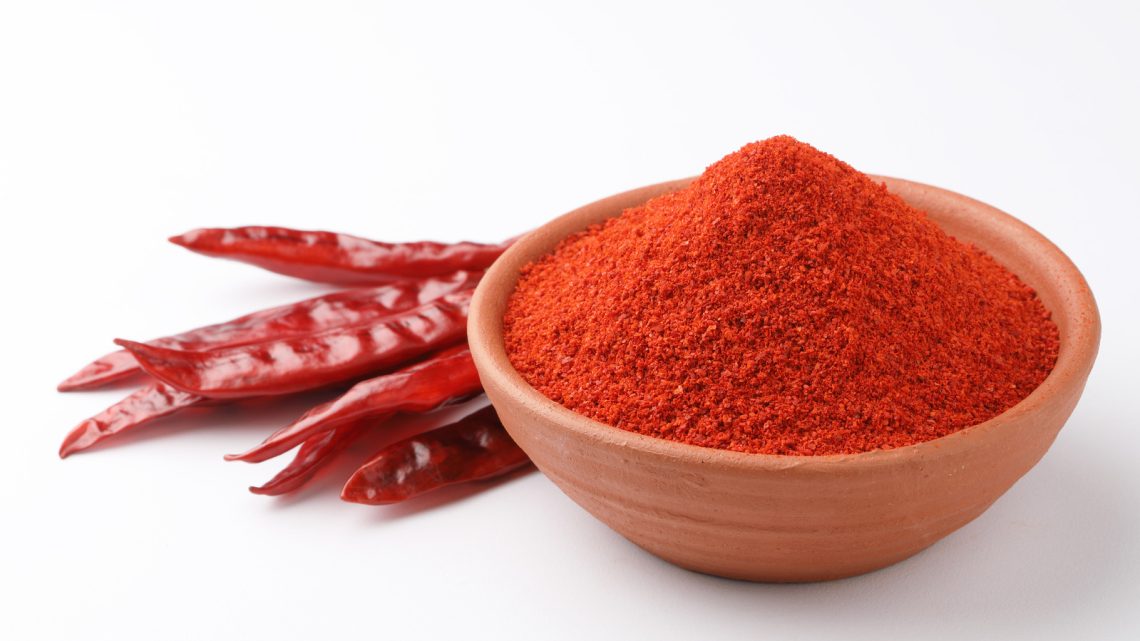
In the past, hot pepper powder was contraindicated for individuals suffering from heartburn or ulcers. Subsequent research has shown that hot peppers are rich in capsaicin, a substance with remarkable effects in treating hyperacid gastritis, protecting the stomach walls from damage caused by acid secretions. All colorful foods contain flavonoids, which have a powerful antioxidant effect: they contribute to preventing degenerative processes and aging processes. They play a very important role in ensuring a proper functioning of the heart and permeability of blood vessels, and lower cholesterol levels.
It contains capsaicin, which is a substance with a strong anti-inflammatory effect. It is used internally for this effect, but also externally for pain relief. The spicy taste causes the body to burn more calories than it receives, thus mobilizing fat deposits.
Hot pepper powder can be confidently used in food or even as an infusion (half a teaspoon in a cup of water), combined with thyme or lemon peel, when feeling like we are about to catch a cold and have symptoms such as sore throat, red eyes, and stuffy nose. Poultices with hot pepper powder, applied to the affected area, are an effective remedy against rheumatism. They are used simply by mixing the powder with a little warm water, placed between two layers of gauze. For individuals with sensitive skin, it is necessary to apply a calendula ointment to the affected area beforehand. The poultices should remain on the skin for 5 to 15 minutes. Taken during cold periods, hot pepper helps prevent colds and provides immediate warmth. It is comforting and very effective. However, it should be used with caution, checking the body’s reactions to the first doses, which should be small.
The type of pepper used to create the powder can contain from five to nine times the amount of vitamin C found in bell peppers. This essential vitamin is known for:
fighting colds and strengthening the immune system (due to abundant antioxidants)
preventing scurvy (although it is not a very common condition today)
helping the body absorb iron (good for women or those with anemia)
protecting against cardiovascular diseases (and subsequent symptoms, such as myocardial infarction and stroke)
The powder contains an antibacterial protein that has been found to naturally control certain bacteria.
It is a stimulant that can have a significant effect on the cardiovascular system. It can improve circulation and even help normalize blood pressure.
It can also aid digestion by stimulating saliva and gastric acid. It can also be used to treat indigestion.
It is used for coughs, colds, flu, laryngitis, dyspepsia, and slow digestion as follows: one tablespoon of tincture three times a day in 100 ml of water.
Contraindications: certain forms of stomach ulcers and hyperacid gastritis, hypertension, and allergies to spicy foods. It should be used with caution by individuals with an irritable temperament, prone to anger, nervousness, and frustration.




