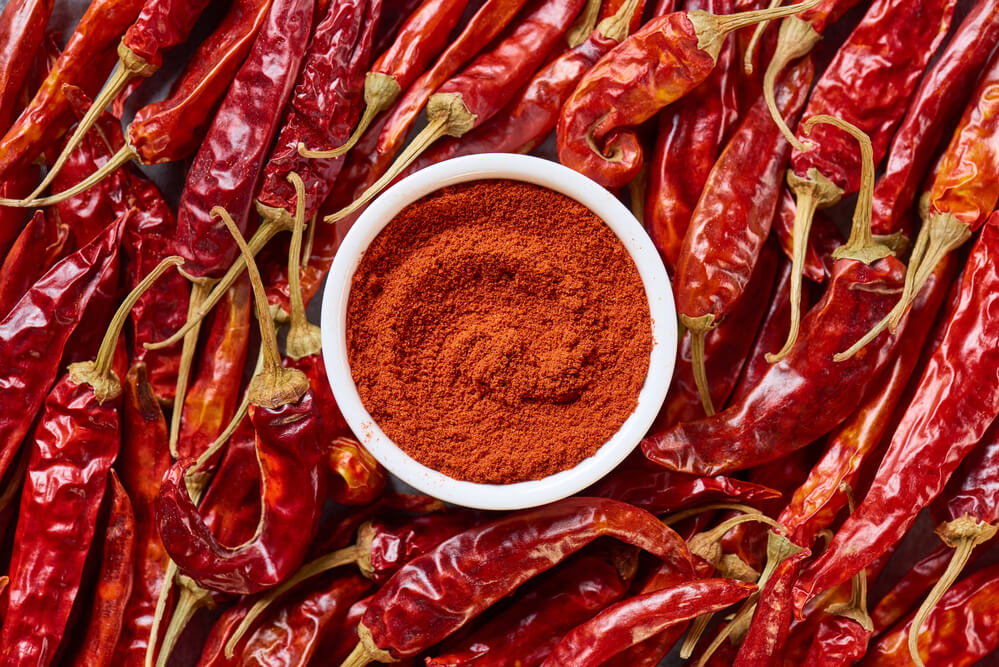
Recently, it has been discovered that paprika not only helps the body fight inflammation and diseases in general, but it may also have a specific role in preventing and combating autoimmune disorders and certain types of cancer. Read on to learn more about these revolutionary findings and the benefits you can reap from this popular spice.
What is paprika?
Paprika is a dried, ground spice made from varieties of peppers in the Capsicum annuum family. This group of peppers includes sweet bell peppers, a very common source of paprika, as well as spicier versions like jalapeños and cayenne.
Nutritional information
Due to the variations in pepper varieties, the nutritional profile can vary significantly from one product to another. However, a few things apply to all varieties. First, red varieties in particular have a massive amount of vitamin A in a single small serving (a teaspoon provides almost 100% of the daily recommended intake).
Secondly, spicier peppers contain an important ingredient known as capsaicin. This nutrient is what gives peppers their heat, and when it comes to health benefits, capsaicin is a key player in preventing life-threatening diseases. However, while sweet bell pepper paprika has some incredible health benefits, it does not contain capsaicin.
A serving of paprika (one teaspoon) contains approximately:
20 calories
3.8 grams of carbohydrates
1 gram of protein
0.9 grams of fat
2.5 grams of fiber
3,560 units of vitamin A (71% RDI)
0.3 milligrams of vitamin B6 (14% RDI)
2 milligrams of vitamin E (10% RDI)
1.6 milligrams of iron (9% RDI)
4.8 milligrams of vitamin C (8% RDI)
5.4 micrograms of vitamin K (7% RDI)
0.1 milligrams of riboflavin (7% RDI)
1 milligram of niacin (5% RDI)
158 milligrams of potassium (5% RDI)
* RDI = recommended daily intake
Health benefits
1. Rich in Antioxidants
Perhaps the most impressive quality of this spice is the amount of antioxidant power it contains in a single serving. Peppers and products made from them have long been recognized for their disease-fighting properties, largely due to their ability to combat oxidative stress.
There are multiple antioxidants in paprika, including carotenoids, which are found in varying degrees in different types of paprika. Carotenoids are a type of pigment found in many plants and serve the body as antioxidants, preventing damage caused by oxidative stress (caused by an overabundance of free radicals in the body) and helping the body fight diseases. These are fat-soluble nutrients, meaning they are best absorbed when consumed with a source of healthy fats, such as avocado.
Common carotenoids found in paprika include beta-carotene, beta-cryptoxanthin, and lutein/zeaxanthin. Beta-carotene has many benefits, from skin protection to respiratory health to supporting pregnancy. The most well-known benefit of beta-cryptoxanthin is its ability to reduce inflammation in conditions like arthritis. And, of course, lutein and zeaxanthin are known for their role in eye health, helping to combat molecules known to cause damage leading to conditions like macular degeneration.
In general, vitamin A is known for its ability to reduce inflammation through antioxidant properties, and since inflammation is the root of most diseases, obtaining sufficient nutrients is important for living a disease-free life.
2. Aids in the treatment of autoimmune diseases
Capsaicin, the ingredient in hot peppers, may have incredible power against autoimmune disorders.
These often debilitating diseases arise from the immune system attacking the host’s body. Symptoms of autoimmune diseases affect the brain, skin, mouth, lungs, sinuses, thyroid, joints, muscles, adrenal glands, and gastrointestinal tract functions.
However, while autoimmune disorders are not curable, this study found that capsaicin stimulates biological reactions compatible with the treatment of autoimmune diseases.
3. May help treat and prevent cancer
Capsaicin found in hot paprika is not only useful in treating one type of disease; it has great potential in treating and/or preventing cancer. Functioning through several different mechanisms, capsaicin appears to be responsible for modifying signaling pathways that limit cancer growth and even suppressing genes that tell tumors to grow in size.
In particular, one benefit of paprika may be its ability to protect against gastric cancer. A study on gastric cancer states: Gastric cancer is the second most common cancer worldwide and the second leading cause of cancer-related death. Over 80% of patients diagnosed with this form of cancer die within a year of diagnosis or recurrence of the disease.
The good news is that capsaicin has strong anti-inflammatory effects on the incidence of gastric cancer, as discovered in early 2016 research in Japan.
There are many natural treatments for cancer that have been effective in aiding treatment, so if you are at risk of developing this disease, it is wise to use paprika as an ingredient in a cancer prevention lifestyle.
4. Useful in the treatment of diabetes
Like many nutrient-rich foods and spices, paprika seems to have the potential to help regulate blood sugar levels and assist in the treatment of diabetes. When diabetic patients consume paprika containing capsaicin, they process digestion and blood sugars better.
Additionally, women with diabetes tend to give birth to babies that are too large for their gestational age, and supplementation with capsaicin also reduces the incidence of this.
5. Good for the eyes
Due to the high amount of antioxidants present in this spice, such as vitamin A, lutein, and zeaxanthin, it is clear that paprika brings benefits, helping to prevent diseases that affect your eyes.
Alongside these nutrients, the presence of vitamin B6 in paprika also helps maintain healthy eyes. People who consume high amounts of B6 experience a slower onset of macular degeneration and other eye-related diseases, especially when consumed with high amounts of folic acid.
6. Keeps the heart strong
Spicing up your diet with paprika helps keep your heart and cardiovascular system in good shape. Vitamin B6 helps lower blood pressure and heal damaged blood vessels. It treats anemia by creating hemoglobin in the blood responsible for transporting oxygen through the bloodstream.
Paprika contains capsanthin, which is considered, according to one study, the main carotenoid in the spice. However, little is known about this antioxidant, especially in comparison to other common antioxidants.
Side effects and allergies
There are very few recorded allergic reactions to paprika, but, as with any food, allergies pose a potential risk.
Therefore, be cautious and contact your doctor immediately if you notice any allergy symptoms, such as swelling of the mouth or lips or contact dermatitis on the skin after eating or handling this spice.


Related Posts

The Benefits of Walnut Oil for Heart, Skin, Intestines, and More

How to Cleanse the Liver: Remedies Within Everyone’s Reach
