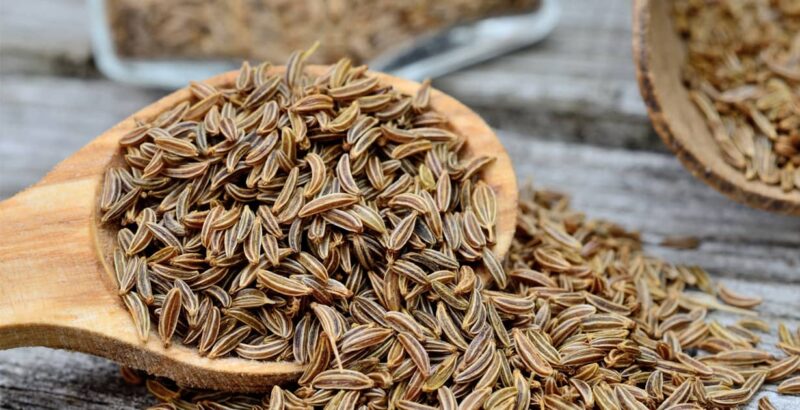
Caraway seeds (Carum carvi) have been used for centuries in food and medicine, appreciated for their intense aroma and therapeutic properties. Many people use them occasionally in bread, pickles, or teas, but daily consumption can bring a series of surprising effects on health. Due to their rich composition of essential oils, fiber, and antioxidants, caraway seeds have become a topic of interest in natural medicine as well as in recent scientific research.
Benefits of Eating Caraway Seeds Daily
1. Stimulates Digestion and Reduces Bloating
Caraway seeds have a strong carminative effect, meaning they reduce the formation of intestinal gas and soothe the digestive tract. This effect is mainly due to compounds like carvone and limonene, which relax the intestinal muscles. When consumed daily, caraway seeds can improve intestinal transit, preventing constipation and abdominal discomfort. They also stimulate the secretion of gastric juices, aiding in more efficient digestion. Many people notice a visible reduction in bloating even after just a few days of consumption.
2. Supports the Immune System
Caraway seeds are a good source of natural antioxidants, such as flavonoids and vitamin C. These compounds help the body combat oxidative stress, protecting cells from the effects of free radicals. Daily consumption can strengthen the body’s defense mechanisms, especially during the cold season. Additionally, the essential oils in caraway have antibacterial and antifungal properties, helping to prevent infections. Combined with a balanced diet, they can support the proper functioning of the immune system.
3. Balances Blood Sugar Levels
Several studies have shown that caraway seeds can have a beneficial effect on regulating blood sugar levels. Active substances like carvone can positively influence insulin sensitivity. Therefore, moderate but consistent consumption can help individuals with prediabetes or type 2 diabetes maintain their blood sugar levels under control. This effect is especially observed when caraway is consumed before meals. Additionally, the fiber content helps slow down the absorption of sugars.
4. Supports Liver Health
Caraway has a proven hepatoprotective effect in several studies. It helps detoxify the liver by stimulating bile secretion and facilitating fat digestion. With daily consumption, the seeds can support the regeneration of liver cells and prevent the accumulation of toxins. This effect is particularly important for individuals who frequently consume medications or alcohol. Furthermore, caraway contributes to balancing liver enzymes.
5. Improves Breathing and Soothes Cough
Caraway seeds have expectorant properties, making them useful in mild respiratory conditions. Daily consumption, even in small amounts, can help clear the respiratory pathways and reduce throat inflammation. Their strong aromas open the sinuses, facilitating breathing. They can be especially helpful during the cold season or in cases of seasonal allergies. Additionally, they have a mild bronchodilator effect, useful in cases of dry cough.
6. Supports Cardiovascular Health
Caraway seeds contain healthy fatty acids, potassium, and flavonoids that can help regulate blood pressure. By reducing inflammation and oxidative stress, they can lower the risk of cardiovascular diseases. Regular consumption can also help reduce LDL cholesterol (bad cholesterol) levels and increase HDL cholesterol (good cholesterol). Moreover, caraway has a mild vasodilatory effect, supporting better blood circulation.
7. Promotes Better Sleep
Aromatherapy with caraway is known for its calming effect on the nervous system. Internal consumption can also have beneficial effects due to the content of essential oils with relaxing properties. Some people who consume caraway seeds in the evening notice a reduction in feelings of anxiety or insomnia. This effect is more pronounced when the seeds are chewed slowly after dinner. The mild sedative effect is useful during stressful periods.
Relevant Studies
A study published in Journal of Ethnopharmacology in 2020 analyzed the antidiabetic effects of caraway seeds administered daily for 8 weeks. The study, conducted on a sample of 60 patients with type 2 diabetes, showed a significant reduction in fasting blood sugar and glycosylated hemoglobin (HbA1c). Participants received 2 grams of caraway daily, administered in powder form. Researchers attributed these effects to improved insulin sensitivity and reduced systemic inflammation. No significant adverse reactions were recorded. Compared to the placebo group, those who consumed caraway showed better glycemic control. The study was double-blind and randomized, giving it high scientific validity. It confirms the traditional uses of caraway in Ayurvedic and Persian medicine. The authors suggested including caraway seeds in the daily diet of diabetic patients. The research paves the way for broader studies on more diverse populations.
Nutritional Table (per 100 g of Caraway Seeds)
| Component | Value |
|---|---|
| Calories | 333 kcal |
| Proteins | 19.8 g |
| Fats | 14.6 g |
| Carbohydrates | 49.9 g |
| Fiber | 38.0 g |
| Iron | 66.4 mg |
| Calcium | 689 mg |
| Magnesium | 258 mg |
| Potassium | 1351 mg |
| Zinc | 5.5 mg |
| Vitamin C | 21 mg |
Contraindications and Precautions
-
Pregnancy: excessive consumption of caraway seeds may stimulate uterine contractions. Caution and medical consultation are recommended.
-
Breastfeeding: may alter the taste of breast milk, causing refusal in infants.
-
Allergies: individuals allergic to Apiaceae (carrot, parsley) may develop allergic reactions.
-
Drug Interactions: caraway may potentiate the effects of diabetes and blood pressure medications.
-
Hormonal Conditions: some sources suggest it may influence estrogen levels, so it is advisable to avoid it in cases of hormone-dependent conditions (e.g., breast cancer).




