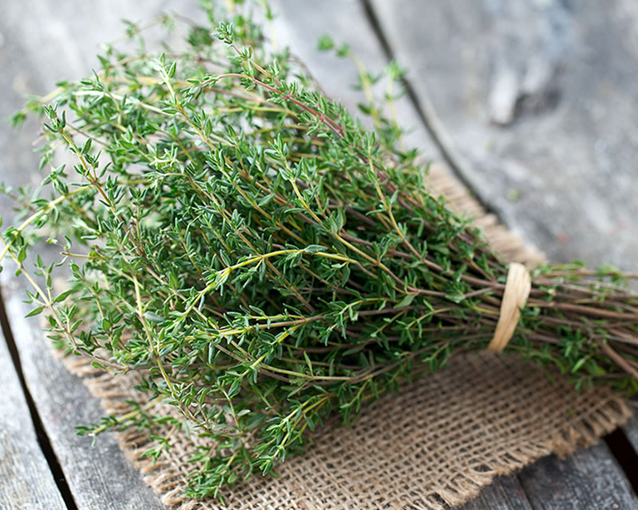
Thyme was used since the time of the ancient Egyptians, who used it for embalming, while the ancient Greeks used it as a spice. Due to its distinctive flavor, thyme has remained an intensely used seasoning to this day. It has also gained a reputation for its medicinal qualities, such as its ability to help with acne treatment or high blood pressure.
Some of the most interesting benefits of thyme include its ability to reduce respiratory issues, boost the immune system, protect against chronic diseases, stimulate blood flow, prevent fungal infections, improve heart health, and reduce stress.
The most well-known active ingredient in thyme is thymol. This organic compound has a wide range of effects on the body, including the ability to prevent fungal and viral infections and stimulate the immune system.
Thyme essential oil, obtained from its leaves, is often used as a natural remedy for coughs. The next time you are dealing with a cough or sore throat, try drinking thyme tea.
The rich blend of potassium and manganese in thyme is particularly important for heart health. Potassium is a vasodilator, which means it reduces stress on the cardiovascular system by relaxing blood vessels and lowering blood pressure. This can prolong your life by preventing atherosclerosis and avoiding strokes, heart attacks, or coronary heart disease.
The concentration of carotenoids and vitamin A found in thyme makes it an effective antioxidant for eye health. Carotenoids can neutralize free radicals in the ocular system, slow the onset of macular degeneration, and prevent cataracts. In addition to all these benefits, thyme is also a good source of copper, fiber, iron, and manganese.
One of the most well-known and long-lasting uses of thyme in traditional medicine is as an agent for respiratory health. If you suffer from bronchitis, asthma, congestion, colds, blocked sinuses, or seasonal allergies, thyme acts as an anti-inflammatory expectorant, clearing mucus from the respiratory tract, reducing inflammation, to aid breathing and prevent microbial development that can lead to illness. Boiling thyme leaves is the best way to obtain this type of remedy for respiratory conditions.
One of the vitamins in thyme (B6) has a strong effect on certain neurotransmitters in the brain, which are directly linked to stress hormones. Regularly including thyme in your diet can help improve your mood and relax your mind during stressful moments.
Thyme is used in repelling bacteria and viruses, as well as pests, rodents, and other animal nuisances. A recent study showed that thyme extract can repel mosquitoes. To achieve the best results in pest control, rub thyme leaves between your palms to release the essential oil.
The phenolic antioxidants found in thyme, including lutein, zeaxanthin, and thymonin, contribute to neutralizing and eliminating free radicals from the body. These antioxidants help prevent oxidative stress in all organ systems, including the nervous system, heart, eyes, and skin.
The high concentration of iron and other essential minerals makes it ideal for stimulating the production of red blood cells, thereby enhancing blood circulation and oxygenating the organ systems and extremities of the body.
Due to its antiseptic and antifungal properties, it is an ingredient used in mouthwash. Thyme is also a popular ingredient in natural deodorants.
For those with a sensitive stomach, high consumption of thyme may cause gastrointestinal disturbances, but in general, this herb can be consumed regularly as part of your diet.




