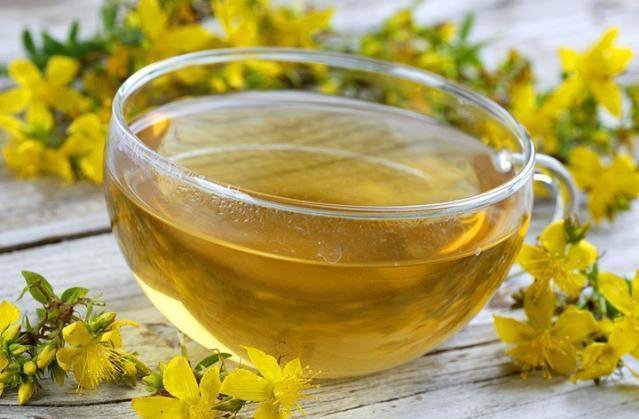
St. John’s Wort is an herbaceous plant well known for its medicinal and therapeutic uses. Most of the health benefits of the plant come from a substance known as hypericin, as well as from its volatile oils. These substances contribute to its astringent and antiseptic properties. The plant is also known for its hypotensive action, which is caused by the flavonoids it contains. In ancient Greece, it was used to fight fever, heal wounds, and treat superficial burns.
Concentrated infusions of St. John’s Wort are very useful in the case of wounds and burns, as well as for conditions of the oral mucosa or throat conditions such as pharyngitis, laryngitis, and tonsillitis. In all these situations, gargling with St. John’s Wort tea or infusion is recommended.
Drinking a cup of tea in the evening before bed can help you get rid of insomnia that disturbs your peace. The serotonin in the tea will relieve stress, allowing you to rest properly. Additionally, St. John’s Wort helps during difficult periods, such as exams, enhancing intellectual performance. Be sure to start the treatment at least a month before the event.
St. John’s Wort contains a unique combination of phytochemicals that interact with substances in our brain, calming us, bringing us good mood, and preparing us for rest.
Studies by French doctors, conducted on 4,000 patients, revealed that a treatment with St. John’s Wort extract lasting between one and two months is as effective as antidepressants.
There are numerous therapeutic uses and health benefits. These include:
helping the normal functioning of the digestive system.
treating excess or under-secretion of bile in the liver. This aids in the digestion of fats.
treating chronic enterocolitis, a condition in which the colon and small intestine become inflamed.
treating hyperacid gastritis, a condition marked by excessive production of gastric juices and acids.
treating gastric ulcers.
improving symptoms of liver conditions.
improving symptoms of gingivitis, as well as dental abscesses.
improving symptoms of menopause.
treating psychological conditions such as nervousness, hysterical crises, or depression.
Attention! St. John’s Wort is not recommended for those with hypertension or for pregnant women. Prolonged use of St. John’s Wort tea increases skin sensitivity to ultraviolet rays. Patients undergoing treatment with antidepressants, anticoagulants, oral contraceptives, asthma medications, antihypertensives, or immunosuppressants should avoid consuming this tea, as the effects of the medications may be diminished. Therefore, it is always advisable to seek the opinion of the specialist doctor who recommended the initial treatment.




