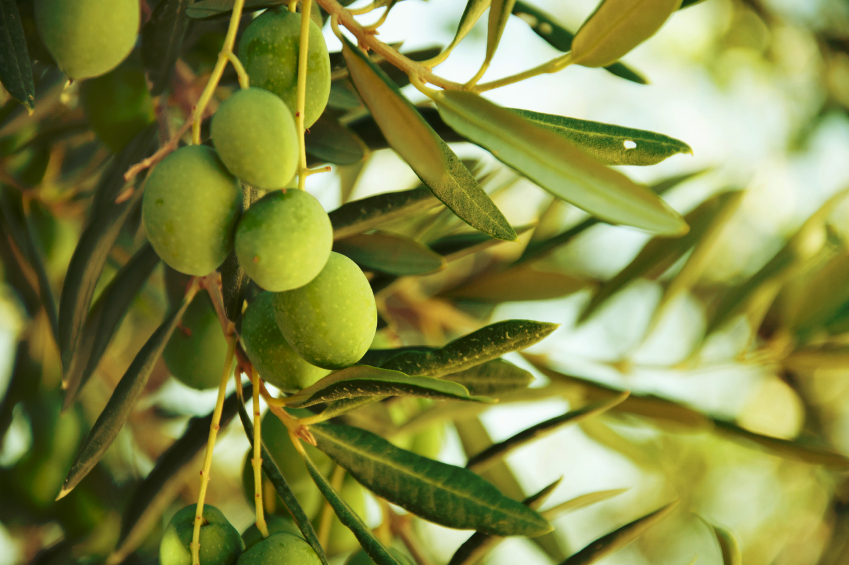
The olive leaf has been used for medicinal purposes since ancient Egypt, where it served as a symbol of divine power. Since then, olive leaves have been therapeutically used in the human diet as extracts, herbal teas, and powders.
The olive leaf contains many potentially bioactive compounds that have antioxidant, antihypertensive, anti-inflammatory, and hypoglycemic properties similar to the well-known benefits of olive oil.
An increasing number of studies demonstrate that olive leaf extract is a powerful medicinal tool, with benefits including support for the immune system, increased energy, and promotion of healthy blood pressure. Due to promising scientific studies indicating its medicinal potential, olive leaf continues to gain recognition for its various health benefits.
What is olive leaf extract?
Olive leaf extract comes from the leaves of the olive tree, known as Olea europaea. The olive tree is part of the Oleaceae family, which also includes species such as lilac, jasmine, Forsythia, and true ash. It is a green evergreen native to Asia, Africa, and the Mediterranean region. Researchers believe that the olive tree originated around 6,000 to 7,000 years ago in the area corresponding to ancient Persia and Mesopotamia.
In the early 1800s, crushed olive leaves were used in brews to reduce fever, and a few decades later, they were used in tea as a treatment for malaria. In Moroccan medicine, olive leaf is infused to stabilize blood sugar and control diabetes. These medicinal benefits of olive leaf extract come from the plant’s powerful compounds.
One bioactive compound present in olive leaves is oleuropein, a secoiridoid that can constitute up to 6-9% of the dry substance of the leaves. Other bioactive components include secoiridoids, flavonoids, and triterpenes. These are plant metabolites that provide health benefits through cellular signaling and antioxidant effects.
Oleuropein, one of the primary compounds in olive leaf, has attracted attention since the early 1900s due to its antiviral, antibacterial, and antifungal properties. Studies have found that oleuropein, a polyphenol, is a powerful antioxidant that helps lower blood pressure naturally and prevent cardiovascular diseases. Oleuropein has also shown anticancer functions when it caused tumors in animals to regress or disappear.
Health Benefits
1. Lowers Blood Pressure
One study evaluated the effectiveness of olive leaf extract compared to Captopril, a medication given to patients with high blood pressure. Five hundred milligrams of olive leaf extract, taken twice daily for eight weeks, significantly reduced both systolic and diastolic blood pressure.
While both olive leaf extracts and Captopril were able to prevent high blood pressure, treatment with olive leaves also led to a reduction in triglyceride levels (lowering bad cholesterol); additionally, unlike olive leaf, there are several possible side effects when taking Captopril, including dizziness, loss of taste, and dry cough.
2. Improves Cardiovascular Health
Olive leaves have been used as a herbal tonic to support cardiovascular function for thousands of years. High doses of olive leaf extract have been shown to help reduce elevated levels of LDL cholesterol and maintain normal blood pressure.
Oleuropein, the main glycoside present in olive leaves, and hydroxytyrosol, the main product of oleuropein found in olives and olive leaf extract, have been linked to a reduction in coronary diseases and certain types of cancer.
3. Combats Diabetes
A study conducted in Greece measured the effects of olive leaf extracts on the formation of advanced glycation end products (AGEs), substances that can be a factor in the development of diabetes and many other chronic diseases. Inhibiting the formation of AGEs is a preventive and therapeutic approach for patients with diabetes, and one study found that olive leaf extract did just that, working to improve diabetes symptoms naturally.
Olive leaf extracts have hypoglycemic effects, meaning they lower blood sugar levels. The olive leaf controls blood glucose levels. The polyphenols in olive leaf play a vital role in delaying sugar production, which causes inflammatory diseases such as diabetes.
4. May Reduce Cancer Risk
Olive leaves may play an important role in the fight against cancer due to their ability to stop the angiogenic process, which stimulates tumor growth. The compound oleuropein has antioxidant and anti-angiogenic effects by inhibiting the reproduction and migration of advanced tumor cells.
A study conducted in Greece showed, for the first time, that olive leaf extracts have a strong antioxidant potential and inhibit cancer and the reproduction of endothelial cells. Olive leaf extracts have slowed the growth of cells associated with breast cancer, bladder cancer, and brain cancer.
5. Enhances Brain Function
Another benefit of olive leaves is their positive effect on brain function. Studies show that oleuropein, one of the main components in olive leaf, reduces symptoms or the onset of age-related disorders such as dementia and Alzheimer’s disease.
Research suggests that there is a link between free radicals and Alzheimer’s. Since olive leaf acts as a powerful antioxidant, it helps combat damage caused by free radicals and protects the brain against memory loss. Using infusions or extracts from olive leaves is a safe and effective way to treat Alzheimer’s disease naturally.
6. Treats Arthritis
Arthritis is a joint disease that causes swelling and pain in the joints. Since olive leaf is an anti-inflammatory agent, it acts as a natural remedy for arthritis.
Studies have shown that olive leaf extracts reduce chronic pain associated with osteoarthritis and decrease the production of cytokines and enzymes that are markers of the inflammatory process.
7. Kills Bacteria and Fungi
An important benefit of olive leaf is its ability to combat infections, including those caused by Candida, meningitis, pneumonia, chronic fatigue, hepatitis B, malaria, gonorrhea, shingles, and tuberculosis. It also naturally treats ear, dental, and urinary tract infections.
Studies have demonstrated that olive leaf extracts have an antimicrobial effect against bacteria and fungi. This suggests that olive leaf acts as a natural antibiotic due to its ability to fight against certain bacterial infections. In the study, olive leaf extracts killed nearly all tested bacteria, including dermatophytes (which cause skin, hair, and nail infections), Candida albicans (a cause of oral and genital infections), and Escherichia coli (bacteria found in the lower intestine).
Olive leaf extract acts as an antimicrobial agent that controls foodborne pathogens, including E. coli and salmonella.
8. Supports the Immune System
Olive leaf has antiviral properties, giving it the ability to fight or prevent colds, as well as treat dangerous viruses. Research shows that olive leaf extracts effectively combat a number of microbes that cause diseases, including some of the viruses that cause the flu and other respiratory infections.
The powerful compounds found in olive leaves destroy invading organisms and prevent viruses from replicating and causing an infection. In fact, olive leaf is so beneficial for our health that treatment with olive leaf extracts reversed many changes associated with HIV-1 infection in a study conducted at New York University School of Medicine.
9. Protects the Skin
Olive leaf has the power to reverse years of skin damage and signs of aging. Due to the antioxidant properties of olive leaf, it helps prevent certain types of cellular damage, especially those caused by oxidation. Foods and herbs that contain antioxidants are excellent tools for skin and cell health.
Other benefits of olive leaves may include:
– more energy
– relief from headaches
– reduced food cravings
– relief from joint pain
– regulation of heart rhythms
– improved wound healing
How long does it take for olive leaf extract to work?
Results will vary depending on your goals, but studies using olive leaves show that it is effective within 8 weeks.
Risks, Side Effects, and Interactions
When olive leaf is used in appropriate amounts, it is generally safe. However, occasionally, olive leaf extract may cause dizziness in individuals with low blood pressure, as it can lower it further.
Olive leaf may also cause stomach irritation, especially if the dose is too high or the tea from olive leaves is too strong. If this happens, dilute the extract with a carrier oil, such as coconut oil, or add more water to the tea. Other side effects may include diarrhea, acid reflux, headaches, stomach pain, and heartburn.
If you are pregnant or breastfeeding, do not take olive leaf extract unless under the guidance of your healthcare provider. There is not enough research to demonstrate that it is safe in these circumstances.
Do not take olive leaves with blood pressure medications, as it lowers blood pressure. Olive leaf extract demonstrates hypoglycemic and antidiabetic properties, so if you are taking diabetes medications, start with small doses under the guidance of your healthcare provider to ensure you do not have a reaction. It is a good idea to discuss with your healthcare provider beforehand, especially if you have diabetes and are trying olive leaf for the first time.
Olive leaf extract may increase the effect of blood thinners, such as warfarin. This is because olive leaf can prevent blood platelets from sticking together. If you are taking warfarin or other blood thinners, consult your doctor before taking olive leaf extract.
And if you are undergoing chemotherapy, discuss with your healthcare provider before using olive leaf, as it may interfere with some chemotherapy medications.