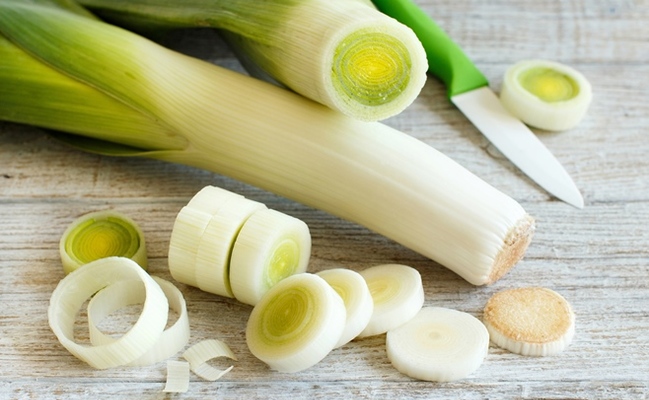
The benefits of consuming leek include protecting heart health, boosting the immune system, maintaining nervous system health, improving vision, reducing the risk of cataracts, lowering blood pressure, enhancing digestion, reducing cancer risk, aiding in weight loss, helping to treat type 2 diabetes, strengthening bones, providing protection against sunburn, and promoting hair health.
Leek is a widely known vegetable that has been used for centuries. Its incredible properties make it a favorite ingredient for chefs and anyone trying to maintain a healthy diet.
This superfood contains high levels of flavonoids, vitamins A, E, and K, and fiber. Leek is rich in compounds such as potassium, calcium, magnesium, copper, and iron. It contains no fats, and a single cooked serving has only 31 calories.
Although leek has been regarded as a superfood since ancient Egyptian times, not everyone today is aware of its beneficial properties.
1. Protects Heart Health
Leek is heart-friendly due to the amount of folic acid present throughout the plant. It is known that this compound helps protect the lining of blood vessels from damage.
With the help of the flavonoid kaempferol, which is found in large quantities in leek, it has been shown that this food can reduce the risk of myocardial infarction and diseases.
Moreover, the high concentration of antioxidants can provide protection to blood vessels against oxidative damage.
2. Boosts Immune System Power
Leek contains a significant amount of vitamin A, which is vital for maintaining the immune system. This compound is useful in reducing inflammation and strengthening the body, helping to combat infections.
Additionally, it has been shown that high levels of vitamin E reduce the spread of pro-inflammatory molecules, such as cytokines.
3. Beneficial for Nervous System Health
Leek, among other green vegetables, is a source of vitamin B6, which is responsible for nervous system health.
This vegetable has been considered essential for reducing fatigue and calming the effects of daily stress. Furthermore, the presence of high levels of manganese, vitamin C, and folic acid helps maintain stable concentration and avoid fatigue.
4. Leek Improves Vision
Free radicals can pose a significant threat to your vision. If not kept at bay, they can damage the surface of the eye, potentially leading to eye diseases and age-related degeneration.
Leek can help combat free radicals due to its high levels of antioxidants and vitamin C.
5. Reduces the Risk of Cataracts
Cataracts are an eye condition that can lead to clouding of the natural lens. Ultimately, it can cause blindness, and a large number of adults over 40 worldwide are affected by this disease each year.
If not prevented, surgical procedures may be necessary to restore good vision. However, compounds in leek, such as zeaxanthin and lutein, have been shown to create a protective barrier against cataracts.
6. Helps Lower Blood Pressure
Leek is rich in potassium. Regular consumption of this compound has been considered helpful in lowering high blood pressure. By improving heart health, potassium promotes blood flow and, therefore, oxygen throughout the body. By dilating blood vessels, the nutrient available in large quantities in leek reduces the risk of heart attacks and coronary diseases.
7. Enhances Digestion
Leek is an amazing source of fiber. 100g of leek contains between 1.8g and 9g of fiber, depending on the variety. Additionally, the fiber found in leek is both soluble and insoluble.
The first ensures a regular digestive process and can be a solution for constipation. The second type of fiber remains in your digestive system, cleansing the intestines and promoting intestinal microbes.
8. Acts as a Natural Diuretic
Among other vegetables like beets, celery, and asparagus, leek has incredible diuretic properties. It has a low sodium content, which promotes the elimination of excess water and sodium from the body.
By flushing out toxins and detoxifying the body, this process can be extremely beneficial for your kidneys. Natural diuretics can help reduce high blood pressure and decrease water and salt retention. This also helps combat skin conditions such as cellulite.
9. Helps Reduce Cancer Risk
Leek is rich in vitamin C, which has been shown to be a useful antioxidant in cancer prevention. While oxidative damage is often a cause of tumors, vitamin C has been proven effective in promoting overall health. By fighting free radicals, it can reduce the likelihood of damaged cells transforming into cancerous cells.
10. Supports Weight Loss
Leek has a sweet onion flavor, is very versatile, and contains only 31 calories per 100g of cooked serving! Additionally, it contains no fats, making it the perfect food for anyone on a strict diet. It is also an excellent source of water and fiber, like many other green vegetables.
11. Helps Treat Type 2 Diabetes
Being low in calories and having a low glycemic index, leek is perfect for inclusion in the diets of those with type 2 diabetes. Additionally, it is an excellent source of fiber and vitamin K, which are essential in this specific diet for the disease.
Leek contains allicin, a nutrient proven to be effective in protecting against diabetic neuropathy.
Moreover, the high levels of copper and iron in leek can help regenerate damaged cells and provide the necessary nutrients for growth.
12. Strengthens Bones
With high levels of vitamin K and calcium, leek promotes the activity of the osteocalcin protein. It has been studied as excellent for bone growth and strengthening. Incorporating leek into your diet will help reduce the risk of osteoporosis and other bone conditions.
With high levels of vitamin K, bone density increases, providing protection against fractures or distortions. In this case, it is important to consume fresh leek rather than cooked or frozen. These two processes can limit the available vitamin K for consumption.
13. Provides Protection Against Sunburn
The green leaves of leek are an excellent source of vitamin C and beta-carotene. While it offers lower protection compared to commercial sunscreen creams, beta-carotene is a natural alternative that works!
It provides a barrier against the harmful effects of UV light while simultaneously improving skin health.
14. Promotes Hair Health
The manganese and sulfur contained in leek can be extremely beneficial for your hair health. During the summer months, it can be an excellent source of nutrients to protect your scalp.




