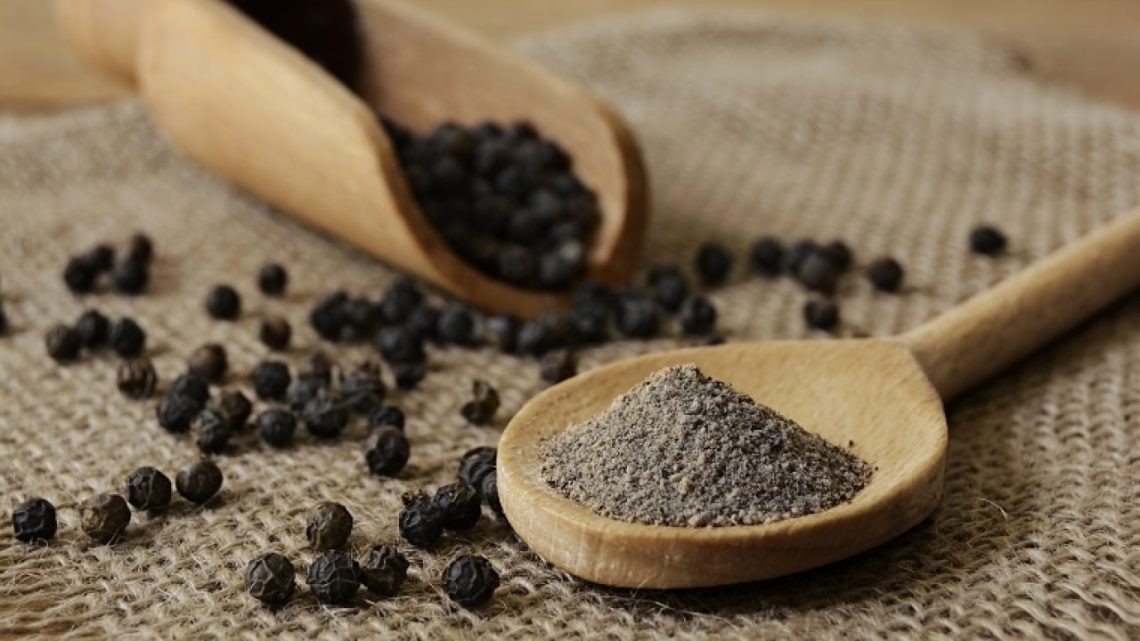
Black pepper is known for providing a range of important health benefits. Incorporating black pepper into your diet helps with promoting weight loss, digestion, relieving cough and chills, optimizing metabolism, and treating skin issues.
It is not a seasonal plant and is therefore available year-round. Due to its antibacterial properties, pepper is also used for food preservation. Black pepper is also a very good anti-inflammatory agent.
Black pepper is a rich source of minerals such as manganese, copper, magnesium, calcium, phosphorus, iron, potassium, and vitamins C, K, and B6. Black pepper has a high content of dietary fiber and a moderate amount of protein and carbohydrates.
Black pepper relieves ear pain and helps with sinus decongestion, asthma, and nasal congestion. It also reduces the risk of cancer, heart and liver diseases.
Consuming pepper increases the secretion of hydrochloric acid in the stomach, thus facilitating digestion. Proper digestion is essential to avoid diarrhea, constipation, and colic. Pepper also helps prevent the formation of intestinal gas, can promote sweating and urination, eliminating toxins from the body.
The outer layer of peppercorns helps break down fat cells. Therefore, spicy foods will help you lose weight naturally. When fat cells are broken down, they are easier for the body to process.
Pepper has expectorant properties that help break down mucus deposits in the respiratory tract, primarily aiding in healing the illness that caused the deposits.
The antibacterial properties of black pepper help combat infections and insect infestations. Adding it to your diet will help you keep your arteries clean, eliminating excess cholesterol and thus reducing atherosclerosis, conditions responsible for heart attacks and strokes. An antioxidant like pepper prevents or repairs damage caused by free radicals and can help prevent cancer, cardiovascular diseases, and liver problems. Free radicals are byproducts of cellular metabolism that attack healthy cells. Antioxidants neutralize these harmful compounds and protect the body in many ways, even from symptoms of premature aging, such as wrinkles, age spots, macular degeneration, or memory loss. Piperine, one of the key components of black pepper, has been shown to help reduce cognitive dysfunction. Chemical pathways in the brain seem to be stimulated by this organic compound. Several studies have shown that black pepper may have beneficial effects on gastric mucosal lesions and peptic ulcers due to its antioxidant and anti-inflammatory properties.
In ancient times, pepper was also administered to treat vision problems. It is also good for conditions like hernia, respiratory issues, dental caries, and toothaches. Grinding pepper at home is more effective because peppercorns retain freshness indefinitely, while pre-ground pepper lasts only 3 months.
Patients who have undergone abdominal surgery should not add pepper to their diet as it can have an irritating effect on the intestines. Pepper should not be consumed in large quantities.




