Did you know that there are numerous herbs and spices that can be consumed or used topically for healing? These natural foods possess a range of beneficial properties and work to reduce inflammation, improve heart health, strengthen the immune system, and even prevent and combat cancer. With so many natural remedies available, the need for prescription medications significantly decreases.
In fact, in the field of herbal medicine, natural substances derived from plants are used to treat diseases within local or regional healing practices. Well-known systems of herbal medicine, such as Traditional Chinese Medicine and Ayurvedic Medicine, emphasize the idea that the focus should be on health rather than illness.
By using healing herbs and spices, people can develop and focus on their overall conditions rather than on a specific ailment that usually arises from an imbalance of the mind, body, and environment. Not only will these herbs and spices enhance health protection, but they will also enhance flavor profiles and make food simply better.
Therefore, I suggest you stock your spice cabinet and start experimenting with fresh herbs that can be mixed into your own therapeutic spice blends.
Herbs and Spices for Healing the Body
1. Aloe Vera
Aloe vera contains vitamins and minerals that are necessary for the proper functioning of all body systems. It also contains enzymes, laxative compounds, anti-inflammatory fatty acids, and wound-healing hormones.
Aloe vera can be used to soothe skin irritations, burns, wounds, and rashes, to treat cold sores, to hydrate hair and scalp, and to reduce inflammation when used topically. When taken internally, aloe vera alleviates constipation, aids digestion, supports the immune system, and even improves symptoms of diabetes.
2. Anise
Anise seeds and oil can be used to relieve various health conditions. Anise aids digestion, acts as an anti-flatulence agent, and can be used to soothe coughs and colds. It can also increase urine flow, stimulate appetite, relieve menstrual discomfort, enhance sexual appetite, and increase milk production in breastfeeding women.
3. Ashwagandha
Ashwagandha is an adaptogenic herb that can lower cortisol levels and balance thyroid hormones. It has also been shown to support adrenal function, helping to overcome adrenal fatigue that occurs when the adrenal glands are overworked by stress. Other benefits include its ability to support brain health, improve mood, increase resilience, and inhibit the proliferation of cancer cells.
4. Astragalus Root
Astragalus root has been used in traditional Chinese medicine for thousands of years. It is an adaptogenic herb that helps the body fight against stress and disease. It improves the health and function of the immune, cardiovascular, and respiratory systems, aids in wound healing, prevents diabetes, slows tumor growth, and alleviates chemotherapy symptoms. The antioxidants found in astragalus root help combat diseases and aging due to free radical damage. You can find astragalus in many forms, including tinctures, capsules, or topical ointments.
5. Basil
Basil is an aromatic plant from the mint family that has anti-inflammatory, anti-stress, and antibacterial properties. It also acts as an analgesic, blood vessel protector, immune booster, and cancer fighter. Basil contains essential oils that are rich in antioxidants and are responsible for its numerous benefits.
6. Bay Leaf
Bay leaves come from the ancient tree Laurus nobilis and are often used in cooking due to their distinct savory aroma. Bay leaves have antimicrobial, antifungal, and antioxidant properties. They can be used to help combat cancer, improve insulin function, enhance cholesterol levels, prevent candida, treat migraines, improve skin infections, and support wound healing.
7. Black Currants
Black currants are small shrubs belonging to the berry family. The bush produces dark purple berries rich in nutrients, packed with vitamin C. These berries are high in anthocyanins, which have many health-promoting properties, including the ability to prevent obesity, heart disease, cancer, and diabetes. Consuming black currant berries can also promote eye health, kill pathogens and viruses, and strengthen the immune system.
8. Burdock Root
Burdock is a biennial plant from the daisy family. The root contains antioxidants that promote health, including quercetin, luteolin, and phenolic acids. It can be consumed in powder, fresh, dried, or tea form to promote detoxification and circulation, strengthen the lymphatic system, protect against diabetes, and heal skin conditions such as acne, eczema, and psoriasis. Burdock root is used to combat cancer and alleviate arthritis.
9. Calendula (Marigold)
Calendula is a plant that is administered orally and used topically to treat or alleviate a range of health issues. It possesses strong anti-inflammatory properties, helps accelerate healing, relaxes muscle spasms, and improves oral health.
Calendula has antimicrobial and antiviral properties, and research shows it can be used to alleviate irritations caused by cancer treatments such as radiation and chemotherapy.
10. Cardamom
Cardamom is made from the seed pods of various plants in the ginger family. It is rich in phytonutrients and manganese, providing 80% of the daily manganese requirement with just one teaspoon. Consuming ground cardamom can help combat bad breath and tooth decay, lower blood pressure, improve diabetes symptoms, aid digestion, and fight cancer.
11. Cat’s Claw
Cat’s claw is a woody vine that grows in the Amazon rainforest. It has antioxidant, antiviral, anti-inflammatory, and anti-mutagenic properties. You can use cat’s claw in the form of extract, capsules, tablets, or tea to combat arthritis, improve digestive issues, boost immunity, lower blood pressure, improve DNA damage, and fight cancer.
12. Cayenne Pepper
Cayenne pepper is available fresh, dried, or powdered and is appreciated for its numerous health benefits. Cayenne can be used to support digestion, prevent blood clots, alleviate migraines, nerve pain, and joint pain, promote detoxification, improve allergy symptoms, and support weight loss.
13. Chamomile
Chamomile is used to improve various health conditions, including allergies, insomnia, anxiety, depression, arthritis, and gastrointestinal disorders. The benefits of chamomile also include its ability to help combat skin irritations, relieve toothaches, premenstrual symptoms, and muscle spasms, reduce inflammation, and heal wounds.
14. Chicory Root
Chicory root is a plant-based starch classified as soluble fiber and a prebiotic. It is often taken as an extract or supplement to alleviate digestive issues such as constipation, diarrhea, gas, and bloating. Chicory root also acts as a natural remedy for managing diabetes, protects the liver from toxicity and free radicals, reduces inflammation, and alleviates stress.
15. Chives
Chives, or Allium schoenoprasum, are a perennial plant closely related to onions and leeks. Chives are often used as a flavoring herb but also act as a mild stimulant and diuretic. Chives also have antiseptic and antibacterial properties and serve as a natural insect repellent.
16. Coriander
Coriander is a versatile plant that contains many healing properties, including phytonutrients, phenolic compounds, and flavonoids. The benefits of coriander include its ability to promote detoxification of heavy metals, reduce anxiety, improve sleep, lower blood sugar levels, support heart health, aid digestion, promote skin health, and fight free radicals that can lead to a range of degenerative diseases.
17. Cinnamon
Cinnamon is a spice derived from the bark of the Cinnamomum tree. The compounds found in cinnamon and extracts used to make cinnamon oil make it one of the most beneficial spices on earth. The health benefits of cinnamon come from its anti-inflammatory, antioxidant, antimicrobial, antidiabetic, immune-boosting, heart-protective, and cancer-fighting properties.
18. Coriander Seeds
The dried seeds of the coriander plant are commonly used as whole seeds or ground into powder. Consuming coriander seeds can help lower blood sugar levels, alleviate digestive issues, improve cholesterol levels, lower blood pressure, and prevent neurological diseases.
19. Cumin Seeds
Cumin seeds come from the plant Cuminum cyminum, which is a member of the parsley family. They are often ground into a powder for cooking. Cooking with cumin seeds can aid digestion, boost the immune system, promote skin health, alleviate respiratory issues, promote detoxification, combat oxidative stress, fight infections, and prevent diabetes.
20. Curry Leaves
Curry leaves come from the curry tree, which is native to India and Sri Lanka. Using curry leaves for flavor provides fiber, iron, and vitamins A, C, and E. They can support your heart health, fight diabetes, prevent or combat infections, lower cholesterol levels, and prevent iron deficiency anemia.
21. Devil’s Claw
Devil’s claw is derived from the dried root of the plant Harpagophytum procumbens. Devil’s claw has antioxidant and antispasmodic properties. It is commonly used to relieve arthritis pain due to its ability to reduce inflammation and alleviate pain. Other benefits of the plant include digestive support and improved kidney health.
22. Dill
Dill belongs to the same family as bay leaves, parsley, and cumin. Adding dill to your recipes can help alleviate menstrual cramps, improve digestion, combat infections, and lower cholesterol levels. Dill also has anticonvulsant properties, making it useful for treating epilepsy.
23. Echinacea
Echinacea is a flower native to North America, and both the root and the above-ground part of the plant contain beneficial components. Echinacea is known for its ability to boost the immune system and reduce the risk of catching a common cold. It is commonly used as a natural remedy for colds but can also be used to relieve pain, reduce inflammation, alleviate constipation, and address skin issues.
24. Fennel
Fennel is a perennial plant native to the Mediterranean and is often used to support digestion. Dried fennel seeds and fennel seed oil can alleviate digestive issues such as gas, bloating, heartburn, and colic in infants. The benefits of fennel also include its ability to treat respiratory infections, improve eye health, alleviate menopausal symptoms, enhance heart health, and lower blood pressure.
25. Fenugreek
Fenugreek seeds and leaves are often used to reduce inflammation, aid digestion, improve cholesterol levels, enhance glycemic control, and boost exercise performance. In men, fenugreek is known to increase libido, and in breastfeeding women, it can be used to promote milk flow.
26. Ginger Root
Ginger root is the rhizome of the plant Zingiber officinale, which contains 115 different chemical compounds. It is often used in Asian cuisine for its distinctive flavor and is used as a spice for pickling. It acts as a powerful antioxidant, reduces inflammation, supports the immune system, aids digestion, alleviates pain, and lowers cholesterol levels. The benefits of ginger root include its ability to improve diabetes symptoms, reduce arthritis pain, and fight cancer.
27. Ginkgo Biloba
Ginkgo biloba is a natural extract derived from the ginkgo tree. It contains flavonoids and terpenoids, both of which have strong antioxidant properties and can help combat age-related diseases such as dementia and Alzheimer’s. The benefits of ginkgo biloba also include its ability to combat depression and anxiety, alleviate premenstrual symptoms, relieve headaches, improve eye health, treat ADHD, and enhance libido.
28. Ginseng
Ginseng belongs to the Panax genus and is used to reduce stress, improve brain function, reduce inflammation, aid weight loss, lower blood sugar levels, boost the immune system, support lung function, and prevent cancer.
29. Raw Garlic
Raw garlic fights diseases such as cancer, heart disease, diabetes, and dementia. It can also be consumed to lower blood pressure, combat infections, and help reverse hair loss.
30. Red Clover
Red clover is a plant that belongs to the legume family. It can be used in extract or capsule form to improve cardiovascular health, reduce menopausal symptoms, help maintain strong bones, reduce skin inflammation that causes conditions such as eczema and psoriasis, combat respiratory issues, and lower the risk of certain types of cancer, such as prostate, endometrial, and ovarian cancer.
31. Rhodiola
Rhodiola, also known as golden root, is an adaptogenic plant that can help your body adapt to physical, chemical, and environmental stress. Rhodiola extract can be used to increase energy levels and enhance athletic performance, lower cortisol levels that rise during stressful periods, combat depression, improve brain function, and burn abdominal fat.
32. Rosemary
Rosemary is an aromatic plant that belongs to the mint family. It is known for its ability to improve memory, promote hair growth, alleviate aches and muscle pains, enhance cognitive function, and calm digestive issues. Rosemary has anti-inflammatory, anticancer, antioxidant, detoxifying, anti-stress, and healing properties. It can be chopped or ground and added to food, or rosemary oil can be diffused and applied topically.
33. Saffron
The edible part of the saffron plant is the stigma, a long golden thread found in the flower. Consuming saffron promotes cardiovascular health, alleviates symptoms of premenstrual syndrome, treats anxiety and depression, promotes satiety, may aid in weight loss, and helps prevent or treat cancer.
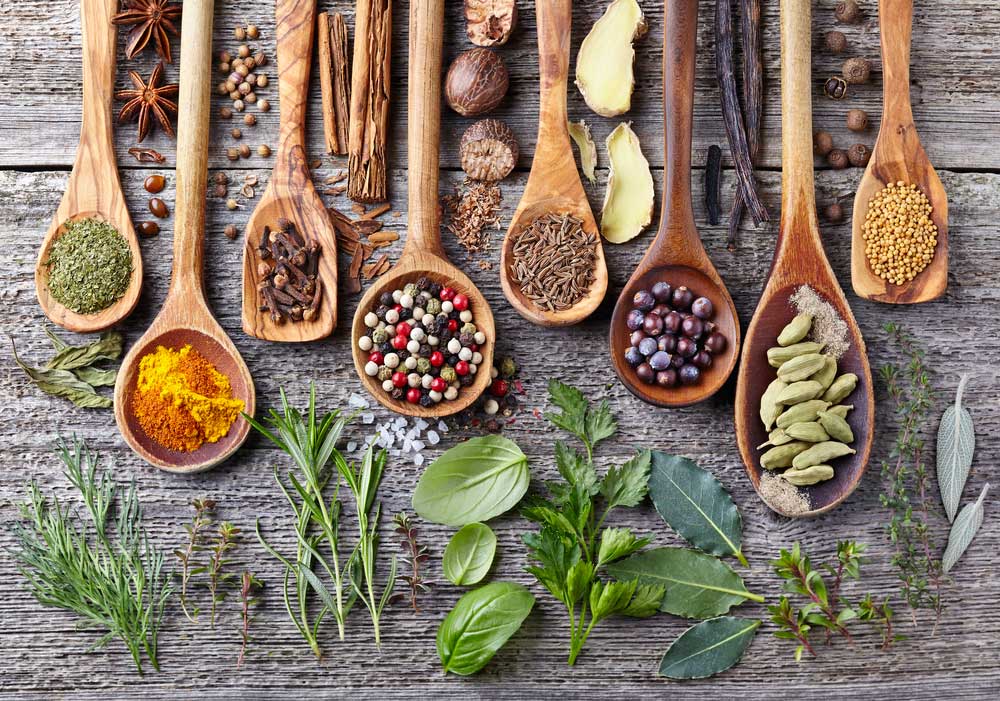
Top 33 Most Powerful Healing Herbs and Plants + Their Benefits
37




