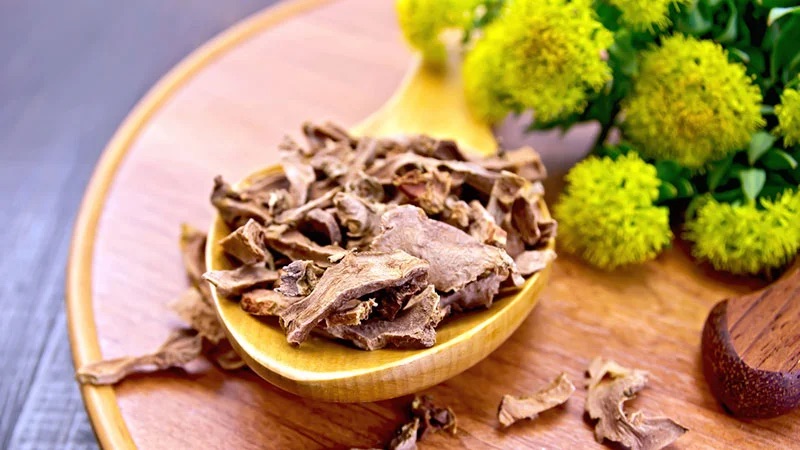
Rhodiola rosea (R. rosea), also known as golden root, is an adaptogenic plant with extraordinary fat-burning power, energy enhancement, and brain stimulation. Adaptogens, including rhodiola, are a group of plants that can help your body adapt to physical, chemical, and environmental stress. Rhodiola is one of the most effective in this family, due to its content of active compounds such as rosavin, which has the ability to help balance the stress hormone, cortisol.
This unique plant, which is a member of the Rhodiola genus in the Crassulaceae family, grows at high altitudes in the Arctic regions of Asia and Eastern Europe. Rhodiola rosea has been part of traditional medicine systems practiced worldwide, especially in certain areas of Europe, Asia, and Russia, for many centuries. Historically, rhodiola has a long history of use in traditional Chinese medicine, particularly for improving resilience and reducing stress. Vikings also used rhodiola to enhance physical strength.
Researchers have extensively studied the benefits of rhodiola over the past 70 years, especially for improving work performance and endurance while combating insomnia, fatigue, anxiety, and depression. It has also been used to detoxify the body, fight cancer, and assist in treating tuberculosis.
What is Rhodiola Rosea?
Rhodiola rosea is a stress-fighting supplement that goes by several names, including Arctic root, rose root, king’s crown, and golden root.
As an ergogenic and adaptogenic aid, or a natural plant-based product that is non-toxic in normal doses and has a normalizing physiological effect, rhodiola is very useful for improving both physical and mental energy as well as combating the negative effects of stress. It helps the body adapt to stress by reducing or preventing hormonal changes related to prolonged stress. Research suggests that some of the ways it does this are by acting on beta-endorphins and opioid neuropeptides to increase stress tolerance and positively affecting other stress adaptation factors.
Rhodiola has been shown to have at least four major health benefits. The main uses of rhodiola include:
- Helps lower the stress hormone, cortisol
- Combats depression and improves brain function
- Supports weight loss and helps burn visceral/abdominal fat
- Increases energy and athletic performance while simultaneously reducing mental and physical fatigue
Studies have found that Rhodiola rosea contains over 40 types of chemical compounds. The active constituents found in rhodiola that are responsible for its pharmacological effects include rosavin and salidroside. Rosavin is the only unique constituent for R. rosea in the Rhodiola plant family, while salidroside is common to most other Rhodiola species.
Rosavin is found in higher concentrations than salidrosides, with a ratio of approximately 3:1 in R. rosea. Animal studies have shown that rosavin contributes to the benefits of rhodiola, having effects similar to antidepressants, adaptogens, anxiolytics, and stimulants.
5 Benefits of Rhodiola Rosea
1. Helps Burn Belly Fat
One of the many incredible features of rhodiola is that it helps your body burn stored fat more efficiently as fuel. We all know that exercise, especially interval training, increases fat loss, but if you want an extra advantage, consider taking rhodiola alongside regular exercise to accelerate your weight loss efforts.
Certain animal studies have found evidence that Rhodiola rosea may reduce visceral white adipose tissue and can increase hypothalamic norepinephrine to help prevent diet-induced obesity.
It has been shown that the most active compound in Rhodiola, rosavin, triggers a fat-burning response. Since it helps normalize cortisol levels, rhodiola can also reduce cravings for unhealthy foods and delay fat accumulation, which is linked to high cortisol levels (especially fat around the abdomen).
Rosavin acts by stimulating an enzyme called hormone-sensitive lipase, which has the ability to break down fat stored in adipose tissue (in the abdominal area). Some sources suggest that if you combine taking rhodiola extract with moderate exercise, abdominal fat breakdown increases even more.
2. Increases Energy and Athletic Performance
Research suggests that if you are looking for a natural way to increase energy and enhance athletic performance, then rhodiola may be for you. Today, one of the most popular uses of rhodiola is for increasing energy, endurance, and strength.
Rhodiola can help increase your endurance by increasing the number of red blood cells in the blood and reducing oxidative damage. Red blood cells (RBC) transport oxygen to muscles, and a higher number can significantly improve an athlete’s performance and help delay fatigue.
According to a study published in the International Journal of Sports Nutrition and Exercise Metabolism, rhodiola has anti-inflammatory benefits that help with rapid muscle recovery and improve endurance. Another study conducted on rats found that rhodiola supplementation could increase endurance, allowing the animals to swim 25% longer. Improvements occurred because it was found that rhodiola increases ATP synthesis, which is essential for cellular energy.
3. May Help Combat Physical and Mental Fatigue
You don’t have to be an athlete to experience the benefits of rhodiola. Not only can it help reduce physical fatigue, but it can also decrease mental fatigue and symptoms such as brain fog or lack of concentration. Rhodiola is often used to help people overcome exhaustion from exercise or low-intensity but frequent activities. Whether you are a stay-at-home parent, a business executive, or a student, you will be happy to find that rhodiola has been shown to have the ability to improve work performance and help reduce the effects that sleep deprivation can have on your body.
According to author and naturopath Tori Hudson, rhodiola can be prescribed to patients for various reasons, including helping to treat adrenal fatigue, chronic fatigue, poor recovery from workouts, and issues with physical/athletic performance.
4. Helps Reduce Cortisol
One of the main reasons people turn to adaptogenic herbs like rhodiola is to help balance cortisol levels, which can be beneficial for alleviating symptoms related to stress. Rhodiola can be helpful in calming your body when your nervous system goes into fight or flight mode due to everyday stress.
When cortisol hormone levels remain elevated for a long time, such as due to emotional or physical stress, it can lead to stress-related symptoms such as:
- Decreased blood sugar response
- Increased abdominal weight
- Thyroid issues
- Hormonal imbalance
- Memory decline
- Weakened immunity
Maintaining balanced cortisol levels can improve health in many ways, especially when it comes to feeling younger and more energetic. Elevated cortisol levels over a long period can contribute to accelerated signs of aging, higher psychosocial stress levels, poorer cognitive performance, atrophy of brain structures related to memory, weight gain, and burnout.
5. May Help Combat Depression and Improve Brain Function
Another amazing benefit of supplementing with rhodiola is that it has been shown to help improve cognitive function and serve as a natural remedy for depression.
Rhodiola may help increase the sensitivity of neurons (brain and nervous system cells), including the two neurotransmitters serotonin and dopamine. These neurotransmitters are known for enhancing concentration, memory, pleasure, and overall mood improvement, making them very important for preventing anxiety and depression. In animal studies, rhodiola has been shown to help repair damaged neurons in the hippocampus, a region of the brain considered to be the center of emotions, memory, and regulation of the autonomic nervous system.
Many doctors in functional medicine prescribe rhodiola as an effective natural alternative to antidepressant medications. This works because rhodiola can increase sensitivity to dopamine, which has been shown to improve mood and also helps combat food cravings and addictions.
In a clinical trial with 150 participants suffering from depression, participants were given Rhodiola rosea for one month. By the end of the trial, two-thirds of the group had complete remission of depression symptoms, and daytime fatigue improved significantly.
Here’s what you need to know about supplementing with rhodiola:
As a dietary supplement, rhodiola root extract is usually taken in capsule or tablet form. You can also take it as a tincture.
Look for Rhodiola rosea as an SHR-5 extract (or an equivalent extract) that contains approximately 3% rosavins and 1% salidroside.
The recommended supplemental dosage of Rhodiola rosea extract (containing rosavin) is approximately 250-700 milligrams total per day (usually divided into 1-2 doses).
Randomized controlled studies have examined a range of doses of rhodiola for treating conditions such as depression and fatigue. Many use R. rosea extract in doses ranging from 350 to 1500 milligrams daily. It has even been shown that doses of up to 8300 milligrams/day help reduce fatigue. It is recommended not to take more than approximately 700 milligrams per day without first consulting a doctor or being monitored.
To assist with weight loss, studies have found that taking a combination of C. aurantium (bitter orange) and R. rosea helps best prevent obesity and health issues caused by overeating. Ashwagandha and rhodiola for weight loss also appear to be effective.
Ideally, rhodiola should be taken about 15 minutes before meals. Higher doses should be divided into two to aid absorption (such as one dose before breakfast and one before dinner).
According to ancient practices of traditional Chinese medicine and Ayurvedic medicine, herbs, roots, and mushrooms are better absorbed when taken with a warming plant (such as black pepper or chili) and with healthy fat. Rhodiola supplement blends that contain these types of ingredients may be absorbed more effectively, although this has not been studied in detail.
How to Prepare Rhodiola Rosea Tea:
Another way to benefit from rhodiola is to drink Rhodiola rosea tea, traditionally used to help calm nerves, reduce anxiety, and promote restful sleep. To prepare rhodiola tea, you will first need to obtain dried and ground rhodiola roots.
Start by soaking about five grams of rhodiola roots in water. Make sure the water is not too hot. For best results, soak the plant for about four hours.
To speed up this process, you can also use rhodiola tinctures and liquid extracts, which can be added to warm water with lemon or other herbal teas, such as chamomile or green tea.
Side Effects and Precautions
It has been found that rhodiola is generally well tolerated by most people and, according to some studies, is less likely to cause side effects than prescription medications, such as antidepressants. That said, when rhodiola is taken orally, it may cause side effects such as temporary dizziness and dry mouth. If these adverse reactions persist, you should stop taking rhodiola.
If you are already taking medications and are interested in trying rhodiola as an alternative, it is best to discuss it with your doctor before stopping any medication.




