You may not have heard of dong quai, but this traditional herb has been around for quite some time. In fact, it has been used for thousands of years in traditional Chinese medicine.
Due to its powerful medicinal properties, this herb boasts a long list of health benefits, from improving bone health to reducing menopausal symptoms. Studies suggest it may help alleviate depression, lower blood sugar levels, reduce inflammation, and promote heart health.
For most people, getting their hands on the raw version of this plant might be quite challenging. Fortunately, dong quai is available in capsule, tea, or liquid extract form, making it easy and convenient to incorporate into your daily health regimen.
Nutritional Information
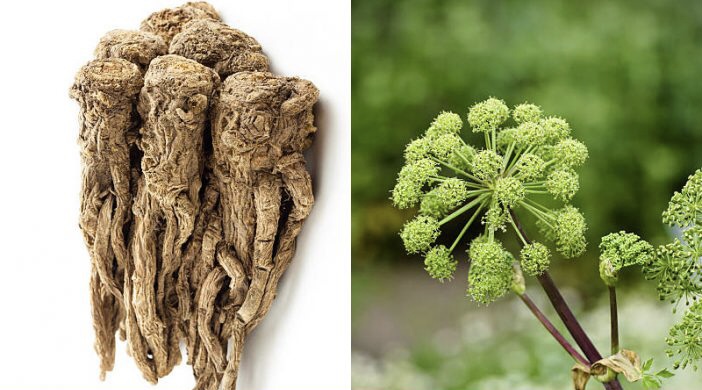
Angelica sinensis, also known as dong quai or female ginseng, is a type of plant belonging to the Apiaceae family. This group of plants also includes parsley, carrots, celery, and coriander.
Dong quai thrives in cooler temperatures and is typically found in the mountainous regions of China, Japan, and Korea.
This plant has been a staple in Chinese medicine for centuries and has historically been used for everything from alleviating depression to treating constipation. Today, it is most commonly used to help balance hormones and reduce menopausal symptoms.
Many of the health-promoting properties of this angelic plant come from the presence of coumarin, a natural compound found in many plants. It also contains other beneficial plant compounds, such as ferulic acid and phytosterols.
Dong quai root is often prepared into a tasty herbal tea. It has a strong, bitter flavor reminiscent of anise.
Additionally, supplements like angelica root or dong quai extract are available to obtain an extra dose of benefits.
6 Benefits of Dong Quai
1. Supports Bone Health
Osteoporosis is a condition characterized by weak, brittle bones and an increased risk of fractures. While this condition can affect anyone, women in their later years are particularly vulnerable.
This is due to menopause causing a decrease in estrogen levels, a hormone important for regulating bone formation.
In addition to addressing some of the more obvious symptoms of menopause, such as hot flashes, dong quai may also be helpful in preventing bone loss due to menopause.
Some research suggests it may help prevent osteoporosis by building and strengthening bones. One study found that treating bone cells with dong quai extract increased bone cell formation.
Another animal study from Korea showed that treating rats with dong quai extract helped maintain bone mineral density.
Along with dong quai, consuming calcium-rich foods, engaging in regular physical activity, and spending a few minutes outdoors each day to get vitamin D can help maintain bone health.
2. May Lower Blood Sugar Levels
High blood sugar levels can lead to symptoms such as frequent urination, concentration problems, and increased thirst.
Studies have found that dong quai has a blood sugar-lowering effect and may help promote normal blood sugar levels, thereby preventing adverse side effects.
Insulin is a hormone responsible for transporting sugar from the blood to cells. When insulin levels remain elevated for long periods, it can lead to insulin resistance. This makes the body less responsive to insulin, resulting in sugar accumulation in the blood.
3. May Promote Heart Health
Heart disease is one of the leading causes of death worldwide. Coronary artery disease is the most common type of heart disease and is usually caused by the buildup of plaque and cholesterol in the arteries, leading to their narrowing and hardening.
Lowering cholesterol levels is an effective way to reduce the risk of heart disease and support better heart health.
An animal study showed that treating rats with dong quai for four weeks reduced total cholesterol levels as well as triglycerides.
Another study found that combining dong quai with huang qi, another medicinal plant, reduced triglycerides, total cholesterol, and LDL cholesterol levels in rats.
Other research has shown that dong quai may even be beneficial for those with high blood pressure, another risk factor for heart disease.
To further enhance the heart health benefits of dong quai, remember to eat a balanced diet and include regular exercise in your daily routine.
4. Reduces Inflammation
During periods of illness or infection, your body often initiates an immune response to help fight off foreign organisms. Inflammation is part of this normal immune reaction. However, chronic inflammation underlies many diseases, including heart disease, diabetes, and cancer.
Some studies have found that dong quai possesses powerful properties that may help reduce inflammation and lower the risk of chronic diseases.
One test-tube study published in Inflammation showed that dong quai extract effectively reduced levels of several different inflammatory markers.
Another study examined the effects of dong quai extract on rats and found that it significantly reduced inflammation caused by spinal cord injuries.
Along with dong quai, a healthy diet rich in antioxidant-rich foods, such as fruits and vegetables, can help alleviate inflammation and have a major impact on your health.
5. Alleviates Menopausal Symptoms
Menopause is a natural decline in the amount of hormones produced by the ovaries as women age. It is common for women around the age of 50 to experience menopause.
The side effects of menopause can include hot flashes, night sweats, breast tenderness, mood swings, and an increased risk of osteoporosis.
To alleviate symptoms, many women turn to hormone replacement therapy, a type of treatment that provides the same synthetic hormones found in contraceptive pills. However, these medications can have their own set of side effects and risks.
Dong quai has a long history as a natural alternative to help alleviate menopausal symptoms.
According to an Italian study, dong quai may have an estrogenic effect and could help regulate hormone levels and alleviate menopausal symptoms without the use of synthetic chemicals.
Another study found that a mixture of dong quai and licorice could reduce the frequency and intensity of hot flashes by up to 96%.
Reducing stress, getting enough sleep, and complementing with other natural remedies for menopause, such as black cohosh or red clover, can provide relief from menopausal symptoms.
6. May Help Treat Depression
Some studies have found that dong quai may have an antidepressant effect and can positively impact your mood.
One animal study induced depression in rats by exposing them to mild stress. In response, the rats exhibited decreased appetite and increased physical inactivity. Interestingly, treating them with dong quai extract altered the activity of a brain protein related to depression and normalized these depressive behaviors.
Another animal study had similar results, demonstrating that a herbal preparation containing dong quai has clear antidepressant properties.
When used alone or in combination with traditional treatments and natural remedies, dong quai may be helpful in reducing symptoms of depression.
History and Interesting Facts
Dong quai has been used in China for thousands of years to help balance hormones, reduce premenstrual symptoms, and increase libido. In Chinese, dong quai means “the return of the soul to its essence.”
Dong quai has also been used in Native American, Ayurvedic, and Kampo medicine as a remedy for conditions such as anemia, heart disease, and elevated blood sugar.
Today, this angelica plant is a common natural remedy worldwide, used to treat everything from depression to menopausal symptoms.
While more research is needed to uncover its full potential as a medicinal plant, some have even touted it as a treatment for menstrual cramps, breast tenderness, and certain skin conditions.
How to Use Dong Quai
Dong quai root is typically harvested and dried, so it can later be sliced into pieces or ground into powder.
The root can be boiled or simmered to infuse its strong flavor into soups, broths, and tonics.
However, it is much easier to find dong quai in supplement form, and due to its growing popularity, you can usually find it at many pharmacies and health stores.
It is most commonly found in capsule form, but it is also available as a liquid extract or dong quai tea.
Dosages generally range from 2 to 4 grams per day, usually divided into two or three doses. However, it is always best to start with a lower dose and gradually increase it to assess tolerance.
Possible Side Effects
Dong quai contains coumarin, one of the main ingredients in blood-thinning medications, such as warfarin. If you are taking warfarin or another blood thinner, taking dong quai may increase your risk of bleeding.
You should also be cautious not to combine dong quai with other natural blood thinners, such as ginger, ginkgo, or garlic. Taking dong quai along with these compounds could increase the risk of bleeding or bruising.
For women who are pregnant or planning to become pregnant, taking dong quai is not advisable and may increase the risk of miscarriage. It should also not be taken by those who are breastfeeding, taking oral contraceptives, or using hormone replacement therapy.
Additionally, some people may be allergic or sensitive to dong quai. If you have a sensitivity to other plants in the same family, such as celery, anise, or coriander, you should not use dong quai.
Side effects of dong quai are rare but may include difficulty breathing, bloating, loss of appetite, nausea, dizziness, or weakness. If you experience these symptoms or any other symptoms, you should immediately discontinue use and consult your healthcare provider.
Dong Quai: 6 Benefits of an Ancient Chinese Remedy and Recommended Dosage
24




