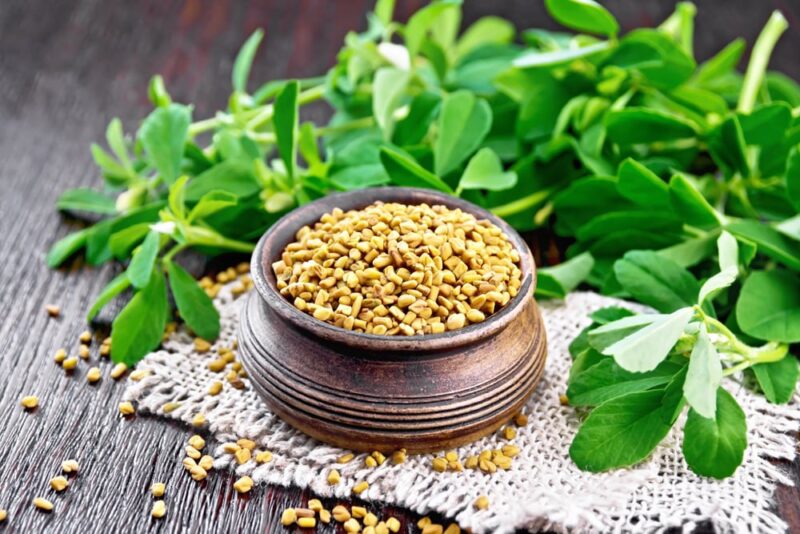
Fenugreek (Trigonella foenum-graecum) is an aromatic plant used since ancient times both as a spice and as a medicinal remedy. Its seeds, which are yellow-brown and have a bitter taste, are rich in fiber, proteins, antioxidants, and active alkaloids. Due to these components, fenugreek is recognized for its ability to balance blood sugar levels and is actively researched in the context of type 2 diabetes and metabolic syndrome. In Ayurvedic medicine, it is used to stimulate digestion and balance blood sugar levels. Currently, more and more modern studies confirm its therapeutic properties, especially regarding blood sugar control and reducing insulin resistance.
Benefits
1. Regulates blood sugar and combats insulin resistance
Fenugreek contains galactomannan, a type of soluble fiber that slows the absorption of sugars in the blood. This action helps prevent postprandial blood sugar spikes (after meals). Additionally, the alkaloid 4-hydroxyisoleucine stimulates insulin secretion from the pancreas. Therefore, individuals with type 2 diabetes may benefit from a long-term reduction in blood sugar levels. Regular use of fenugreek can improve insulin sensitivity and prevent complications associated with diabetes.
2. Reduces cholesterol and triglycerides
Several studies have shown that fenugreek administration can lead to a decrease in total cholesterol, LDL cholesterol (the “bad” cholesterol), and triglycerides. This is due to its high fiber content, which helps eliminate excess fats through the digestive tract. Additionally, the saponins in fenugreek prevent cholesterol absorption at the intestinal level. By reducing these fats, cardiovascular health is improved. Thus, fenugreek becomes an important ally in preventing atherosclerosis and heart diseases.
3. Improves digestion and combats constipation
The soluble fibers in fenugreek form a gel in the intestines that facilitates intestinal transit. This effect is especially helpful for individuals with slow digestion or chronic constipation. Additionally, fenugreek has carminative properties, reducing bloating and gas. By stimulating digestive secretions, it can support nutrient absorption and prevent intestinal fermentation. When consumed regularly, fenugreek contributes to balanced digestion and maintaining colon health.
4. Helps with weight loss
Due to its ability to reduce appetite, fenugreek can be useful in weight loss diets. The fibers and bitter substances induce a lasting feeling of fullness. Additionally, by stabilizing blood sugar levels, it reduces energy fluctuations and the need for snacks between meals. Some studies have shown that supplementation with fenugreek can lead to a lower caloric intake throughout the day. Furthermore, it helps regulate carbohydrate and lipid metabolism.
5. Stimulates lactation in breastfeeding mothers
Fenugreek is a traditional galactagogue, meaning it is a plant that stimulates breast milk production. The active substances act on the mammary glands and can increase milk volume within a few days of administration. Some women report a doubling of milk quantity after just one week of supplementation. However, this benefit should be monitored medically, especially in the case of mothers with diabetes. Administration should be done cautiously and in recommended doses.
6. Has natural anti-inflammatory effects
Fenugreek seeds contain compounds with anti-inflammatory action, such as flavonoids and saponins. These can reduce chronic inflammation, which is involved in numerous diseases, from arthritis to metabolic disorders. Regular consumption of fenugreek can alleviate joint pain and intestinal inflammation. It may also be useful in inflammatory skin conditions, such as eczema. Its anti-inflammatory activity is comparable to that of mild medications, without major side effects.
7. Supports liver health
Fenugreek can help protect the liver from toxins and oxidative stress. Studies have shown a decrease in liver enzyme levels (ALT, AST) following fenugreek consumption, indicating better liver function. Additionally, the fatty acids present in the seeds contribute to the regeneration of liver cells. The plant is useful in conditions such as hepatic steatosis (fatty liver) or non-viral hepatitis. It can be successfully integrated into liver detoxification regimens.
8. Improves libido and testosterone levels in men
Fenugreek contains compounds that can increase natural testosterone levels. Some studies have shown an improvement in sexual desire and performance in men who consumed fenugreek supplements. This is due to the saponins that stimulate hormonal secretion. Additionally, the plant may improve sperm quality and overall energy levels. These effects need to be confirmed by more studies, but current results are promising.
Relevant Studies
A study published in Journal of Ethnopharmacology (2009) analyzed the effect of fenugreek seed extract on blood sugar levels in patients with type 2 diabetes. Participants received 10 g of fenugreek powder daily for 8 weeks. A significant decrease in fasting and postprandial blood sugar levels was observed compared to the control group. Additionally, the level of glycated hemoglobin (HbA1c) was reduced, indicating an improvement in long-term glycemic control.
Another study published in Phytotherapy Research (2011) evaluated the effects of administering 600 mg of fenugreek extract to healthy men for 6 weeks. The results showed a significant increase in free testosterone levels and an improvement in libido. Furthermore, no significant adverse effects were observed, confirming the plant’s tolerability.
Research published in International Journal of Medical Sciences (2017) showed that fenugreek has hepatoprotective effects, reducing oxidative stress induced by paracetamol in rats. The seed extract decreased free radical levels and increased antioxidant enzyme activity. This effect supports its use as an adjunct in liver conditions.
In a pilot study published in Breastfeeding Medicine (2011), mothers who consumed fenugreek tea reported a significant increase in milk production. The volume of milk increased by up to 103% compared to the placebo group. Researchers concluded that fenugreek can be an effective galactagogue, although larger studies are needed for confirmation.
A study conducted on patients with dyslipidemia and published in Indian Journal of Pharmacology (2014) confirmed fenugreek’s ability to reduce triglyceride and LDL cholesterol levels. The effect was observed after 3 months of administering 2 capsules per day, without major side effects.
Contraindications
-
Pregnancy: Fenugreek may stimulate uterine contractions and is contraindicated during pregnancy.
-
Hypoglycemia: Individuals taking antidiabetic medications should consult a doctor, as the plant may potentiate their effects and cause dangerous drops in blood sugar.
-
Allergies: It may cause allergic reactions in individuals sensitive to peanuts or legumes.
-
Drug interactions: It may interact with anticoagulants and hormonal medications.
-
Children: Not recommended for children under 6 years, except on the recommendation of a herbalist.
How to Use
-
Powder: 1 tablespoon per day (mixed with water or yogurt), before meals.
-
Infusion: 1 tablespoon of crushed seeds in 250 ml of hot water, infused for 10 minutes.
-
Fenugreek sprouts: consume raw, in salads.
-
Standardized capsules: according to the instructions on the package, preferably with a doctor’s approval.
Nutritional Table (per 100 g of fenugreek seeds)
| Nutrient | Amount |
|---|---|
| Calories | 323 kcal |
| Proteins | 23 g |
| Total fats | 6.4 g |
| Carbohydrates | 58.4 g |
| Fiber | 24.6 g |
| Iron | 33.5 mg (186%) |
| Magnesium | 191 mg (45%) |
| Calcium | 176 mg (18%) |
| Zinc | 2.5 mg (23%) |
| Vitamin B6 | 0.6 mg (46%) |
Sources
-
Journal of Ethnopharmacology Effect of fenugreek seeds on glycemic control in type 2 diabetes
-
Phytotherapy Research Effects of a standardized fenugreek extract on testosterone levels in men
-
International Journal of Medical Sciences Hepatoprotective potential of fenugreek against paracetamol-induced toxicity
-
Breastfeeding Medicine A pilot study of fenugreek for breast milk production
-
Indian Journal of Pharmacology Hypolipidemic effects of fenugreek in patients with dyslipidemia




