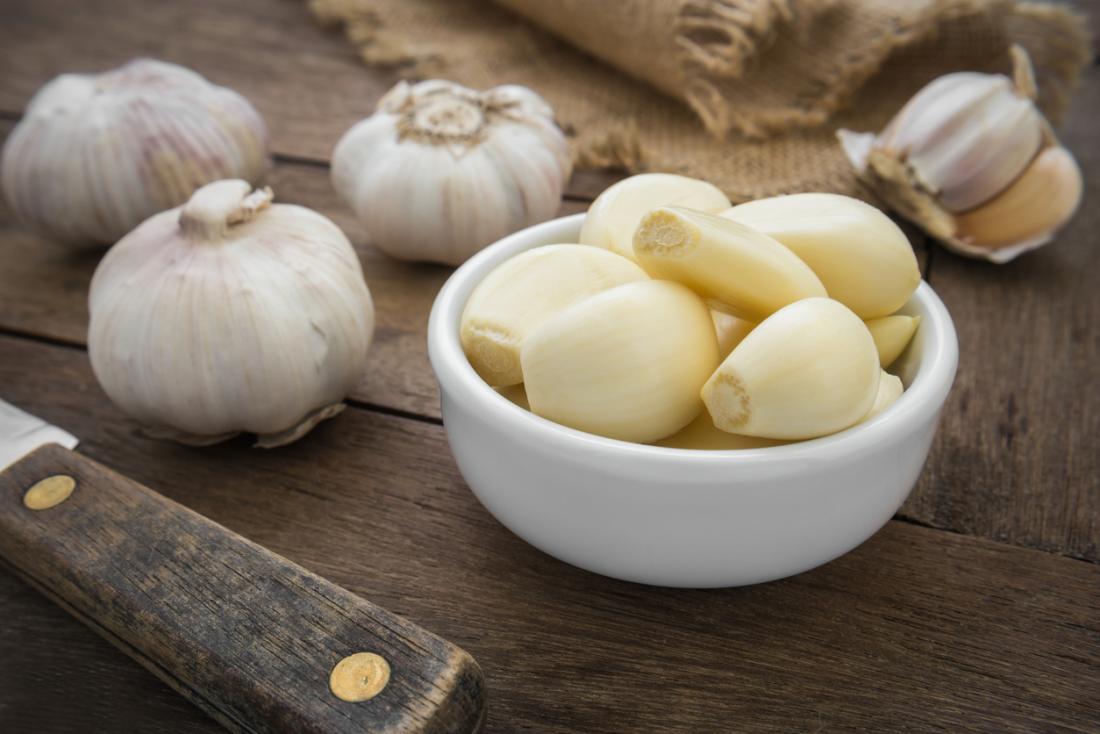
Garlic is widely used as a flavoring in many culinary preparations, but it has also been used as a medicine throughout ancient and modern history. It has been recommended for preventing and treating a wide range of ailments and diseases.
It has been used by people for thousands of years; in Ancient Egypt, it was utilized for both culinary purposes and health benefits.
Richard S. Rivlin wrote in the Journal of Nutrition that the ancient Greek physician Hippocrates (circa 460-370 BC), known today as the father of Western medicine, prescribed garlic for a wide range of conditions and diseases. Hippocrates promoted the use of garlic for treating respiratory issues, parasites, digestive problems, and fatigue. The upper classes, on the other hand, avoided garlic due to their disdain for its strong odor.
Throughout history, in the Middle East, East Asia, and Nepal, garlic has been used to treat bronchitis, high blood pressure, tuberculosis, liver disorders, flatulence, colic, intestinal worms, rheumatism, diabetes, and fever.
Currently, garlic is widely used for various conditions related to the blood and heart, including atherosclerosis (hardening of the arteries), high cholesterol, heart attacks, coronary diseases, and high blood pressure.
It is also used for preventing lung, prostate, stomach, rectal, and colon cancer.
Irritability, anxiety, nausea, migraines, fatigue or agitation, bloating, swelling of extremities, headaches, vision disturbances, swelling and painful sensitivity of the breasts, cramps, anemia, thyroid problems—all can be alleviated with the help of garlic.
People who consumed garlic at least twice a week during a 7-year study had a 44% lower risk of developing lung cancer, according to a study conducted by the Jiangsu Provincial Center for Disease Control and Prevention in China.
Organosulfur compounds found in garlic have been identified as effective in destroying cancer cells. Researchers at the Medical University of South Carolina reported in the journal Cancer that three pure organic compounds from garlic—DAS, DADS, and DATS—destroy brain cancer cells, proving to be very effective. This research highlights the great promise of plant-derived compounds as natural medicines for controlling the malignant growth of human brain tumor cells. Garlic is one of the richest sources of germanium and organic selenium (vital in preventing heart diseases and many forms of cancer). Garlic contains the substance ajoene, which thins the blood, thus preventing potentially dangerous clots.
Diallyl sulfide, a compound in garlic, has been found to be 100 times more effective than two popular antibiotics in combating the Campylobacter bacteria, according to a study published in the Journal of Antimicrobial Chemotherapy.
The Campylobacter bacteria is one of the most common causes of intestinal infections.
Diallyl trisulfide, a component of garlic, helps protect the heart during cardiac surgeries and after a heart attack, researchers at Emory University School of Medicine have discovered. They believe this component could be used as a treatment for heart failure.
When consumed regularly, garlic can heal stomach and intestinal diseases, claims a renowned researcher and expert in garlic therapy. It is known that allicin in garlic stimulates the stomach and intestinal walls to secrete digestive enzymes.
In the presence of garlic, the chances of survival for cold, flu, or viral germs are minimal. Garlic is considered the strongest antibiotic in food form.




