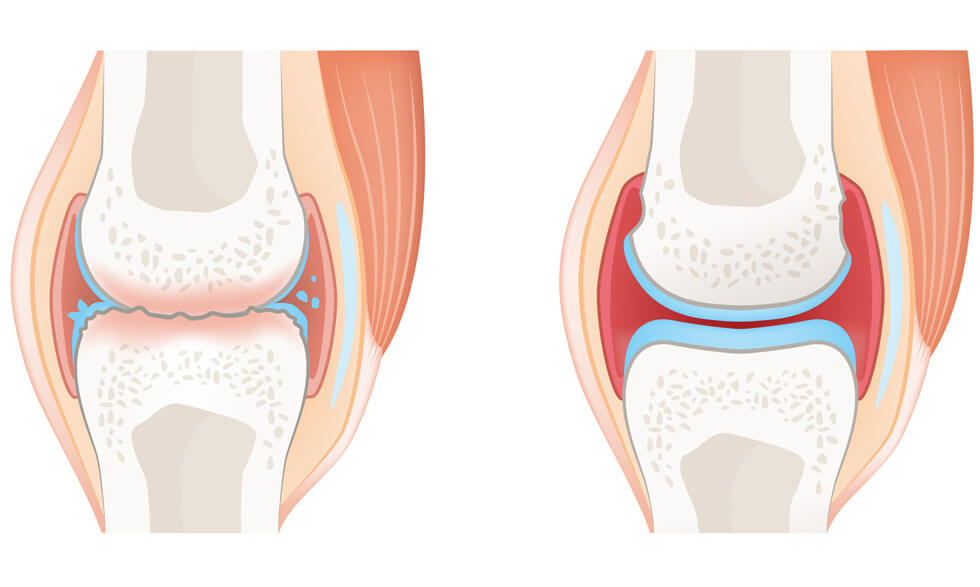
What is rheumatoid arthritis?
Rheumatoid arthritis is a chronic autoimmune disease that affects a person’s joints and causes persistent pain, swelling, stiffness, and limitations in movement. For most people, the symptoms of rheumatoid arthritis tend to worsen when inflammation levels rise. Currently, there is no cure for rheumatoid arthritis, only ways to manage the symptoms. When rheumatoid arthritis is not well managed, complications can develop over time, including significant joint damage, hormonal changes, nerve damage, and dangerous inflammation of blood vessels.
While many adults experience some form of pain and inflammation at some point, rheumatoid arthritis is different because it tends to last for years and usually affects joints on both sides of the body simultaneously (for example, if one hand hurts persistently, a sign of rheumatoid arthritis is pain in the other hand as well). The underlying cause of rheumatoid arthritis is inflammation, which is triggered by autoimmune reactions and leads to joint deterioration over time.
As with other autoimmune disorders, rheumatoid arthritis is caused by a combination of genetic, environmental, and lifestyle factors (including diet and activity level), hormones, and the immune system.
Studies show that people who receive early treatment for arthritis feel better more quickly, have a better quality of life in the long term, and reduce the need for surgical interventions or the risk of complications. While medications are commonly prescribed to people with rheumatoid arthritis, holistic experts today recommend that patients adopt a proactive self-care approach to manage their symptoms, including improving their diet, staying active, and reducing pain naturally. Being proactive about reducing inflammation and other risk factors associated with rheumatoid arthritis can help improve a person’s quality of life and avoid the risks of side effects that often accompany long-term medication use.
Symptoms and Signs of Rheumatoid Arthritis
The symptoms of rheumatoid arthritis are caused by the loss of cartilage in the joints, inflamed tissue around the joints, and a narrowing of the space between joints due to swelling. The synovial fluid that normally lubricates the joints begins to thicken and swell, while the loss of cartilage leads to increased friction between joints and bones. The result is that the joints become unable to move without problems—weak, stiff, damaged, or unstable—and the cushioning space between bones may become smaller, limiting the range of motion.
The most common signs and symptoms of rheumatoid arthritis include:
Joint pain – Swelling around certain joints lasts for at least six weeks or more. Any joint can be damaged due to rheumatoid arthritis, but the wrists, feet, hands, ankles, and knees are most commonly affected.
Redness, heat, and tenderness near inflamed joints – Pain and tenderness are usually experienced in a symmetrical pattern, meaning that joints on both sides of the body are affected.
Morning stiffness that is usually worse immediately after waking and lasts 30 minutes or more – Some people experience morning stiffness for several hours almost every morning.
Fatigue and muscle aches
Mobility issues, including bending, climbing stairs, walking, or exercising
Loss of appetite or low-grade fever
What causes rheumatoid arthritis?
Rheumatoid arthritis is an autoimmune disease, which means it is triggered by faulty reactions of the immune system that cause certain cells/chemicals to mistakenly attack the healthy tissues of the body. The type of inflammation that causes rheumatoid arthritis develops in the synovial tissue that lines the joint. Destructive chemicals from the immune system wear down the cartilage that normally cushions the space between joints and bones, causing friction and pain.
Why would the immune system attack the body and create inflammation in tissues, including joints? The inflammation associated with rheumatoid arthritis can be triggered by a variety of factors, and risk factors include:
Poor gut health or leaky gut syndrome
A poor diet and food allergies (foods that contribute to inflammation include refined carbohydrates, fried foods, and too much sugar)
Obesity (especially if someone was obese before the age of 55)
Genetic factors (certain genes can affect the immune system)
Toxicity from things like exposure to environmental toxins and endocrine disruptors
Low immune function due to other medical conditions or autoimmune disorders
Smoking
According to the American College of Rheumatology, rheumatoid arthritis can sometimes be difficult to diagnose correctly and differentiate from other autoimmune diseases, as their symptoms can all be similar at times. There is no single test that can be used to diagnose rheumatoid arthritis; rather, a rheumatologist (a doctor specialized in diseases affecting the joints, bones, and muscles) makes a diagnosis by evaluating the patient’s symptoms, medical history, family history, and lifestyle. Conducting a complete medical history, performing a physical examination, and sometimes conducting X-rays or blood tests can help a doctor make a diagnosis.
Natural Treatment for Symptoms of Rheumatoid Arthritis
Doctors practicing conventional medicine typically use a combination of prescription medications such as anti-inflammatories, corticosteroids, biologic agents that alter the immune system, or analgesics to help control symptoms. While these are necessary for some people, natural treatments can also have a huge impact on reducing pain, decreasing swelling, preventing further joint damage, and improving quality of life. Additionally, natural treatments will not cause unwanted side effects, which are common due to the use of arthritis medications, including liver damage, anemia, low platelet count, hair loss, kidney problems, and heart issues.
Here are some ways you can manage the symptoms of rheumatoid arthritis and prevent complications:
1. Eat an anti-inflammatory diet
Foods rich in antioxidants and unprocessed foods help control rheumatoid arthritis. Experts emphasize the importance of a
healthy diet that includes healthy fats such as olive oil and coconut oil, plenty of fresh vegetables and fruits, bone broth, foods rich in sulfur, and naturally rich omega-3 foods (fish and nuts/seeds).
It is also important to avoid foods that trigger inflammation, such as added sugars, synthetic ingredients, hydrogenated/trans fats, fast food, and common allergens like gluten or pasteurized dairy.
2. Stay active
Although rheumatoid arthritis can cause flare-ups of pain along with limited mobility, staying active in general is very important for controlling symptoms and managing joint inflammation. Joint pain associated with rheumatoid arthritis tends to worsen after periods of inactivity (which is why sleep causes morning stiffness), so exercise has many benefits.
The best types of activities or exercises for people with rheumatoid arthritis are those that are low-impact and do not excessively stress sensitive joints, including cycling, walking, water aerobics, and yoga. Your exercise routine should ideally combine some form of aerobic activity with strength training and stretching to improve flexibility, muscle strength, and cardiovascular health.
3. Manage stress and get enough sleep
Getting enough sleep and limiting emotional stress allows the joints to heal best, making these habits particularly important during episodes of increased inflammation, pain, swelling, and stiffness. Fatigue and stressful episodes tend to exacerbate inflammation and can also contribute to complications such as muscle pain, low immunity, infections, overeating, inactivity, and weight gain.
Studies have found that practicing relaxation techniques such as guided meditation, yoga or stretching, deep breathing, guided imagery, and visualization provides better protection against painful episodes, as they help relax muscles, balance hormones, lower cortisol, and strengthen the immune system. In fact, the Arthritis Foundation emphasizes that stress-relief activities, a positive attitude, and receiving support from family/friends have been shown to significantly help patients with rheumatoid arthritis cope with pain.
4. Manage pain naturally
Research shows that natural pain-reduction techniques, including massage therapy, acupuncture, or acupressure, essential oils used on the skin, and heat/cold treatments (such as ice packs or warm compresses) help manage the symptoms of rheumatoid arthritis.
Essential oils for arthritis include ginger, orange, myrrh, cinnamon, and turmeric oils. You can also try using topical treatments on the skin that contain salicylates or capsaicin, which some studies show help reduce joint pain.
5. Reduce inflammation with supplements
Anti-inflammatory supplements that may help reduce arthritis pain include:
turmeric and ginger extract
boswellia/cinnamon
omega-3 fish oils
proteolytic enzymes
glucosamine
MSM




