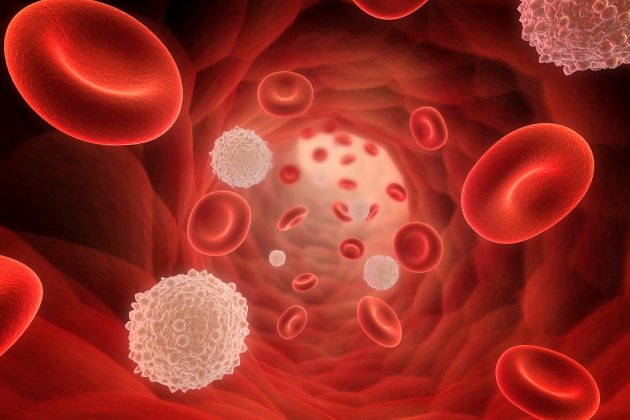
Do you tend to bruise easily and have difficulty stopping the bleeding from cuts? Or perhaps you frequently experience nosebleeds or bleeding gums? If so, there is a risk that you may have a low platelet count.
A low platelet count leads to a condition called thrombocytopenia, which is a problem with the normal clotting of blood. Platelets are responsible for forming blood clots in arteries/veins and stopping bleeding. A low platelet count exposes someone to a higher risk of internal bleeding or other blood clotting issues, and unfortunately, it can sometimes truly affect the quality of life.
Idiopathic thrombocytopenic purpura (ITP) is a type of low platelet count caused by an autoimmune disease that affects how platelets are produced and used in the body. Autoimmune disorders, including arthritis, leukemia, and lymphoma, can trigger ITP, and factors such as medication use and exposure to toxins can also decrease the number of platelets in the blood. Not all patients with a low platelet count have a serious autoimmune disease. Some cases of mild thrombocytopenia are caused by common lifestyle factors, can be treated quite easily, and may not even cause visible signs and symptoms.
Thrombocytopenia varies in terms of the symptoms it causes and how it is managed, depending on how severe the low platelet count is. Some people may simply need to carefully monitor their symptoms and consult with their doctors periodically, while others may need to remain temporarily hospitalized from time to time for emergency care and strictly avoid anything that could trigger bleeding.
As you will find out, there are many different causes of low platelet counts, which can make treating the condition somewhat confusing. But fortunately, most people with mild to moderate thrombocytopenia are able to correct their platelet count quite easily and lead a normal, healthy life simply by modifying their diet and lifestyle.
How to Treat a Low Platelet Count
If you notice that you bruise more easily and bleed for a long time, even after just a minor injury, talk to your doctor to check your platelet count. A diagnosis of low platelet count can be made using several tests: a complete blood count, which measures the levels of all cells/platelets in your blood; a blood smear, which analyzes the actual shape of the platelets; or bone marrow tests and blood clotting tests to check the production and proper functioning of the platelets. You may also need an ultrasound to check your spleen to see if it is enlarged.
Sometimes, thrombocytopenia is only mild and may not even need treatment, as the blood can coagulate normally. Other times, if it becomes severe, your doctor may need to prescribe medications to ensure that your blood can coagulate or may change the medications you are currently taking to stop side effects.
Once a diagnosis has been made, you can use the recommendations below to help increase your platelet count, manage symptoms, and prevent the development of complications:
1. Improve Your Diet
A deficiency in vitamin B12 or folic acid (vitamin B9) can both cause a low platelet count, from mild to moderate. Taking supplements is one way to help resolve this, but the better option is to obtain enough of these nutrients from your diet. Vitamin B12 deficiency is considered one of the most common nutrient deficiencies in the world, and low folic acid content puts you at risk not only for having low platelets but also for facing pregnancy complications, heart problems, and fatigue. Therefore, you should consume foods rich in these vital nutrients:
Some of the best sources of vitamin B12 include beef, chicken liver, salmon, tuna, yogurt, and turkey.
The best foods for folic acid include beans, lentils, spinach, asparagus, avocados, and beets.
Additionally, focus on a balanced, unprocessed diet to boost immunity against viruses or infections and to help your organs detoxify your body from the chemicals you encounter in daily life. Fresh fruits and vegetables are particularly important for meeting your nutrient needs, including leafy greens, berries, cruciferous vegetables, fresh herbs, and spices.
Approximately 40% of people with a low platelet count have reported some improvement in bleeding symptoms and their platelet count after following a healthy diet. These recommendations include consuming more fresh foods, as described above, avoiding packaged/processed foods, and limiting or eliminating dairy products, low-quality meats, and added sugars.
2. Reduce or Eliminate Alcohol and Sugary Beverages
Heavy drinkers have a higher risk of having a low platelet count because alcohol slows down platelet production. According to a report in the journal Alcohol, Health and Research World, heavy alcohol consumption can cause generalized suppression of blood cell production and the production of structurally abnormal blood cell precursors that do not function properly to coagulate blood. Research shows that a percentage of alcoholics have defective red blood cells that are destroyed prematurely, as well as abnormal levels of white blood cells and a higher likelihood of having autoimmune reactions and frequent bacterial infections.
Thrombocytopenia affects up to 80% of alcoholics.
Everyone responds differently to alcohol consumption, so you need to consider your unique situation and medical history to determine how much alcohol your body can tolerate without complications. A general recommendation for healthy adults is to consume no more than one to two drinks per day (one for adult women, two for men), and those with low platelets should drink even less.
Avoiding processed sugary beverages is also helpful, as they tend to contain a lot of chemicals that can disrupt normal platelet production, including artificial sweeteners like aspartame, synthetic colorings, and preservatives.
3. Reduce Exposure to Toxic Chemicals
Chemicals such as pesticides found in non-organic products, mercury from certain seafood, arsenic, and benzene can slow down platelet production. Avoid them as much as possible!
4. Reduce or Stop Using Pain Relief Medications
Over-the-counter pain relievers, such as aspirin and ibuprofen, can thin your blood and affect your platelet levels. While they reduce pain, they can also increase the risk of bleeding disorders when used too frequently. How much is too much? It depends on the person, but if you rely on them almost every day, you may experience adverse reactions.
They may not work as quickly, but you can help manage pain naturally by improving your diet and reducing inflammation. Physical exercise and anti-inflammatory supplements also help, including omega-3 fish oil, turmeric, boswellia, and peppermint essential oil.
5. Take Helpful Supplements and Herbs
In addition to vitamin B12 and folic acid mentioned above to help prevent deficiencies and anti-inflammatories for pain control, there is evidence that people with low platelet counts can also benefit from the following:
Vitamin D plays a valuable role in the function of hematopoietic stem cells in the bone marrow that produce platelets, plus it can help manage autoimmune diseases. Vitamin D is best obtained through sun exposure.
Vitamin K is necessary for proper blood clotting, has anti-inflammatory properties, and has been shown to help control bleeding disorders.
Sea vegetables (chlorophyll/algae/marine algae) help bind heavy metals, can boost immunity, and provide many nutrients that people tend to be deficient in.
6. Protect Yourself from Injuries and Infections
For individuals who have already been diagnosed with a low platelet count, avoiding injuries and infections is important, as both can exacerbate autoimmune reactions, spleen enlargement, and trigger excessive bleeding.
Most experts recommend that people with low platelet counts avoid contact sports, such as boxing, football, skiing, or karate, which can cause bleeding. Protect your spleen by avoiding as much exposure to infections and viruses as possible, which means staying away from sick family members or coworkers and keeping children with low platelet counts out of daycare.




