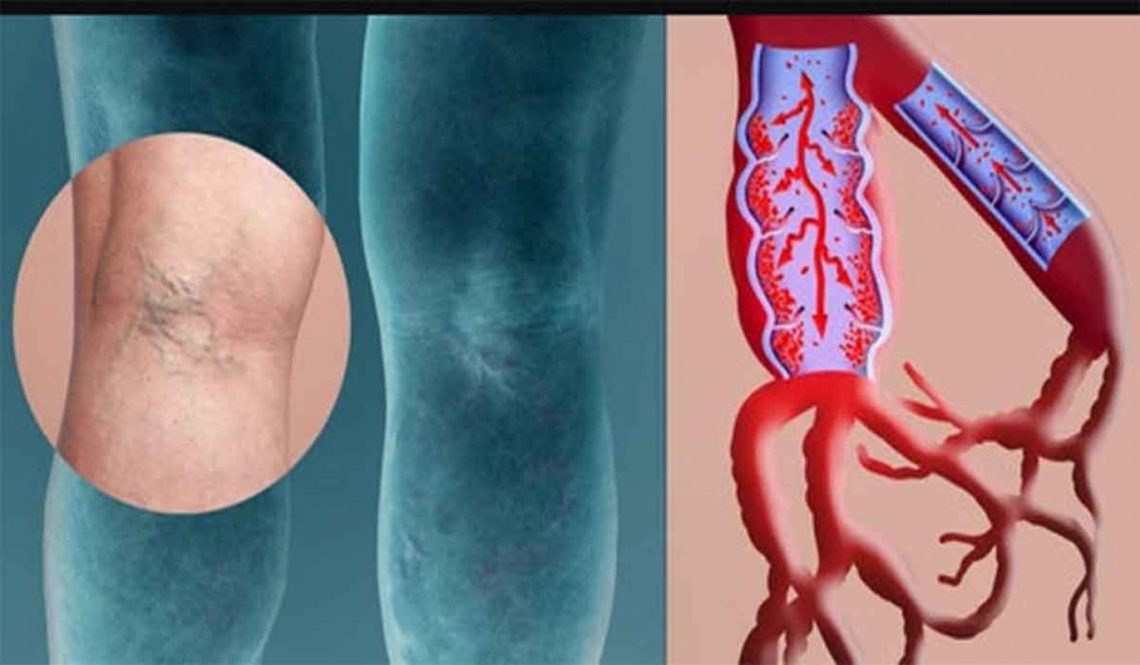
Although the vast majority of cases can be prevented, blood clots are a serious health issue that kills hundreds of thousands of adults each year. In the U.S. alone, up to 300,000 people die each year due to blood clots known as deep vein thrombosis, which occurs when blood thickens and pools, then travels and causes complications such as a stroke.
While sometimes blood clots cause symptoms that are visible enough for a patient to visit a doctor, such as leg pain, the symptoms of deep vein thrombosis can also go unnoticed, which can be very dangerous.
However, your health is still under your control as research shows that certain lifestyle-related risk factors significantly influence the risks of developing deep vein thrombosis, including being overweight or obese, inactivity, smoking, and taking contraceptive or hormone replacement medications. Improving your diet, staying active, losing weight, and controlling blood pressure are crucial in naturally preventing clots and stopping their recurrence.
What is deep vein thrombosis (DVT)?
Thrombosis is the term for a condition that occurs when a blood clot forms in an artery or vein. Deep vein thrombosis (DVT) specifically refers to the type of thrombosis caused when a blood clot develops in a deep vein, most often in the lower leg, thigh, or pelvis. On the other hand, when a clot forms in a vein that is closer to the surface of the skin, this type of thrombosis is called superficial thrombosis.
Compared to superficial thrombosis, DVT is considered to be much more serious and complicated. Superficial thrombosis typically does not cause life-threatening complications (such as a stroke) and often resolves on its own, while DVT clots present more risks.
It is possible for a deep vein thrombosis clot to detach from its initial location and travel through the bloodstream to other areas of the body, including the lungs or brain (this is called embolism). When this happens, either a condition called pulmonary embolism can develop in the lungs, or you could even suffer a stroke if the blood supply to the brain is interrupted.
This is the greatest risk associated with DVT: a clot that moves and forms a blockage in important blood vessels, which can sometimes be fatal. Pulmonary embolism is usually fatal and occurs when a clot is released and blocks the arteries in the lungs.
Causes of deep vein thrombosis
Blood clots are formed from clusters of blood cells called platelets, which everyone has and relies on to survive. Platelets are responsible for helping blood to clot in an injured or damaged artery/vein, so that you do not bleed too much whenever you are injured or operated on.
Platelets stop excessive bleeding and help repair damaged blood cells along with a network of other red blood cells and a type of protein called fibrin. However, this process can sometimes lead to the formation of blood clots, sometimes causing serious symptoms and complications.
Not everyone with a clot experiences visible symptoms or has any idea that they have developed one; however, the clot itself usually causes inflammation, swelling, and localized problems at the site where it forms.
Risk factors that expose you to a higher risk include:
People over 60 years old: Older adults are at a higher risk of having DVT than younger adults. Those over 75 years old are at the highest risk, especially if they are overweight.
Genetic factors: Certain inherited traits can lead to genetic blood clotting disorders or excessive platelet production. This makes the blood clot too easily and increases the likelihood of clot formation.
A sedentary lifestyle: Being inactive for long periods can contribute to blood pooling and clotting. Other lifestyle habits or scenarios that could contribute to thrombosis include avoiding physical exercise, long flights or car rides, sitting at a desk all day, watching television for many hours, and immobilization after surgery, an injury, or another health condition. Research shows that people who have recently suffered injuries or surgeries that prevent them from walking and lead to a more sedentary lifestyle are at a higher risk of having DVT.
History of heart attack or stroke: People who have had a heart attack, stroke, or heart disease are at a higher risk of having clots than those without a history of cardiovascular problems.
Obesity: Although it is unclear why, being overweight or obese has been associated with a higher risk of blood clots, possibly due to how excess fat tissue increases estrogen levels. Estrogen stored in fat tissue can contribute to clot formation, inflammation, and other issues that can trigger DVT.
Pregnancy: Women appear to have a higher risk of developing clots during pregnancy and immediately after childbirth. Reasons for this include increased blood production to support the fetus, increased pressure on veins, changes in blood pressure, and weight gain.
History of cancer and other conditions: Studies have found that a history of certain types of cancer (especially lung, pancreatic, kidney, and ovarian cancer) can increase clotting.
Smoking and drug use: All the risk factors described above for deep vein thrombosis are exacerbated when smoking, using other tobacco products, or using recreational drugs. Tobacco is even more risky when combined with medications that affect blood flow and hormone levels (such as estrogen).
Menopause and hormonal changes: Some research shows that changes in estrogen, including increased estrogen due to contraceptive pills or hormone replacement therapy, can increase blood clotting and cause various cardiac complications. Women in menopause who take medications to replace estrogen are at a higher risk if they smoke, are overweight, and do not exercise.
Signs and symptoms of deep vein thrombosis
Although DVT does not always cause symptoms, some people experience the following:
Redness of the skin, warmth, and swelling around the affected area (including the leg or pelvis). Sometimes the skin appears discolored, and red or dark spots may appear.
Pain and tenderness near the site of the clot. This may develop in one leg or both.
Difficulty walking or moving.
Sometimes peeling or ulcers may form on the affected part of the body.
Symptoms of a blood clot in the leg could be an indication of where a clot is forming, although not always. According to the National Heart, Lung, and Blood Institute, blood clots in the thighs are more likely to rupture and cause complications than blood clots in the lower legs or other parts of the body. If you suspect you have a clot in one of your thighs, inform your doctor immediately and carefully monitor for other symptoms.
Natural treatments for deep vein thrombosis
1. Exercise
A sedentary lifestyle can increase your risk of developing DVT. The best type of exercise plan to keep your heart and veins healthy is one that combines aerobic exercises (such as running, HIIT workouts, or cycling) with resistance training/strength training.
2. Change your medications
Some medications and disorders increase your risk of blood clot formation and can contribute to DVT. These include hormone replacement medications (commonly used by women in menopause or post-menopause), contraceptive pills, blood pressure medications, and cancer treatment medications.
It is a good idea to regularly consult with your doctor to see if your medications can be reduced or if they could contribute to any problems. If you decide to take blood-thinning medications, your doctor will likely want to monitor you to ensure that the dosage is not too high or used for too long.
3. Eat a healthy diet
Following a healthier diet as you age is essential for managing your weight, controlling blood pressure, and maintaining a healthy cardiovascular system. Foods rich in vitamin K, potassium, and magnesium are particularly beneficial for regulating blood flow. Leafy green vegetables, cruciferous vegetables, avocados, sweet potatoes, and bananas are rich in these nutrients. However, keep in mind that vitamin K can interact with blood-thinning medications, so ensure you are monitored if you have been prescribed these.
4. Quit smoking
Smoking cigarettes or using e-cigarettes and other tobacco products are serious risk factors for developing thrombosis, especially when combined with other risk factors such as being overweight.
5. Use compression stockings
Wearing compression stockings can help reduce pressure, swelling, and pain in the affected area where a clot has formed. Keeping the affected area elevated and applying moist heat where it hurts can also help you heal. Compression is also used because reduced pressure decreases the chances of developing another clot in the future and may help you start to be more active.




