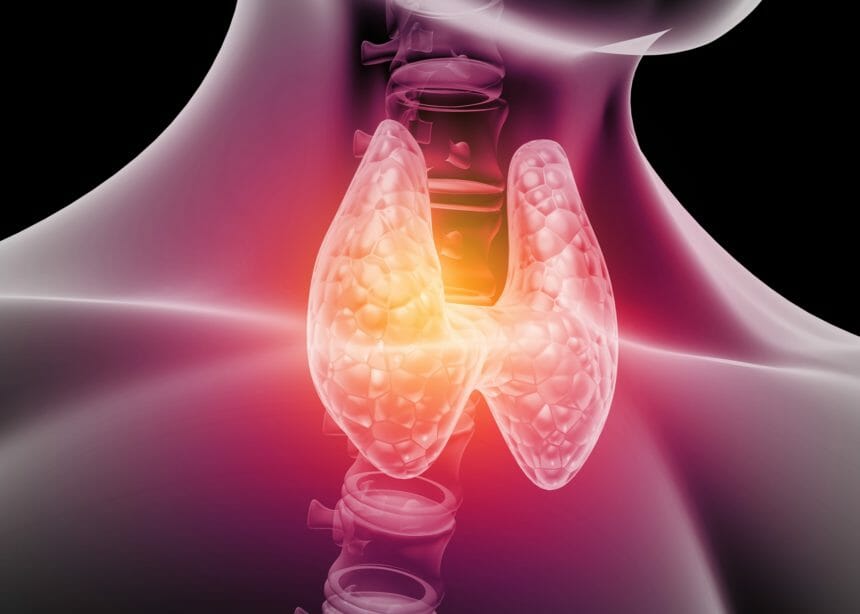
Did you know that there are over 80 different types of autoimmune disorders that affect various organs, glands, systems, and functions throughout the body? Graves’ disease is a common autoimmune disorder characterized by an overproduction of thyroid hormones.
The thyroid is considered one of the most important endocrine glands in the body, as it produces hormones that affect nearly every aspect of life: hunger, sleep, reproduction, energy levels, metabolism, body weight, and many others. You may have heard more about disorders caused by hypothyroidism, as they tend to be more common than hyperthyroid disorders. Hypothyroid conditions cause the thyroid to be underactive, meaning it does not produce enough thyroid hormones.
In the U.S., Graves’ disease is the number one cause of hyperthyroidism or an overactive thyroid gland. So, what is Graves’ disease and how can you treat this common thyroid issue naturally?
What is Graves’ Disease?
Graves’ disease was first identified by Irish physician Robert Graves about 150 years ago. The symptoms of Graves’ disease can vary widely depending on the individual and how severe the disorder has become. Because the thyroid gland has such important and widespread roles in the body, the symptoms of Graves’ disease are usually very evident and can affect overall well-being and health in many different ways. Graves’ disease is an autoimmune disorder that affects the entire thyroid gland and results from the overproduction of thyroid hormones, known as thyrotoxicosis.
In the medical world, an autoimmune disorder is considered a chronic disease that does not have a permanent cure and must be managed over time through various lifestyle changes and, sometimes, medications. The main goal of managing Graves’ disease is to stop the excessive production of thyroid hormones, which helps reduce symptoms, including sleep problems, weight loss, bulging eyes (known as Graves’ ophthalmopathy), and personality changes.
As you will learn, stress management is one of the most important ways to combat autoimmune disorders, as some studies show that up to 80% of patients who develop autoimmune disorders report having experienced significant stress!
It can be difficult to diagnose and treat Graves’ disease, as many people with symptoms of abnormal thyroid activity also present symptoms that can be confused with other disorders.
How Graves’ Disease Develops
Normally, thyroid-stimulating hormone (TSH) is released by the pituitary gland in the brain and usually signals the thyroid to produce hormones. However, individuals with Graves’ disease experience a disruption in the normal communication between the pituitary and the thyroid gland, leading to the release of abnormal antibodies that mimic TSH and, therefore, cause excessive circulation of thyroid hormones in the blood.
These antibodies are called thyroid-stimulating immunoglobulins (TSI) and thyroid receptor antibodies (TRAb). TSI cells have a similar effect to TSH, which we need in adequate amounts to help the thyroid function normally. But TSI antibodies cause the thyroid gland to produce thyroid hormones in excess beyond what is necessary and healthy.
Since the thyroid confuses these antibodies with TSH, they can override the normal signals sent by the pituitary gland and, therefore, can cause hyperthyroidism. As TSI and TRAb levels rise, inflammation increases, indicating that the immune system is working excessively and accidentally attacking the body’s healthy tissue. A damaging cycle can develop in individuals with Graves’ disease, as the more active the immune system becomes, the more tissue is damaged.
We normally produce several different types of thyroid hormones, including those called T3 and T4. In comparison to healthy individuals without autoimmune or thyroid disorders, a blood test in individuals with Graves’ disease shows abnormally high levels of T3 and T4, low TSH, and a high presence of TSI antibodies.
Some of the most visible effects of Graves’ disease are changes in weight, mood, and appearance. This is because the hormones secreted by the thyroid control metabolism—meaning the body’s ability to use nutrients and calories from the foods you consume to have enough energy. You may have also heard that genetics play an important role in determining someone’s body weight. This is because thyroid gland activity is somewhat hereditary, and so is someone’s metabolic rate. Metabolic rate is determined by the amount of circulating thyroid hormones available. So, when the thyroid gland secretes an abundance of these hormones, metabolism can speed up and cause weight loss, anxiety, and irritability.
A link has also been identified between Graves’ disease and another thyroid condition known as Hashimoto’s thyroiditis. Hashimoto’s is the most common cause of hypothyroidism and, like Graves’ disease, is an autoimmune disorder. Hashimoto’s disease can sometimes develop after taking antithyroid medications as treatment for Graves’ disease, as the medication causes the thyroid to slow down hormone production and shift towards hypothyroidism.
Natural Treatment for Graves’ Disease
1. Manage Stress Levels
Several studies involving both humans and animals show that stress can trigger autoimmune reactions and exacerbate inflammation. This is likely why such a high percentage of patients with Graves’ disease report having experienced trauma or chronic stress before developing the disease. Research demonstrates that stress causes both physical and psychological changes that influence how the immune system functions, triggering a cascade of neuro-endocrine changes that can lead to autoimmune disorders and tissue damage.
Stress can increase cortisol and adrenaline levels, which disrupt neurotransmitter function and worsen thyroid disease symptoms. To prevent stress from exacerbating Graves’ disease, incorporate stress-reducing practices into your daily routine, including natural remedies for stress relief such as: exercise, meditation, prayer, spending time in nature, using essential oils, massage therapy, acupuncture, or volunteering for a good cause.
2. Eat an Anti-Inflammatory Diet
Reducing inflammation through a healthy diet is one of the best ways to improve immune function, create a healthy gut environment, and manage autoimmune symptoms. Inflammation can be partially traced to an unhealthy gut microbiome, which is caused by nutrient deficiencies, food allergies, or sensitivities, all of which increase autoimmune activity.
3. Exercise
Exercise is an excellent way to help control stress and reduce inflammation, as long as it is enjoyable and does not involve overtraining, which can make you even more irritable. Engage in some form of daily exercise that makes you feel happier, less anxious, and hopefully helps you sleep better. Calming exercises that can work well include dancing, yoga, cycling, or swimming. Listening to music while exercising is another great way to get into the zone and feel more relaxed afterward.
4. Quit Smoking
Smoking and exposure to tobacco and other recreational drugs have been shown to be potential triggers for autoimmune disorders, including Graves’ disease. It is unclear how these substances might worsen Graves’ disease, but it is likely due to the high amounts of toxins present in cigarettes (and other drugs) that increase inflammation, damage healthy cells and tissues, and therefore activate the immune system to release more T-cells.
5. Reduce Exposure to Environmental Toxins
Most of us come into contact with various chemical or environmental toxins multiple times each day. There are over 80,000 chemicals and toxins legally used each year in household or beauty products, chemically sprayed crops, prescription medications, contraceptive pills, and antibiotics.
It is recommended to buy organic products as much as possible, use natural household products (including essential oils), avoid unnecessary medications, and drink high-quality water that has been filtered to remove chlorine and fluoride.
6. Address Eye and Skin Sensitivity
A complication that can arise with this disease is Graves’ ophthalmopathy, also known as Graves’ orbitopathy, which causes bulging eyes and can lead to vision problems. It can also cause dry, swollen eyes. Try using a cold compress on your eyes to keep them hydrated, as well as applying lubricating eye drops. Always wear sunglasses when outdoors, as sensitive eyes are more prone to damage from ultraviolet rays. If your eyes become swollen overnight, try elevating your head while you sleep to prevent blood and fluid accumulation around the face.
If Graves’ disease affects your skin, you can use soothing essential oils combined with coconut oil to combat itching, swelling, and redness. Gentle and anti-inflammatory essential oils include lavender, chamomile, rose, and tea tree oil.
7. Talk to Your Doctor About Potential Complications of Graves’ Disease
There are certain complications that can develop when Graves’ disease is left untreated. This is especially true if you are pregnant, have other forms of inflammatory diseases, or suffer from another autoimmune disorder.
While you can do a lot on your own to reduce the risks and symptoms of Graves’ disease, always ensure that you seek professional help if you notice that symptoms suddenly worsen or if you are under significant stress/anxiety, which can trigger a relapse. Fortunately, when treated properly, Graves’ disease does not cause permanent damage and does not lead to other disorders.
Signs and Symptoms of Graves’ Disease
Some of the most common signs and symptoms of hyperthyroidism caused by Graves’ disease include:
- mood changes, including irritability and anxiety
- muscle pain and weakness
- weight loss despite normal or increased appetite
- sleep problems, restlessness, and sometimes insomnia
- rapid heartbeat
- sensitivity to heat and temperature changes
- digestive issues, including diarrhea
- tremors in the hands or fingers
- increased sweating or warm, moist skin
- enlargement of the thyroid gland (goiter)
- irregular menstrual periods
- erectile dysfunction or decreased libido
- changes in skin texture, including thickening of the skin on the lower legs or red swelling (known as Graves’ dermopathy or pretibial myxedema)
- ocular problems, including bulging eyes (known as Graves’ orbitopathy or Graves’ ophthalmopathy), which affects a significant percentage of Graves’ patients (some studies show between 30% and 80%)
- eye pain, red eyes, light sensitivity, or vision loss (a less common complication than bulging eyes)




