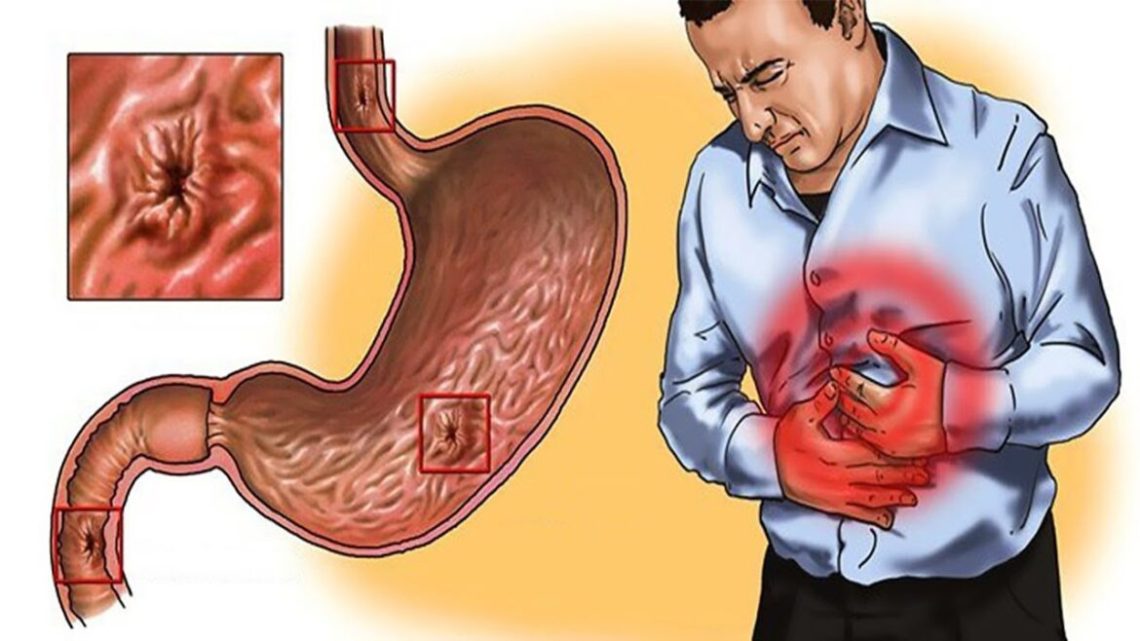
Gastritis is an inflammation of the stomach lining that can be triggered by diet, stress, or infection with Helicobacter pylori. Although many plants are reputed to be natural and healthy, some can aggravate the symptoms of gastritis due to their irritating, acidic, or stimulating effects on gastric secretion.
Plants to Avoid in Gastritis
1. Raw Garlic and Onion
Although considered medicinal foods, raw garlic and onion can irritate the gastric lining. The sulfur compounds they contain stimulate acid secretion and can cause a burning sensation.
- Especially in individuals with hyperacid gastritis, frequent consumption of raw garlic can exacerbate inflammation and discomfort.
- Cooking (boiling or baking) significantly reduces irritation, but it is advisable for sensitive individuals to avoid them in raw form.
2. Hot Peppers and Spicy Plants
Capsaicin, the active compound in hot peppers, has an irritating effect on the stomach walls.
- Studies show that, although in small doses it may stimulate local circulation, in individuals with gastritis it can provoke inflammatory reactions and epigastric pain.
- Spices derived from them (hot paprika, curry, black pepper) should also be avoided.
3. Ginger
Ginger is valued for its anti-inflammatory properties, but in acute gastritis or hyperacid forms, it can be problematic.
- A study published in Journal of Ethnopharmacology (2018) showed that ginger extracts can increase gastric acid secretion.
- Regular consumption can exacerbate pain and reflux in individuals with sensitive gastric mucosa.
4. Mint
Mint is commonly used for digestion, but it can relax the lower esophageal sphincter, facilitating acid reflux.
- Gastroenterologists recommend avoiding mint tea in individuals with gastritis associated with gastroesophageal reflux.
- Replace it with milder plants, such as marshmallow or calendula.
5. Green Coffee and Caffeinated Plants
Plants containing caffeine—green coffee, black tea, concentrated green tea, guarana, yerba mate—stimulate acid secretion.
- Caffeine and theobromine increase hydrochloric acid production, which is aggravating for inflamed mucosa.
- Even decaffeinated coffee can be problematic due to its natural acids.
6. Citrus Fruits and Acidic Plants
Fruits and plants with high acidity (lemon, orange, grapefruit, hibiscus) can irritate the gastric walls.
- Excess vitamin C, although beneficial for immunity, becomes an irritant for sensitive mucosa.
- Hibiscus tea, often recommended for blood pressure, is contraindicated in gastritis.
7. Horseradish and Black Radish
Both contain strong volatile oils that can cause gastric pain.
- A study from Phytotherapy Research (2016) confirmed that these compounds intensely stimulate gastric secretion.
- They should be avoided in acute gastritis and even in active chronic forms.
8. St. John’s Wort
Although it is a plant with calming properties, in large doses it stimulates bile and gastric secretion.
- It can cause gastric irritation reactions in individuals with increased acidity.
- If necessary, it should be administered only in combination with gastric protective plants (licorice, marshmallow).
Relevant Studies and Research
- Journal of Gastroenterology and Hepatology (2020) showed that plants with sulfur compounds (like garlic) can aggravate gastric inflammation in patients with Helicobacter pylori, increasing the production of inflammatory cytokines.
- Phytotherapy Research (2016) highlighted the irritating effect of volatile compounds from horseradish and black radish on the gastric mucosa.
- Journal of Ethnopharmacology (2018) concluded that ginger, although useful in moderation, stimulates gastric acid secretion.
- World Journal of Gastroenterology (2019) confirmed that caffeinated plants increase the risk of acid reflux and gastritis in predisposed individuals.
- Clinical Nutrition (2021) recommended avoiding spicy and acidic plant foods in patients with active gastritis to reduce symptoms and restore gastric mucosa.
What You Can Consume Instead
Recommended plants for gastritis are those with protective, calming, and anti-inflammatory effects: marshmallow, licorice (in moderate doses), common mallow, calendula, lovage, and plantain. These help regenerate the mucosa and reduce acidity.
General Contraindications
- Avoid consuming irritating plants in concentrated forms (juices, tinctures, capsules).
- Do not mix stimulating plants (ginger, hot peppers, green coffee) with gastric protective plants—the effects may cancel each other out.
- Individuals taking antacids or proton pump inhibitors should consult a doctor before consuming medicinal teas.
- Avoid self-medication with herbal remedies if gastritis is active or recently diagnosed.
Sources
- Journal of Gastroenterology and Hepatology Dietary triggers and gastric inflammation
- Phytotherapy Research Effects of volatile compounds from horseradish on gastric mucosa
- Journal of Ethnopharmacology Ginger extract and gastric acid secretion mechanisms
- World Journal of Gastroenterology Caffeine and gastric mucosal damage
- Clinical Nutrition Dietary management in gastritis: a review of evidence




