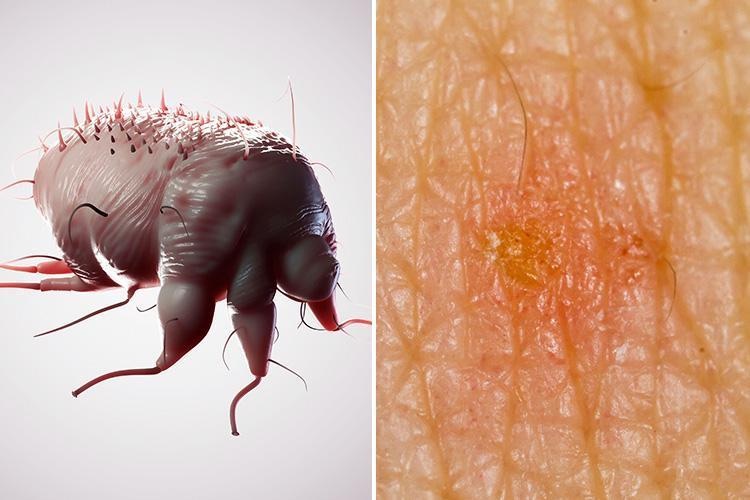
Intense itching, skin rashes, redness, and blisters are not-so-fun symptoms of scabies, a contagious skin disease caused by an infestation of the mite, Sarcoptes scabiei.
It is estimated that approximately 300 million cases of scabies occur each year worldwide! It spreads extremely quickly through tactile contact.
If you have ever had scabies, you know how annoying and disgusting it can be. The good news is that there are natural remedies for scabies and skin rashes that are not only effective but also help maintain skin health. We will explore the symptoms and causes of scabies, along with the best natural treatments for this uncomfortable condition.
What is Scabies?
Because it can spread easily from one person to another, scabies has caused epidemics in hospitals, nursing homes, and residential units.
The mites that cause scabies are tiny female parasites with eight legs, measuring only 1/3 of a millimeter in length. They burrow into the skin and cause severe itching, worsening overnight. When they are under the skin’s surface, they create a tunnel and begin to lay eggs. The eggs then hatch, and the mite larvae make their way to the skin’s surface. This can be dangerous as the larvae begin to mature and spread to other areas of the body.
Itching occurs because the body has an allergic reaction to the mites, their eggs, and their waste. Scabies mites can only be seen crawling on the skin’s surface or on clothing and furniture with a magnifying glass or microscope, which can complicate diagnosis.
There are medicated creams and oral treatments for scabies that have proven to be effective. Sometimes, the first treatment does not work, and in the meantime, the mites continue to spread in the body and at home. Further treatments are necessary, and informing close contacts is crucial to prevent the spread of the infestation.
Natural remedies, such as cayenne pepper and tea tree oil, have been shown to reduce pain and help eliminate scabies infestation. Additionally, there are some important recommendations to prevent future infestations and keep your immune system functioning well.
7 Home Remedies for Scabies
1. Cayenne Pepper
Cayenne pepper benefits those with scabies as it can be used to alleviate the pain associated with the condition. Cayenne contains capsaicin, a chemical that reduces pain sensations when applied to the skin. Capsaicin can also relieve itching by desensitizing the skin’s neurons. However, a study found that it can cause a burning sensation experienced by 30% of patients when using capsaicin topically.
There are even claims that applying cayenne pepper to the skin can kill scabies mites. There are no studies to support these claims, but many people dealing with scabies have attested to cayenne pepper’s ability to kill parasites when applied topically.
One way to use cayenne is to add a cup of pepper to hot bath water, soak in the bath until the water cools, and then rinse your body. Be sure not to get it in your eyes, as it can sting. You can also create a paste with cayenne and one or two tablespoons of water. Apply the paste locally to the affected skin area.
2. Tiger Balm
Tiger balm is a topical cream used to reduce inflammation and relieve muscle aches and pains. It acts as a pain reliever because it contains camphor and clove oil. Tiger balm will not kill the mites and will not cure the infestation, but it will provide some relief during the waiting period after conventional treatment.
3. Anise Seed Oil
According to a scientific review published in Herbal Medicine: Biomolecular and Clinical Aspects, 2nd Edition, oil extracted from anise seeds exhibits insecticidal activity. It can be used topically to treat scabies as well as head lice. It is not recommended for pregnant women to use anise oil.
4. Neem Oil
Neem oil is known to kill scabies mites and prevent their ability to grow and reproduce. Neem alleviates pain and relieves itching, making it perfect for treating scabies symptoms.
A study conducted in India evaluated 814 patients with scabies who used a paste made from neem oil and turmeric for treatment. Healing was achieved within three to 15 days in 97% of cases, and no toxic or adverse reactions were observed. Researchers claim this is a safe, effective, inexpensive, and readily available alternative.
5. Clove Oil
Clove oil has analgesic, antimicrobial, and anti-inflammatory properties. It can be used to dry out blisters and skin rashes associated with scabies.
A 2010 study tested the ability of clove oil to treat scabies mites collected from pigs and rabbits. Biological analysis results showed that clove oil is highly toxic to scabies mites, killing them within an hour of contact.
Combine 10 drops of clove oil with a tablespoon of honey and a tablespoon of coconut oil. Rub onto the affected area twice a day.
6. Rosemary Oil
The uses and benefits of rosemary oil include its potential power to stop scabies infestations. Additionally, rosemary oil reduces pain and prevents the development of secondary infections. A study conducted at Northeast Forestry University in China found that when combined, rosemary and cloves exhibit significant antimicrobial activity.
7. Tea Tree Oil
Tea tree oil combats scabies mites and parasites when applied topically. It contains terpenoids, antimicrobial constituents capable of healing scabies both above and below the skin.
A study published in Archives of Dermatology found that tea tree oil, with its main active component being oxygenated terpenoids, can be a new topical treatment for scabies. Treatment with tea tree oil was very effective in reducing the survival times of mites when tested on a 20-year-old woman with crusted scabies. Within three hours of collection, the scabies mites were placed in direct continuous contact with the tea tree oil product and began to die within five minutes.
Symptoms of Scabies
From the moment of infestation, it takes about four to six weeks for scabies symptoms to appear, especially if you have never had scabies before. The most common symptom of scabies is a skin rash with small red bumps and blisters that affect only certain areas of the body.
The mites actually feed on dissolved tissue, not blood, and the most common areas of distribution are the fingers, wrists, armpits, abdomen, buttocks, and groin area. In infants and children, the most common places of infection include the scalp, face, neck, palms of the hands, and soles of the feet.
It is important to contact a doctor as soon as you notice these rashes and symptoms of scabies. Although many skin conditions are associated with itching and small bumps on the skin, including dermatitis and eczema, your doctor can help establish accurate diagnoses and start immediate treatment.
Underlying Causes of Scabies
Direct skin-to-skin contact for 15-20 minutes is necessary to transfer scabies mites from one person to another. In fact, sexual contact is the most common form of transmission.
According to a 2009 study published in Dermatologic Therapy, other common factors include:
- Overcrowding
- Poor hygiene
- Poor nutritional status
- Lack of shelter
Precautions to Take When You Have Scabies
1. Treat all family members and close contacts
2. Wash bedding and clothing
3. Vacuum furniture and carpets
4. Stay in a confined area to avoid contaminating many objects
5. Avoid scratching the skin
6. Try to minimize stress
7. Eat a healthy diet
When dealing with scabies, it is important for your body’s immune system to be prepared to work hard. Some of the best foods to add to your diet include leafy greens, beets, nuts, blueberries, salmon, coconut oil, and bone broth.




