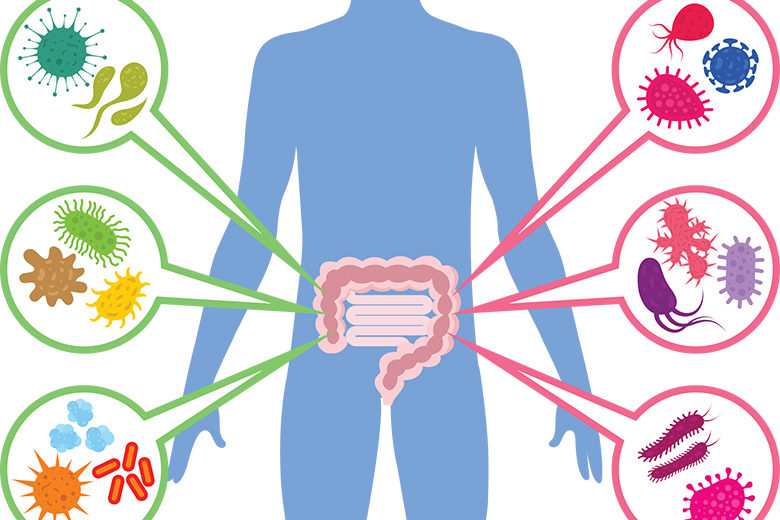
As more and more people are affected by poor dietary choices, chronic stress, toxic overload, and bacterial imbalance, it seems that the prevalence of leaky gut may reach epidemic proportions. The medical profession is just now agreeing on the existence of this condition, which is particularly surprising considering that intestinal permeability (another name for leaky gut) has been discussed in medical literature for over 100 years!
Why should you be concerned about leaky gut syndrome? In recent years, leaky gut has been labeled a warning sign for autoimmune diseases.
In this article, we provide a brief description of the common symptoms of leaky gut syndrome observed in individuals struggling with this condition. We also recommend a four-step process to help promote healing, including foods to eliminate from your diet and beneficial supplements to add.
What is leaky gut syndrome?
The father of modern medicine, Hippocrates, said: All diseases begin in the gut. More than two millennia after his death, scientific research has shown that he was right.
For over three decades, study after study (there are now several thousand articles) has discussed our increasing understanding of immunity, gut function, and how modern diets and lifestyles negatively contribute to overall health, affecting the digestive system.
In medical literature, leaky gut is also referred to as increased intestinal permeability.
What happens when you have leaky gut?
The intestines are protected by a single layer of specialized epithelial cells that are tightly bound together by junction proteins. As explained in a 2020 review, the symptoms of leaky gut are a consequence of the dysfunction of intestinal junction proteins.
These proteins serve as a gateway between the intestines and the bloodstream. They control what is allowed to pass into the bloodstream from your digestive system. More than 40 different junction proteins have now been recognized as playing a role in gut health.
Tight junction proteins have very precise activity. They must maintain a delicate balance between allowing vital nutrients to enter the bloodstream while simultaneously preventing the passage of xenobiotics (disease-causing substances such as toxins and bacteria) from the digestive system into the rest of the body.
Symptoms (plus related conditions)
According to a review focusing on peer-reviewed research about intestinal permeability (among other sources), chronic hyperpermeability can be linked to numerous symptoms and health conditions, including some autoimmune diseases.
What are the symptoms of leaky gut? Some of the most prominent signs that you may have this condition include:
- Gastric ulcers
- Joint pain
- Infectious diarrhea
- Irritable bowel syndrome
- Inflammatory bowel diseases (Crohn’s, ulcerative colitis)
- Excessive growth of bacteria in the small intestine
- Celiac disease
- Esophageal and colorectal cancer
- Allergies
- Respiratory infections
- Acute inflammatory conditions
- Chronic inflammatory conditions (such as arthritis)
- Thyroid disorders
- Metabolic diseases related to obesity (fatty liver, type II diabetes, heart disease)
- Autoimmune diseases (such as lupus, multiple sclerosis, type I diabetes, Hashimoto’s, and many others)
- Parkinson’s disease
- Chronic fatigue syndrome
- Tendency to gain weight or obesity
It is possible that leaky gut does not directly cause any of these conditions, but individuals with gut issues are more likely to have a range of other health problems. So, while scientific evidence has not yet demonstrated that intestinal hyperpermeability is actually responsible for these conditions, it suggests that leaky gut and other dysfunctions tend to occur simultaneously.
Some of the issues that may develop due to intestinal dysfunction include:
1. Food sensitivities
Some researchers suggest that intestinal hyperpermeability may cause the immune system to produce excess antibodies, which can make some individuals more sensitive to antigens in certain foods (especially gluten and dairy). Allergies are considered one of the most common symptoms.
2. Inflammatory bowel disease
Researchers have found that increased intestinal permeability is often localized in the colon in individuals suffering from irritable bowel syndrome and ulcerative colitis. As early as 1988, scientists suggested that Crohn’s disease may be a higher risk for individuals with leaky gut.
3. Autoimmune disease
The key to understanding how leaky gut can trigger autoimmune diseases lies in research conducted on a protein known as zonulin. According to an article published in the journal Physiological Reviews:
Zonulin is the only physiological modulator of tight intercellular junctions described to date that is involved in the trafficking of macromolecules and, therefore, in the balance of tolerance/immune response. When the finely regulated pathway of zonulin is disrupted in genetically susceptible individuals, autoimmune, inflammatory, and neoplastic disorders can arise both intestinally and extra-intestinally.
Researchers at the University of Maryland have found that gluten activates zonulin signaling, regardless of the genetic expression of autoimmunity, leading to increased intestinal permeability to macromolecules.
4. Thyroid problems
One of the autoimmune diseases that leaky gut can directly affect is Hashimoto’s disease. Also known as chronic thyroiditis, this disorder manifests with hypothyroidism (low thyroid function), impaired metabolism, fatigue, depression, weight gain, and a range of other conditions.
5. Nutrient malabsorption
Patients suffering from leaky gut often exhibit various nutritional deficiencies, including vitamin B12, magnesium, and digestive enzymes. These common nutritional deficiencies are one of the reasons many doctors prescribe multivitamins and probiotics.
6. Inflammatory skin conditions
Described for the first time over 70 years ago, the gut-skin connection theory shows how increased intestinal permeability can lead to a multitude of skin conditions, particularly acne and psoriasis. Creams and medications with long lists of side effects (sometimes dangerous) are often prescribed for these skin conditions, but there is evidence from several decades that part of the root cause may lie in the gut.
7. Mood disorders and autism
According to a study published in the journal Neuroendocrinology Letters, intestinal permeability has been shown to contribute to various neurocognitive disorders. For example, the inflammatory response characteristic of intestinal hyperpermeability triggers the release of pro-inflammatory cytokines and other chemicals believed to induce depression.
A study published in the journal Nutritional Neuroscience described the vicious cycle between immune system deficiency and increased dysbiosis leading to gut loss and the production and absorption of neurotoxic xenobiotics.
The authors continue to describe the conclusions of several studies that indicate their theory that autism may be connected to microbiome issues, especially in the first year of life. This is actually a common hypothesis in modern science.
Causes
What is the main cause of leaky gut? As explained above, it occurs when certain tiny particles that should not be able to enter the bloodstream start to make their way through due to dysfunction of the intestinal mucosal barrier.
There are also commonly occurring anomalies in the gut resulting from antimicrobial molecules, immunoglobulins, and cytokine activities. This presents a major problem, as the vast majority of your immune system is located within the gut (sometimes referred to as the microbiome).
The result is a disruption of acute inflammation and sometimes autoimmune reactions. A normal part of your immune response that serves to combat infections and diseases can become excessively active, leading to chronic inflammation, which is at the root of most diseases.
Some of the underlying causes of leaky gut include:
- Genetic predisposition
- Poor diet, especially one that includes allergens and inflammatory foods, such as added sugars, GMOs, refined oils, synthetic food additives, and alcohol.
- Chronic stress
- Toxin overload. This includes chronic stressors such as high drug and alcohol consumption. We come into contact with over 80,000 chemicals and toxins each year, but the most damaging offenders that cause gut loss include antibiotics, pesticides, tap water, aspirin, and NSAIDs. It is recommended to buy a high-quality water filter to remove chlorine and fluoride and to seek natural herbs to reduce inflammation in the body.
- Bacterial imbalance, also known as dysbiosis, which means an imbalance between beneficial and harmful bacteria in the gut. A large body of evidence now shows that gut microbiota is important in supporting the epithelial barrier and preventing autoimmune reactions. At least 10% of all gene transcripts found in intestinal epithelial cells related to immunity, cell proliferation, and metabolism are regulated by gut microbiota.
How to Heal Leaky Gut
There are several tests available for leaky gut syndrome that can help confirm a diagnosis and guide you in the right direction for treatment. Tests are useful for identifying specific sensitivities and discovering what types of toxins or deficiencies contribute to your symptoms.
Available tests include:
- Zonulin or lactulose tests
- IgG food intolerance test
- Stool tests
- Vitamin and mineral deficiency tests of organic acids
- Lactulose-mannitol test
What treatments for leaky gut are available?
The basic steps for healing leaky gut are as follows:
- Identify the foods and factors that damage the gut.
- Replace them with an anti-inflammatory diet.
- Repair the gut with specific supplements for leaky gut, such as butyrate.
- Rebalance your microbiome with probiotics (beneficial bacteria). This is essential, as the bacteria in your microbiome are a major component of the intestinal barrier. They help promote resistance to the colonization of harmful or pathogenic bacteria by competing for nutrients. The microbiota also regulates digestion and nutrient absorption and helps provide energy to epithelial cells.
Two of the most common questions people ask are:
What can I eat if I have leaky gut?
What should I NOT eat when I have leaky gut?
If you are struggling with gastrointestinal issues, start by eliminating processed foods, including refined grains, added sugars, GMOs, refined oils, synthetic additives, and conventional dairy products. A healing diet includes foods such as:
- Bone broth
- Raw cultured dairy (such as kefir, yogurt, amasai, butter, and raw cheeses)
- Fermented vegetables and other probiotic foods. Probiotics can help reverse leaky gut by improving the production of tight junction proteins that work against intestinal permeability.
- Coconut products
- Soaked seeds (such as chia seeds, flaxseeds, and hemp seeds)
- Foods rich in omega-3 fatty acids, especially salmon and other wild fish
- Herbs and spices
- Other anti-inflammatory, nutrient-dense foods such as grass-fed beef, lamb, other fresh vegetables, most fruits, apple cider vinegar, sea vegetables, and other superfoods.




