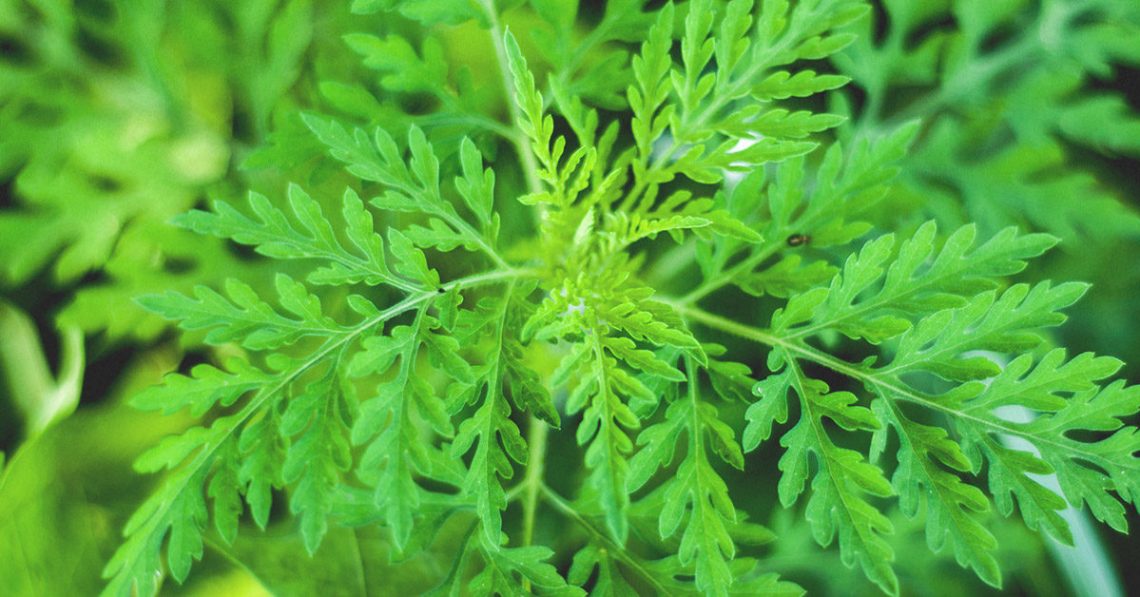
Artemisinin, a treasure from the plant species Artemisia annua, is one of the most frequently prescribed therapies in traditional Chinese medicine. This plant also grows in our regions and is commonly known as sweet wormwood or pelin dulce.
It was first developed as a medication for treating malaria and has since become the standard treatment for the disease worldwide. Today, researchers are exploring its use as an alternative therapy for cancer treatment.
Since it reacts with iron-rich cancer cells to produce free radicals, artemisinin attacks cancer cells while leaving normal cells unharmed. Although more research on the therapy is needed, reports so far are promising.
What is artemisinin?
The plant has been used in traditional Chinese medicine for 2,000 years to treat fever, headaches, bleeding, and malaria. Today, it is used to make therapeutic capsules, teas, juices, extracts, and powders.
Artemisinin is the active component of A. annua and is used as a medication for treating malaria and has been researched for its effectiveness against other conditions, including osteoarthritis, Chagas disease, and cancer.
Cancer Research
Research on artemisinin for cancer suggests that the compound may function as an alternative therapy, but more clinical studies are still needed. What is known so far is that artemisinin can help create free radicals that kill cancer cells in the body.
Some studies even suggest that artemisinin is much more specific in targeting and killing certain cancer cells than other cancer treatments, meaning that normal cells can survive with this method.
Derivatives of artemisinin, such as dimers, trimers, and hybrids, are currently being researched and used as a potential therapeutic alternative to current chemotherapies for combating cancers such as leukemia.
Recent studies show that these derivatives possess both in vitro and in vivo activities against various types of cancer. Its anticancer effects stem from its ability to initiate apoptotic cell death, inhibit cancer proliferation, reduce metastatic growth, and promote the formation of new blood vessels.
Research published in 2021 showed that artemisinin demonstrated therapeutic activity against leukemia, multiple myeloma, and lymphoma cells. Artemisinin-based medications also exhibited good tolerance and few side effects when used in combination with standard chemotherapies.
These benefits have been reported in several cancer cell models, including pancreatic, liver, colon, and prostate cancers.
Other Benefits
In addition to the potential benefits of the plant extract for cancer treatment, artemisinin has been used for thousands of years for other health conditions, including:
1. To Treat Malaria
Artemisinin has been shown to exert antimalarial effects, which are due to its free radical scavenging properties. The plant-based medication reacts with the high levels of iron in the parasite and produces free radicals that destroy the cell walls of malaria.
It has even been proven effective against highly drug-resistant strains of the disease.
2. Reduces Inflammation
The use of artemisinin against respiratory disorders caused by inflammation has been investigated, and reports show that it alleviates inflammation by regulating pro-inflammatory cytokines.
There is evidence highlighting the effects of artemisinin against inflammatory conditions, including Alzheimer’s disease and osteoarthritis.
3. Has Antimicrobial and Antiviral Effects
Secondary metabolites from Artemisia annua, including monoterpenes, sesquiterpenes, and phenolic compounds, exhibit antimicrobial effects.
There is also recent research suggesting that extracts of A. annua inhibit viral infections and may serve as a cost-effective treatment for combating viruses.
Although more research is needed, there are reports indicating that artemisinin may also have the following benefits:
– Reduces cholesterol
– Controls seizures
– Combats obesity
– Fights diabetes
Risks and Side Effects
Research suggests that artemisinin is generally well tolerated, but some individuals may experience adverse reactions, including:
– Nausea
– Vomiting
– Skin rashes
– Dizziness
– Ringing in the ears
– Digestive issues
– Tremors
– Liver impairment
It should not be combined with certain medications. Individuals with gastrointestinal disorders or ulcers should not take artemisinin or use products derived from A. annua. It should also not be taken with anti-seizure medications.
Women who are pregnant or breastfeeding should not use sweet wormwood unless doing so under the recommendation of a healthcare provider.
Supplements and Dosage
Artemisinin supplements are available in many forms. The sweet wormwood plant is used to make teas, juices, and extracts.
The People’s Republic of China lists the daily dose of Artemisia annua for fever and malaria as being 4.5 to 9 grams of dried plant prepared as an infusion. This is the preparation that has been used for clinical studies.
For ready-made supplements, dosages vary depending on what it is used for.
A specific dose for optimal efficacy has not yet been established, but taking 400-800 milligrams per day is often recommended for reducing inflammation, combating fever and malaria, and fighting infections. This dosage range has been shown to be safe for 6 to 12 months, with no apparent side effects from artemisinin.




