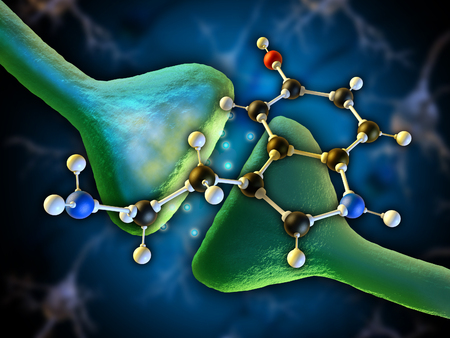
Hormones are the chemical messengers in your body responsible for various bodily functions. However, when the level of a hormone is too low or too high, it can lead to several changes in your body, such as weight gain or acne. Although it is a common issue among women, there are natural ways to treat hormonal imbalance without causing discomfort. In this article, we explore the signs and symptoms of hormonal imbalance, its causes, and some natural remedies you can try at home.
What is hormonal imbalance?
Hormones are the chemical messengers of the body responsible for controlling many major processes, such as metabolism and reproduction. They are produced by the endocrine glands. The three major categories are the thyroid, adrenal glands, and sex hormones, and they all work together. When one of these glands produces too many or too few hormones, it leads to hormonal imbalance in the body, as the other glands must compensate for the level, putting them under pressure and potentially leading to a greater imbalance.
Below are various ways you can treat hormonal imbalance naturally.
How to treat hormonal imbalance naturally
1. Follow a healthy diet, including herbs and dietary supplements
You can include the following foods, herbs, and supplements in your daily diet to combat hormonal imbalance.
A. Coconut oil
Coconut oil contains medium-chain fatty acids that are extremely beneficial for your health and provide essential elements for hormones. These fatty acids help reduce inflammation in your body that may have arisen due to hormonal imbalance.
Coconut oil is excellent for your overall health as it helps you lose weight by boosting metabolism and reducing stress and anxiety.
You will need:
1-2 tablespoons of 100% virgin coconut oil
What to do:
Consume one to two tablespoons of 100% virgin coconut oil 2-3 times a day.
You can either use it in salad dressings and smoothies or replace your cooking oil with it.
B. Avocado
Avocado is a rich source of monounsaturated, polyunsaturated, and saturated fatty acids. These fatty acids have anti-inflammatory properties that can help treat hormonal imbalance. Regular consumption of avocado promotes heart health and provides adequate fiber and nutrients necessary for good health. It can also help reduce weight gain due to hormonal imbalance.
C. Ashwagandha
Ashwagandha is one of the most important adaptogenic herbs that can help you cope with hormonal imbalance. It helps alleviate stress and anxiety, which are major causes of hormonal imbalance.
Ashwagandha treats thyroid hormone imbalance by stimulating thyroid hormone activity.
You can drink tea or take supplements from this herb.
D. Yogurt
Yogurt is a rich source of probiotics that can help repair the intestinal lining and balance hormones. Probiotics are healthy bacteria that your body needs to function properly. A deficiency of these bacteria can lead to digestive issues, inflammation, and hormonal imbalance.
Consume 200 grams of yogurt twice a day.
E. Omega-3 fatty acids
The anti-inflammatory nature of omega-3 fatty acids can work wonders in maintaining hormonal balance. These fatty acids not only reduce inflammation caused by hormonal imbalance but also help alleviate stress and anxiety.
You can consume fatty fish like salmon and sardines or take dietary supplements.
F. Vitamin D
Vitamin D is another important nutrient that actually acts as a hormone in your body. It not only reduces inflammation and balances hormones but also improves overall immunity.
You can take vitamin D supplements or spend 30 minutes in the sun each day. You can also consume cod liver oil or foods like eggs, fatty fish, mushrooms, etc.
G. Vitamin C
Vitamin C is excellent for supporting adrenal health and is therefore a great way to regulate your hormones.
Note
Consult a nutritionist before taking additional dietary supplements.
2. Use essential oils
Using essential oils for a quick massage or diffusing them in your environment is another excellent way to treat hormonal imbalance. If you do not notice an improvement in 3-4 weeks, discontinue and try another essential oil, but do not use too many at once and do not use them indefinitely.
Note: these oils alone may not yield effective results. Along with them, you need to maintain a healthy lifestyle for beneficial results.
A. Sage oil
Sage oil contains phytoestrogens that can help balance hormones like estrogen. It can also help regulate the menstrual cycle and combat anxiety and depression.
You will need:
3-5 drops of sage oil
10 drops of coconut oil
What to do:
Add a few drops of sage oil to a diffuser and let it diffuse in the room.
You can also mix sage oil with coconut oil and gently massage it on your stomach, the back of your neck, and the soles of your feet.
How often:
You should do this daily until you notice an improvement in your condition.
B. Fennel oil
A healthy gut is very important for the healthy functioning of hormonal glands. Regular use of fennel oil can improve your gut health and digestion and reduce inflammation in the gut. This, in turn, helps treat hormonal imbalance.
You will need:
Fennel oil (as needed)
What to do:
Add a drop of fennel oil to a glass of water and consume it. Pay attention to the quality of the oil; always consume certified quality oils!
You can also massage fennel oil on your stomach and the soles of your feet.
C. Lavender oil
Lavender essential oil has the ability to calm you and soothe you with its pleasant aroma. It can promote sleep and treat mood, stress, and anxiety, which are symptoms of hormonal imbalance.
You will need:
3-5 drops of lavender oil
What to do:
Put a few drops of lavender oil in a diffuser and turn it on.
You can also add a few drops of lavender oil to your bathwater.
D. Thyme oil
It is known that thyme oil increases progesterone production and helps treat symptoms of hormonal imbalance, such as infertility, PCOS, stress, weight gain, and insomnia.
You will need:
Thyme oil (as needed)
What to do:
Add 10 drops of thyme oil to your bathwater and relax for 15 to 20 minutes.
Alternatively, you can mix three drops of thyme oil with a few drops of coconut oil and massage it on your abdomen.
3. Exercise and yoga
You will be surprised to find that even simple workouts can be beneficial in combating hormonal imbalance.
Walking in nature can help reduce stress and anxiety. Not only is it great for your overall health, but it also keeps your hormone levels in check.
Aim for at least 20-30 minutes a day.
4. Avoid harmful chemicals
Avoid using anything that contains harmful chemicals. This includes cosmetics and body care products. Remember, your skin will absorb anything you apply to it. Do not use products that contain potentially harmful chemicals, such as sodium lauryl sulfate, parabens, DEA, and propylene glycol. You should also be aware of the effects of any medications or contraceptive pills on your health and hormones.
5. Reduce sugar intake
Hormonal imbalance is the result of many factors, one of which is excessive consumption of refined sugar. When you consume more sugar, the pancreas secretes more insulin. High insulin levels can lead to excessive testosterone production, which can prevent normal ovulation. High insulin levels are responsible for fat storage and weight gain. Therefore, it is best to reduce your intake of refined sugar to keep your hormones well balanced.
6. Get enough sleep
It is very important to rest enough and sleep every day. Disrupted sleep patterns can cause hormonal imbalance and suppress ovulation. This can lead to other symptoms associated with hormonal imbalance, such as stress, anxiety, and depression.
A combination of the above methods helps restore hormonal balance.
How do you know if you have a hormonal imbalance? Check for the following signs and symptoms:
Signs and symptoms of hormonal imbalance
Hormonal imbalance is characterized by a wide range of signs and symptoms, depending on which hormones or glands are not functioning correctly.
The symptoms of hormonal imbalance are usually different for women, men, and children. Some signs and symptoms that are common to both men and women include:
Fatigue
Weight gain
Increased sensitivity to cold or heat
Constipation or diarrhea
Bloating or dry skin
Unexplained and sudden weight loss
Weight loss
Weak muscles
Increased thirst and frequent urination
Pain or stiffness in joints
Thin and brittle hair
Depression
Decreased libido
Anxiety
Infertility
Sweating
Blurred vision
What causes hormonal imbalance?
Common causes of hormonal imbalance include:
A poor diet leading to nutrient deficiencies, especially minerals, vitamin C, and B vitamins.
Diabetes
Hypothyroidism
Hyperthyroidism
Hypogonadism
Thyroiditis
Hormonal therapy
Tumors
Certain medications
Stress
Eating disorders
Injuries or trauma
Cancer treatments
Menopause
Pregnancy
Breastfeeding
Polycystic ovary syndrome
Contraceptive pills
Primary ovarian insufficiency
Hormonal imbalances can trigger many health problems. They can arise from poor diet, health conditions, pregnancy, breastfeeding, and stress. Treating hormonal imbalance is necessary to maintain overall health. You can achieve this by including certain herbs and supplements in your routine. Regular use of essential oils, practicing yoga, regular exercise, and avoiding harmful chemicals play a major role in treating hormonal imbalance in the body. Additionally, getting enough sleep and reducing sugar intake will also help manage hormonal imbalances.




