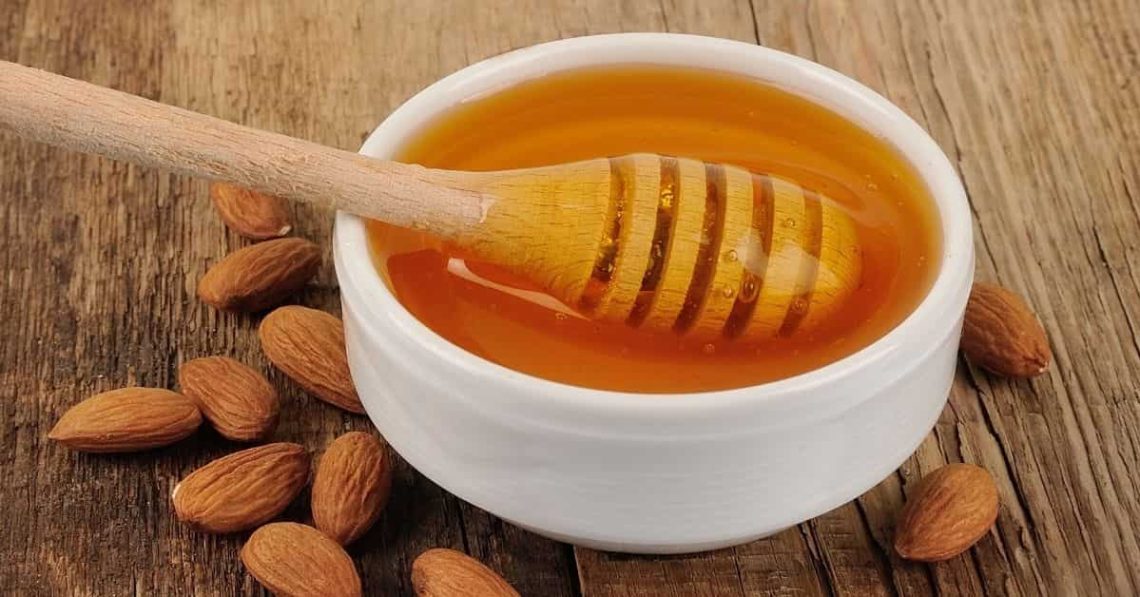
Consuming almonds with honey may seem like a sweet treat, but it could be a healthy way to improve cholesterol profiles. Two new studies suggest that honey and almonds each have special properties that can help protect against heart disease.
However, this does not mean you should overindulge in honey and nut-laden desserts like baklava in hopes of lowering cholesterol. Instead, researchers say that honey and almonds should be gradually incorporated into your diet, replacing other calorie-dense foods, to gain the most benefits without adding extra pounds.
In the first study, researchers from the University of Illinois at Urbana-Champaign found that honey contains approximately the same level of antioxidants as many fruits and vegetables, such as spinach, apples, bananas, oranges, and carrots.
Study author Nicki Engeseth, PhD, states that adding small amounts of honey could enhance the effects of an already heart-healthy diet and help maintain cholesterol levels in check.
People could replace sugar with honey, and this could contribute a significant amount of antioxidants to the daily diet, says Engeseth.
In fact, Engeseth and her colleagues discovered that consuming a mixture of about 4 tablespoons of honey with 450 ml of water improved antioxidant levels in the blood. Researchers say this is the first time it has been shown that honey has a healthy antioxidant effect in humans.
A previous laboratory study conducted by the same research team found that dark honey generally has the highest concentrations of antioxidants. Their findings were presented at the annual meeting of the American Chemical Society.
In another study, Canadian researchers found that consuming almonds can significantly lower so-called bad cholesterol.
While previous research has shown that nut consumption can reduce the risk of heart disease, it was not clear how many nuts one should eat to gain benefits. In this study, researchers tested three diets on 27 men and women with high cholesterol over a period of three months.
For one month, participants consumed a large dose of almonds (about 2 handfuls), which represented just under a quarter of their total daily calorie intake. In the following month, they consumed a smaller dose (one handful) of almonds. In the final month, they ate a low-fat whole grain muffin that had the same amount of calories, protein, and fats (both saturated and polyunsaturated) as the almonds.
After comparing cholesterol levels during and after each diet, researchers found that LDL levels were reduced by an average of 4.4% with the smaller almond portion and by 9.4% with the larger portion. The study was funded by the Almond Board of California.
“We were quite impressed,” says study author David JA Jenkins, MD, director of the Clinical Nutrition and Risk Modification Centre at St. Michael’s Hospital in Toronto, in a press release.
Additionally, the ratio of good LDL cholesterol to HDL cholesterol decreased by nearly 8% for the smaller portion and by 12% for the full portion by the fourth week. This means that almonds had a positive effect on LDL cholesterol without reducing HDL levels.
In contrast, cholesterol levels did not change significantly after the muffin phase.
Nuts are a good source of protein and contain no cholesterol, but the American Heart Association emphasizes that they can do more harm than good if added rather than replacing other foods in the diet, as they are high in fats and calories.
Other nuts, including walnuts, pecans, peanuts, macadamia nuts, and pistachios, have also been shown to lower cholesterol. Jenkins states that while there is not enough research to say that all nuts are equal in health value, almonds have been particularly well-studied.




