Coconut milk is considered a miracle liquid in certain cultures. The benefits of coconut milk include its ability to build the body’s immune defense and prevent diseases.
Although it is true that coconut milk can have more calories than other milk substitutes, coconut milk, along with its close relatives, coconut oil and coconut water, is among the best sources of medium-chain fatty acids. These fats are easily digestible, supporting neurological health and more.
What is coconut milk?
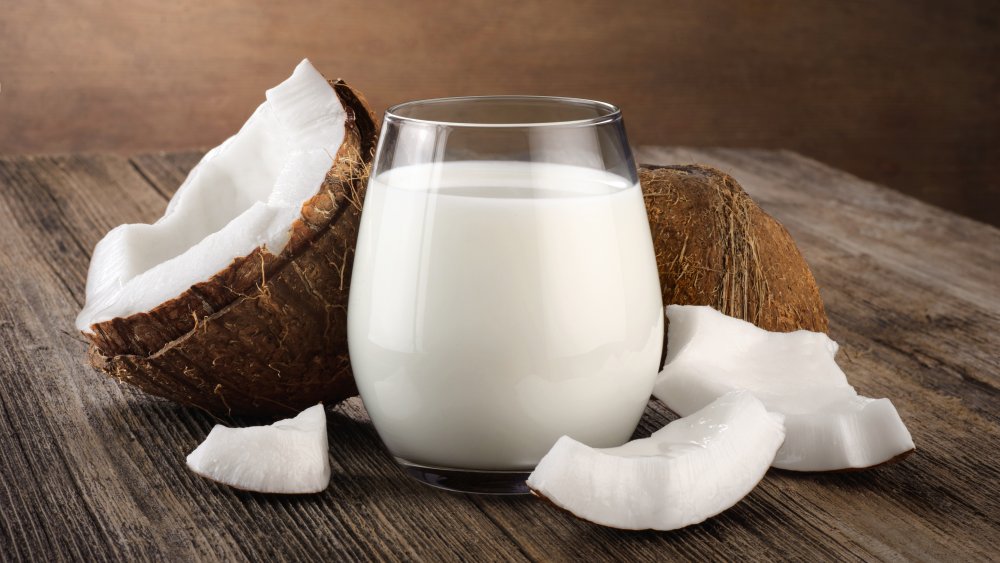
Coconut milk is not actually milk in the sense that you would normally think. It is a liquid that is found naturally inside mature coconuts (Cocos nucifera), which belong to the palm family (Arecaceae).
The coconut (Cocos nucifera L.), which comes from the coconut palm, is considered an economically important plant and is cultivated in tropical countries, especially those located throughout Asia.
The coconut is technically a fruit and unique in that it has a very high fat content and a low sugar content. Coconuts are generally made up of about 51% flesh (or meat), 10% water, and 39% shell. Technically, coconut milk is an oil-in-water emulsion that is stabilized by some proteins found in the fruit. It is also common to add stabilizers to ensure that coconut milk has a smooth texture and lasts longer.
Coconut cream, another way to describe full-fat coconut milk, is stored in the white, hard flesh of the coconut. Sometimes, coconut cream and coconut water are combined to create a smoother and more uniform coconut milk. There is also a low-fat version of coconut milk available, as full-fat coconut milk is very high in calories.
When you blend the flesh of the coconut and then strain it, you get a thicker coconut milk. As the coconut matures, more water from the inside is replaced with coconut flesh. This is why mature coconuts tend to be better producers of coconut milk, while younger coconuts (about five to seven months) are the best producers of coconut water.
Full-fat coconut milk contains all the natural fatty acids, while light coconut milk is strained to remove some of the fat. This creates a thinner milk with fewer calories.
Despite their name, coconuts are technically considered fruits, specifically drupes with a single seed. Some cultures consider coconut palms, which can live for hundreds of years, to be the tree of life. In Sanskrit, the coconut palm is known as kalpa vriksha, which means “the tree that provides everything necessary for living.”
Coconuts are highly valued in Ayurvedic medicine, as almost all parts of the coconut fruit can be used in some way, including the water, milk, flesh, sugar, and oil. In cooking, it is often used in curries, marinades, and desserts.
Nutritional Information
In addition to providing nutrients and a wonderful taste, coconut milk contains beneficial fats called lauric acid. Lauric acid is a medium-chain fatty acid that is easily absorbed and utilized by the body for energy.
The fatty acids in coconuts are primarily saturated fats, but don’t think that they will raise your cholesterol levels and cause heart damage. On the contrary, it is known that they actually do the opposite. Coconut milk can help reduce cholesterol levels, improve blood pressure, and prevent heart attacks or strokes.
Since real, full-fat coconut milk is high in calories, it is better to consume a smaller portion than regular milk or coconut water. About 1/4 to 1/2 cup at a time is best, whether as part of recipes (for example, as coconut cream) or on its own or combined with other flavors (such as in a smoothie).
A cup (approximately 250 ml) of raw coconut milk contains:
552 calories
13.3 grams of carbohydrates
5.5 grams of protein
57.2 grams of fat
5.3 grams of fiber
2.2 milligrams of manganese (110% Daily Value)
0.6 milligrams of copper (32% DV)
240 milligrams of phosphorus (24% DV)
3.9 milligrams of iron (22% DV)
88.8 milligrams of magnesium (22% DV)
14.9 micrograms of selenium (21% DV)
631 milligrams of potassium (18% DV)
6.7 milligrams of vitamin C (11% DV)
1.6 milligrams of zinc (11% DV)
38.4 micrograms of folate (10% DV)
1.8 milligrams of niacin (9% DV)
Additionally, coconut milk contains small amounts of vitamin E, vitamin K, thiamine, vitamin B6, pantothenic acid, choline, and calcium.
Health Benefits
1. Improves heart health by lowering blood pressure and cholesterol
Why is coconut good for your health, despite being high in fat? Coconuts are one of the best sources of lauric acid. About 50% of the fat in coconuts is lauric acid. This type of fat has antibacterial and antiviral activities. According to recent studies, lauric acid is a protective type of fatty acid that has not been associated with negative changes in cholesterol levels and seems to support heart health.
For example, when 60 healthy volunteers were given coconut milk porridge five days a week for eight weeks, researchers found that their low-density lipoprotein (LDL) levels decreased, while their good high-density lipoprotein (HDL) levels significantly increased. They concluded that coconut fat in the form of coconut milk does not have a detrimental effect on the lipid profile in the general population and is, in fact, beneficial due to the reduction of LDL and the increase of HDL cholesterol.
Since coconuts contain important minerals for circulation and blood flow control, coconut milk is also useful for lowering blood pressure and maintaining flexible, elastic blood vessels without plaque buildup. It also helps circulation and keeps arteries relaxed. All of these are important for preventing heart attacks.
2. Enhances exercise performance and helps build muscles
Studies show that medium-chain triglycerides (MCTs), the fatty acids found in coconut milk, actually help increase energy expenditure and even improve physical performance. After exercise, muscles need a lot of nutrients, including electrolytes like magnesium and potassium, which are found in coconut milk, to repair damaged tissue and grow back stronger.
3. Provides electrolytes and prevents fatigue
Although coconut water is a greater source of electrolytes, coconut milk also provides important minerals such as potassium and magnesium, which are necessary for maintaining blood volume, regulating heart health, and preventing dehydration or diarrhea.
4. Energizes the brain
Coconut milk also contains types of MCTs that are easily used by the brain for energy, without needing to be processed through the digestive tract with bile acids like other fats.
Coconut milk is an excellent brain food because the calories from coconut milk provide a quick and efficient source of energy for the brain. The brain is primarily made up of fat and relies on a constant flow of it to function properly.
5. Aids in weight loss
According to a study conducted by the School of Dietetics and Human Nutrition at McGill University in the United States:
Consuming a diet rich in MCTs results in greater fat loss (adipose tissue) compared to long-chain fatty acids, likely due to increased energy expenditure and fat oxidation observed with MCT intake. MCTs can be considered agents that help prevent obesity or potentially stimulate weight loss.
Being a food rich in MCTs, coconut milk can be a very satisfying food that burns fat. Fats are part of a balanced diet. They provide a feeling of satiety and satisfaction. This can help prevent overeating, cravings, and potentially weight gain.
Of course, portion control is important, given the number of calories in coconut milk, but as part of a healthy diet, it provides necessary fatty acids along with other minerals that support weight loss and detoxification. Coconut milk is also hydrating and helps digestive organs, such as the liver and kidneys, function properly. This aids in fat metabolism and the elimination of waste from the body.
6. Improves digestion and alleviates constipation
A well-hydrated digestive tract is important for preventing or treating constipation. Coconut milk nourishes the digestive mucosa due to its electrolytes and healthy fats, improving gut health and preventing conditions such as irritable bowel syndrome.
Coconut milk is completely lactose-free and is less likely to cause indigestion than regular milk, which can trigger lactose intolerance.
7. Manages blood sugar and controls diabetes
The fat content of coconut milk may help slow the rate at which sugar is released into the bloodstream. This leads to better control of insulin levels and prevents high blood sugar or, worse, conditions such as diabetes.
This is one of the reasons why coconut milk is particularly good to add to sweetened recipes, such as desserts. The MCTs in coconut milk are also a preferred source of energy for the body, rather than sugar.
8. Helps prevent joint inflammation and arthritis
Studies suggest that the MCTs in coconut milk have certain anti-aging effects and may help reduce inflammation. Inflammation is associated with painful conditions such as arthritis and general joint or muscle pain.
Coconut milk in place of refined sugar is especially useful for people with arthritis (or other autoimmune conditions) because sugar is pro-inflammatory and is linked to low immunity, pain, and aggravated swelling.
9. Helps prevent ulcers
Researchers have found that coconut milk may help reduce the occurrence of ulcers even better than coconut water.
When patients with ulcers were given coconut milk, they experienced a reduction in ulcer size by about 56%. The study found that coconut milk had protective effects on ulcerated gastric mucus, which can lead to painful ulcers.
Coconut Milk vs. Coconut Water
When you break open a fresh coconut, the white liquid that flows out is natural coconut water. Coconut water usually comes from green, immature coconuts.
Coconut water is higher in sugar and certain electrolytes, especially potassium, while coconut milk is richer in saturated fatty acids (from coconut oil) and calories. Because it is a good source of potassium, coconut water is seen as a natural alternative to sports drinks.
Coconut Milk vs. Almond Milk
Since coconut milk does not contain lactose, it is a good option for anyone allergic to milk and milk from nuts or grains. Additionally, it is vegan and suitable for those who eat plant-based diets. If you prefer the taste, almond milk is a good substitute for coconut milk, as it is also plant-based and lactose-free.
Good quality almond milk offers some (but not all) of the same benefits as whole almonds. For example, if you make your own almond milk by blending and straining almonds in water, you are left with nutrients, including vitamin E, calcium, and polyunsaturated fats.
Almond milk has fewer calories than coconut milk, but it also contains fewer nutrients and generally less healthy fats (especially less lauric acid).
As with coconut milk, it is best to buy unsweetened almond milk without hard-to-pronounce chemical additives.
Buying Recommendations
It is quite simple to make coconut milk at home, but if you prefer to buy a pre-made type, look for the purest coconut milk you can find.
Always read the nutritional label of coconut milk to buy the best quality milk. Look for coconut milk that is organic and does not contain added sugar or sweeteners, preservatives, artificial sweeteners, and that is not pasteurized (a process that can destroy some of the nutrients).
The main ingredient should be 100% coconut milk and may include coconut water. Some companies also add guar gum, which is a natural product used to stabilize texture. Make sure the label indicates that the milk is unsweetened to avoid a total sugar bomb.
A final note: if you buy canned coconut milk, avoid cans made with a chemical substance called BPA. BPA is found in some aluminum cans and has the potential to cause certain health issues when it leaches into food (especially acidic or fatty foods like coconut milk). Look for an indication that the can is made without BPA.
Risks and Side Effects
Coconuts are low-allergen foods, especially compared to dairy products, soy, and nuts. This makes coconut milk a good choice for many people who cannot tolerate other types of milk.
One thing to keep in mind with coconut milk is how much you consume, given its high calorie and fat content. While fat is certainly a healthy type, portion control is important, especially if you are trying to lose weight.
Some of the minerals found in coconut milk may interact with certain health conditions. For example, people with kidney disease need to be careful about how much potassium they obtain from food. However, since coconut milk is not a very high source of potassium, it is not a major risk to drink it.
Coconut Milk Major Health Benefits
32




