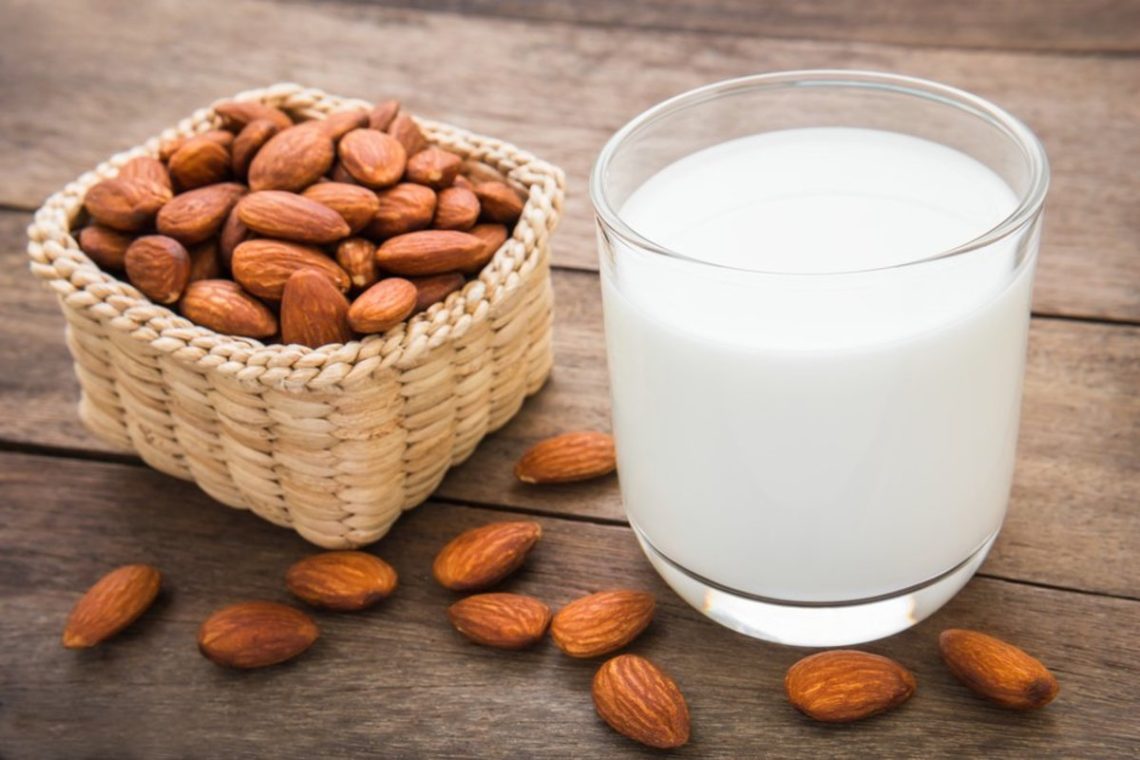
Almond milk is a nutritious and vegan alternative to regular milk. While it offers various health benefits when consumed regularly, there are also certain side effects of almond milk that we should be aware of! Rich in proteins, vitamins, calcium, and important minerals, almond milk can help improve your overall immunity and health. However, there are certain things to consider before consuming almond milk. In this article, we will find out if this nut-based vegan milk is suitable for everyone and how you can avoid potential risks and side effects of almond milk.
Side Effects of Almond Milk
The following ten points indicate some side effects of almond milk:
1. Nut Allergies
2. Effects on the Thyroid Gland
3. High Sugar Levels
4. Possible Issues for Children
5. Milk Allergies
6. Skin Reactions
7. Abdominal Problems
8. Breathing Issues
9. Digestive Disorders
10. Cold-like Symptoms
1. Nut Allergies
Almonds are among the most common allergenic nuts; therefore, consuming almond milk by anyone with nut allergies can lead to facial swelling, nausea, or diarrhea.
2. Effects on the Thyroid Gland
Almonds are a goitrogenic food, meaning they contain substances that can affect the thyroid gland. This can impact the absorption of iodine by the gland and thus lead to its enlargement. An opposing view is that consuming almond milk can boost immunity. However, in light of this side effect, one might be forced to think differently.
3. High Sugar Levels
Almond milk contains sugar, the excess of which can lead to harmful effects on health.
4. Possible Issues for Children
Many people believe that almond milk can ensure the healthy development of a baby and thus nourish them. However, it has been found that while consuming almond milk may not initially impact their health, it could lead to complications later on.
5. Milk Allergies
Individuals who are lactose intolerant may also experience side effects from almond milk if consumed in excess. Such individuals may have allergic reactions after consuming almond milk and, therefore, it is recommended to avoid it altogether.
6. Skin Reactions
Consuming almond milk can lead to skin reactions such as rashes, eczema, and hives. These reactions often occur within 10 minutes to 1 hour after consuming the milk.
7. Abdominal Problems
Individuals who are allergic to nuts may have to deal with abdominal cramps, as it may become difficult for them to digest this milk.
8. Breathing Issues
The side effects of almond milk include breathing problems, such as wheezing and respiratory disturbances. This may be more frequently observed in individuals who are asthmatic or have any other breathing issues.
9. Digestive Disorders
Individuals who cannot digest almond-flavored milk may experience allergic symptoms such as diarrhea or vomiting.
10. Cold-like Symptoms
Nut allergies (including almonds) may also lead to symptoms such as a runny nose, wheezing combined with difficulty breathing. These are more prominent in individuals who have nut allergies; however, they can also be due to other allergies. Therefore, if someone already has such an allergy, almond milk should be consumed with caution.
A delicious beverage like almond milk seems safe and healthy. However, the points listed above tell a different story! Therefore, it is important to consume almond milk with caution and moderation, and not to make it a part of our daily diet without consulting a doctor.
Most foods/substances have possible side effects. Side effects generally occur in a few individuals or with excessive consumption. If you are not allergic and consume in moderation, almond milk is generally safe to drink.




