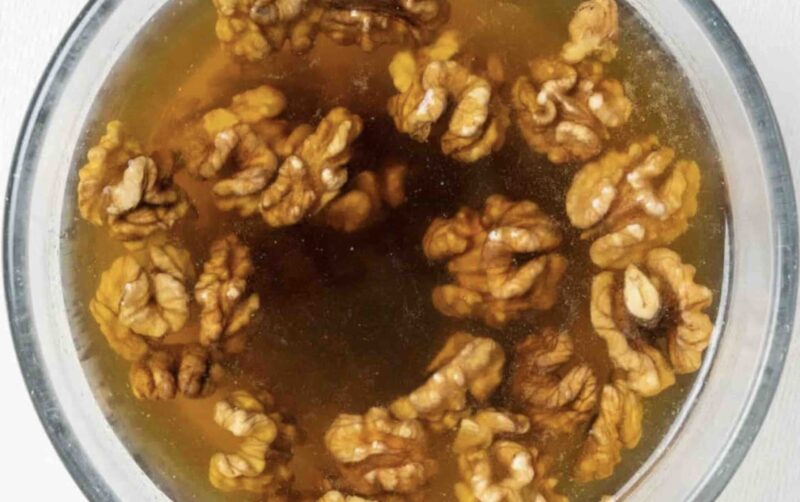
Walnuts are considered a golden food of nature, rich in essential fatty acids, vitamins, and minerals. Less known is the fact that by simply hydrating them, a valuable beverage called walnut water is obtained. This simple preparation, made by soaking walnut kernels in water, makes the nutrients easier to assimilate, and the beverage becomes a true tonic for the body. Used since ancient times in folk medicine, walnut water is gaining more ground in modern nutritionists’ recommendations.
Benefits of Walnut Water
1. Improves Digestion
Walnut water contributes to the activation of digestive enzymes through the hydration process of the walnut kernel. Thus, nutrients become easier to absorb, and digestive discomfort is reduced. Regular consumption can support intestinal transit and prevent constipation. The soluble and insoluble fibers from walnuts nourish beneficial intestinal flora. Additionally, Omega-3 fatty acids reduce inflammation in the intestines.
2. Excellent Source of Energy
Walnut water provides a combination of healthy fats, proteins, and carbohydrates that maintain energy throughout the day. This beverage is often recommended in the morning to combat fatigue and support cognitive functions. Unlike coffee, it does not abruptly stimulate the nervous system but provides a steady energy supply. The magnesium and vitamin B6 content helps reduce feelings of exhaustion. Studies show that walnuts increase physical endurance and concentration capacity.
3. Protects the Heart and Blood Vessels
Consuming walnut water has a beneficial effect on cardiovascular health. Omega-3 fatty acids and arginine support the elasticity of blood vessels and reduce the risk of clot formation. Walnut water contributes to lowering bad cholesterol (LDL) and increasing good cholesterol (HDL). It also reduces blood pressure through potassium intake. Regular consumption can diminish the risk of heart attack and stroke.
4. Supports Brain Function
Walnuts are known for their brain-like shape, and science confirms the association. Walnut water provides essential fatty acids, phospholipids, and antioxidants that support memory and concentration. Polyphenols reduce oxidative stress at the neuronal level. Consuming this beverage can prevent cognitive decline associated with aging. Additionally, it improves sleep quality through natural melatonin intake.
5. Aids in Detoxifying the Body
Walnut water stimulates the liver and kidneys to eliminate toxins from the body. Daily consumption supports water balance and prevents water retention. The nutrients in walnuts, especially magnesium and potassium, promote blood cleansing. Moreover, polyphenols protect cells from oxidative stress. This detoxifying effect makes walnut water useful in weight loss regimens.
6. Strengthens the Immune System
Walnut water is a good source of zinc and vitamin E, essential for immunity. Regular consumption strengthens the body’s natural barrier against infections. Antioxidants neutralize free radicals, preventing illnesses. Walnut water also has a natural anti-inflammatory effect. Therefore, it can be a support during the cold season or in times of stress.
7. Contributes to Skin Health
Vitamin E, zinc, and fatty acids from walnut water nourish the skin from within. Regular consumption can reduce dryness, irritation, and acne. The antioxidants in walnuts stimulate cell regeneration and delay the appearance of wrinkles. Walnut water also has a mild detoxifying effect on the skin, eliminating impurities. Additionally, it supports the elasticity and firmness of tissues.
8. Supports Bone Health
Walnut water provides calcium, magnesium, and phosphorus, essential minerals for bone density. Regular consumption can prevent osteoporosis and bone fragility. Omega-3 fatty acids have an anti-inflammatory role, reducing joint pain. The beverage also aids in better calcium absorption in the body. It is especially recommended for women after menopause and the elderly.
Studies and Research
A study published in the Journal of Nutrition showed that hydrated walnuts have a higher bioavailability of polyphenols and minerals. Researchers observed that the soaking process reduces enzyme inhibitors, which favors digestion. In another study conducted at Harvard, regular walnut consumption (including in hydrated form) was associated with a 30% lower risk of cardiovascular diseases. Research from Nutrients confirmed their beneficial effect on gut microbiota, showing an increase in good bacteria after daily consumption. Other studies highlighted the role of Omega-3 fatty acids from walnuts in reducing systemic inflammation. In India, research demonstrated that walnut water helps lower blood sugar levels in patients with type 2 diabetes. Additionally, a clinical analysis showed that walnut water can improve memory and cognitive performance in adults. All these studies support the consumption of walnut water as part of a healthy lifestyle.
Recipe for Walnut Water
-
Take 56 whole walnuts (shelled).
-
Wash well and place in a glass with 200 ml of cold water.
-
Let soak overnight (8-12 hours).
-
In the morning, drink the resulting water on an empty stomach, and the walnuts can be consumed separately.
A variant of walnut water with honey and cinnamon can also be used for a pleasant taste and additional antioxidant effect.
Contraindications
-
People allergic to walnuts should completely avoid consumption.
-
Excess can cause digestive discomfort or diarrhea.
-
Not recommended for those with severe biliary problems (biliary lithiasis).
-
Patients with kidney conditions should consult a doctor before consumption.
-
Not recommended in strict low-calorie diets, as it has a high caloric intake.
Nutritional Table (for 100 g of hydrated walnuts)
| Nutrient | Approximate Amount |
|---|---|
| Calories | 654 kcal |
| Proteins | 15 g |
| Fats | 65 g |
| Carbohydrates | 14 g |
| Fiber | 7 g |
| Omega-3 | 9 g |
| Magnesium | 158 mg |
| Phosphorus | 346 mg |
| Zinc | 3 mg |
| Vitamin E | 0.7 mg |




