In the fight against acne, many people seek natural alternatives that are gentler than aggressive commercial treatments. Steam balls with medicinal plants, such as lavender and chamomile, are increasingly being integrated into skincare routines due to their calming, antiseptic, and detoxifying effects. This simple ritual has a profound impact on acne-affected skin, especially when correctly incorporated into a balanced skincare routine. In this article, we will explore in detail how these steam balls work, the benefits they bring to each type of acne-prone skin, what scientific studies say, and how to prepare them correctly for visible results.
Benefits of Lavender and Chamomile Steam Balls for Acne-Prone Skin
1. Opening Pores and Removing Impurities
The heat generated by the steam helps to soften sebum and impurities accumulated in the pores, facilitating their natural cleansing. The steam dilates the capillaries in the epidermis, intensifying blood circulation and supporting local detoxification. Through this action, the skin becomes more receptive to subsequent treatments, and the risk of comedone formation is reduced. This effect is essential for acne-prone skin, where pore blockages are the basis for lesion formation.
2. Natural Antibacterial Action
Both lavender and chamomile contain volatile compounds with antimicrobial effects that can reduce colonization by Cutibacterium acnes, the bacteria involved in the development of inflammatory acne. Through inhalation and direct contact with the skin during the steam treatment, these compounds reach the epidermis and help maintain a cleaner environment, less conducive to bacterial growth. Thus, the risk of inflammation and the appearance of new lesions is reduced.
3. Soothing Inflammation and Reducing Redness
Chamomile is known for its content of apigenin, a flavonoid with anti-inflammatory effects, while lavender contributes linalool and linalyl acetate, compounds that soothe irritated tissues. This combination helps reduce redness, discomfort, and the burning sensation often encountered in acne-prone skin. Regular use of steam balls with these plants contributes to a more even skin appearance.
4. Regulating Sebum Production
Steam balls can influence sebum production, especially when combined with balancing plants like lavender. By detoxifying the sebaceous glands and soothing inflammation, these steam treatments help balance oil production, reducing the risk of recurrent acne. Additionally, effectively cleansing the skin allows for the regulation of the skin’s natural pH, an essential aspect of its health.
5. Improving Absorption of Topical Treatments
After a steam treatment, with the pores cleansed and dilated, the active ingredients in serums or lotions penetrate deeper into the skin. This optimizes the effect of anti-acne treatments and can reduce the need for more aggressive products. It is a natural way to enhance the effectiveness of the daily routine without irritating the skin with harsh ingredients.
What Studies Say About Lavender, Chamomile, and Steam Treatments for Skin
A study published in Phytotherapy Research (2010) demonstrated that lavender essential oil has antibacterial and antifungal properties, being effective against bacteria involved in acne. Researchers showed that lavender inhibits the growth of gram-positive bacteria, including Staphylococcus aureus, which can worsen acne. The study lasted 30 days, during which the application of lavender extract on affected skin led to a significant reduction in the number of acne lesions and the level of inflammation.
In research from Molecular Medicine Reports (2018), chamomile was analyzed for its anti-inflammatory effect on the skin. Apigenin, the main flavonoid in chamomile, demonstrated the ability to reduce the production of inflammatory cytokines, molecules involved in the development of acne. The study concluded that topical treatments based on chamomile can reduce inflammation without excessively drying the skin, making them ideal for sensitive skin.
Additionally, a review published in Journal of Clinical and Aesthetic Dermatology (2015) showed that steam treatments, in general, can contribute to improving skin health by stimulating microcirculation and softening the keratin on the surface, facilitating pore cleansing. These effects, combined with the action of medicinal plants, can represent an excellent adjunct treatment for acne-prone skin.
Recipe: How to Prepare a Steam Treatment with Lavender and Chamomile
Ingredients:
- 1 liter of water
- 1 tablespoon of dried lavender flowers
- 1 tablespoon of dried chamomile flowers
Preparation Method:
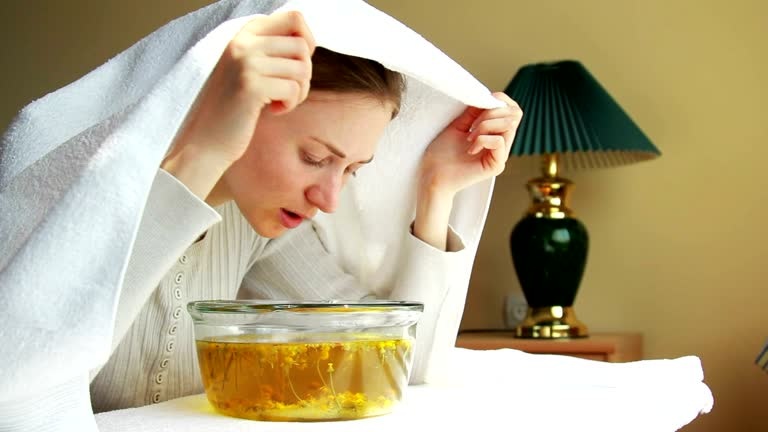
- Boil the water and pour it into a ceramic or glass bowl.
- Add the dried flowers and cover the bowl for 2-3 minutes to infuse.
- Position yourself above the bowl at a distance of about 30 cm, with your head covered by a towel.
- Inhale the steam for 8-10 minutes, with your eyes closed.
- After the steam treatment, pat your face dry with a clean towel and apply a soothing cream or hydrating serum.
It is recommended to perform the steam treatment 1-2 times a week, depending on skin sensitivity.
Contraindications and Important Precautions
- Very sensitive skin, couperose, or rosacea may react negatively to hot steam, worsening inflammation.
- Individuals with severe inflammatory acne should avoid exposure to hot steam, which can stimulate sebum production.
- Do not apply essential oils directly to hot water as they can irritate the eyes and skin; it is preferable to use dried plants.
- After steaming, the skin is more permeable and may be vulnerable to irritants—avoid products with alcohol or strong acids immediately afterward.
- Consult a dermatologist if you have complex skin conditions or ongoing treatments.