Rosehip oil is one of the most appreciated natural remedies in skincare, due to its rich composition of essential fatty acids, antioxidants, and vitamin A. While it is known for its numerous benefits, it is particularly noted for its ability to fade pigmentation spots and reduce the visibility of scars. However, to achieve real results, it is important to apply it correctly and consistently.
Chemical Composition
Rosehip oil (obtained from the seeds of the Rosa canina or Rosa rubiginosa fruit) contains:
- Essential fatty acids: Omega-3 (alpha-linolenic acid) and Omega-6 (linoleic acid) help with cellular regeneration.
- Vitamin A (natural retinoids) supports skin renewal, reduces pigmentation spots, and fine wrinkles.
- Vitamin C is a powerful antioxidant that contributes to skin brightening and collagen stimulation.
- Lycope and beta-carotene are natural pigments with anti-inflammatory and anti-aging roles.
Benefits of Rosehip Oil for Pigmentation Spots and Scars
1. Fades Pigmentation Spots (melasma, sun spots, post-acne)
Rosehip oil contains natural retinoids that stimulate skin renewal and reduce the visibility of spots. Additionally, the fatty acids help to even out skin tone by reducing the hyperactivity of melanocytes.
In a study published in the Journal of Cosmetics, Dermatological Sciences and Applications (2018), 80% of participants who applied rosehip oil daily for 12 weeks noticed a reduction in pigmentation spots and a more even skin texture.
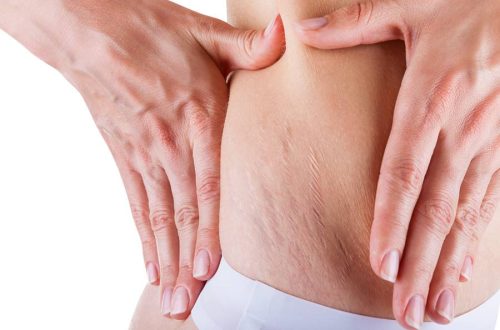
2. Reduces the Appearance of Scars (post-acne, surgical, stretch marks)
Thanks to vitamins A and C, the skin is encouraged to regenerate more quickly, making scars less visible. The oil helps restore the hydrolipidic layer and soothes irritated or inflamed skin.
A clinical study conducted in 2015 in the International Journal of Cosmetic Science showed that daily application of rosehip oil for 8 weeks led to a visible improvement in the texture of both new and old scars.
3. Evens Skin Texture and Provides Radiance
Regular use of rosehip oil smooths the skin and reduces red spots or areas with flaky skin. It has an anti-inflammatory effect, making it useful for skin affected by rosacea or eczema.
4. Nourishes Mature Skin and Reduces Fine Wrinkles
Due to its high content of antioxidants and fatty acids, rosehip oil prevents premature aging and restores skin elasticity. Natural retinoids stimulate collagen production.
How to Correctly Apply Rosehip Oil
Correct application is essential for maximum effectiveness:
Step 1: Cleanse the Skin Thoroughly
Wash your face with a gentle cleanser or micellar water and rinse well. Then apply a light toner to balance the skin’s pH.
Step 2: Apply on Slightly Damp Skin
Rosehip oil penetrates better on slightly damp skin. You can apply 2-3 drops directly to the face, gently massaging, especially in areas affected by spots or scars.
Step 3: Gentle Massage
Massage in circular motions until fully absorbed. For deep scars, you can perform a localized massage for 2-3 minutes.
Step 4: Apply in the Evening
It is recommended to use rosehip oil in the evening, as natural retinoids can make the skin sensitive to sunlight. If you wish to use it in the morning, it is essential to apply an SPF 30+ as well.
Contraindications and Precautions
- Sensitive or reactive skin: The effects of natural retinoids may cause irritation in some individuals.
- Active acne: In some cases, oils may clog pores; test on a small area.
- Sun exposure: Use sun protection, as the oil may make the skin more sensitive.
- Allergy test: Apply a drop in the crease of the elbow and wait 24 hours.
Nutritional Table (per 100 ml of rosehip oil)
| Component | Estimated Amount |
|---|---|
| Linoleic Acid (Omega-6) | 45-55% |
| Alpha-Linolenic Acid (Omega-3) | 25-35% |
| Oleic Acid (Omega-9) | 10-15% |
| Vitamin A (natural retinoids) | present |
| Vitamin C | present |
| Lycope and beta-carotene | present |
Sources:
- Journal of Cosmetic Dermatology: Rosehip oil in skin regeneration
- International Journal of Molecular Sciences: Topical application of rosehip oil improves skin barrier function
- Dermatologic Therapy: Efficacy of rosehip seed oil on post-surgical scars
- The Science Behind Rosehip Oil
- Essential fatty acids and skin health