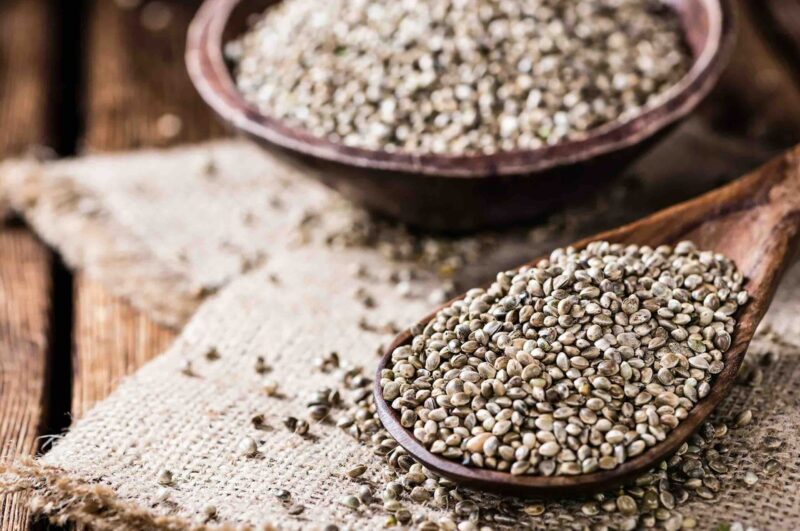
Hemp seeds (Cannabis sativa) are increasingly appreciated in modern nutrition due to their impressive nutritional content. They have no psychoactive effects, as they come from special varieties of industrial hemp with an extremely low THC content. In fact, they are considered a superfood because they provide a unique combination of proteins, essential fatty acids, fiber, minerals, and vitamins.
Nutritional Values (per 100 g of shelled seeds)
| Nutrient | Approximate Amount |
|---|---|
| Calories | 553 kcal |
| Proteins | 31.6 g |
| Total Fats | 48.8 g |
| Omega-3 Fatty Acids | 8.7 g |
| Omega-6 Fatty Acids | 28.7 g |
| Carbohydrates | 8.7 g |
| Fiber | 4 g |
| Iron | 7.9 mg |
| Magnesium | 700 mg |
| Zinc | 7 mg |
| Vitamin E | 0.8 mg |
Health Benefits
1. Excellent Source of Plant-Based Proteins
Hemp seeds contain all 9 essential amino acids, making them a complete protein, which is rare in the plant kingdom. This makes them useful for athletes, vegetarians, and vegans. Proteins support muscle recovery, enzyme and hormone synthesis, and maintaining a balanced metabolism.
2. Balance Between Omega-3 and Omega-6
The ratio of essential fatty acids in hemp seeds (1:3) is ideal for cardiovascular health. Omega-3 supports the elasticity of blood vessels and reduces inflammation, while Omega-6 contributes to the normal functioning of the brain and nervous system.
3. Heart Health Improvement
Regular consumption can lower LDL cholesterol and triglycerides, promoting an increase in HDL cholesterol (the good cholesterol). Fatty acids and arginine, an amino acid present in large quantities, support nitric oxide production, relaxing blood vessels and reducing the risk of hypertension.
4. Digestive Support
The fiber in hemp seeds regulates intestinal transit, nourishes the microbiota, and helps maintain stable blood sugar levels. Their consumption reduces the risk of constipation and aids in the elimination of toxins through the intestines.
5. Immune System Support
Zinc, magnesium, and vitamin E in hemp seeds contribute to the body’s natural defense. The antioxidants present neutralize free radicals, reducing oxidative stress and the risk of illness.
6. Skin Health Maintenance
The essential fatty acids in hemp seeds help hydrate the skin, reduce inflammation, and may alleviate conditions such as atopic dermatitis or eczema. Regular consumption is associated with healthier and more elastic skin.
7. Energy and Vitality
Due to the combination of proteins, healthy fats, and minerals, hemp seeds provide a constant source of energy. They are ideal for breakfast or snacks, preventing sharp drops in blood sugar levels.
8. Potential Beneficial Effect on the Hormonal System
The content of gamma-linolenic acid (GLA) may help regulate hormones, reducing symptoms of premenstrual syndrome and discomfort during menopause.
Studies and Research
-
A study published in the Journal of Agricultural and Food Chemistry showed that hemp proteins have high digestibility and can be compared to proteins from eggs or dairy, making them extremely valuable for vegetarians.
-
Research from Nutrition & Metabolism confirmed that the ratio of Omega-3 to Omega-6 in hemp has anti-inflammatory effects and contributes to reducing the risk of cardiovascular diseases.
-
Other studies published in Dermatologic Therapy observed significant improvements in patients with atopic dermatitis after supplementing their diet with hemp oil.
-
A systematic review published in Frontiers in Nutrition highlighted the role of hemp seeds in regulating intestinal microbiota and preventing metabolic diseases.
Consumption Methods
-
As is: 1-2 tablespoons per day, sprinkled over salads, smoothies, yogurt, or cereals.
-
Hemp Milk: made by blending seeds with water and straining.
-
Hemp Oil: used in salads or cold dishes (not for frying).
-
Hemp Flour: a partial substitute for white flour in bread, cookies, or pancakes.
Contraindications and Precautions
-
Individuals with seed allergies (e.g., sesame) should consume with caution.
-
Not recommended in excess for those with coagulation disorders, as they may slightly influence bleeding time.
-
In the case of anticoagulant treatments, consulting a doctor is advised.
-
Consumption should be adjusted in the case of digestive disorders (e.g., irritable bowel syndrome) due to the fiber content.




