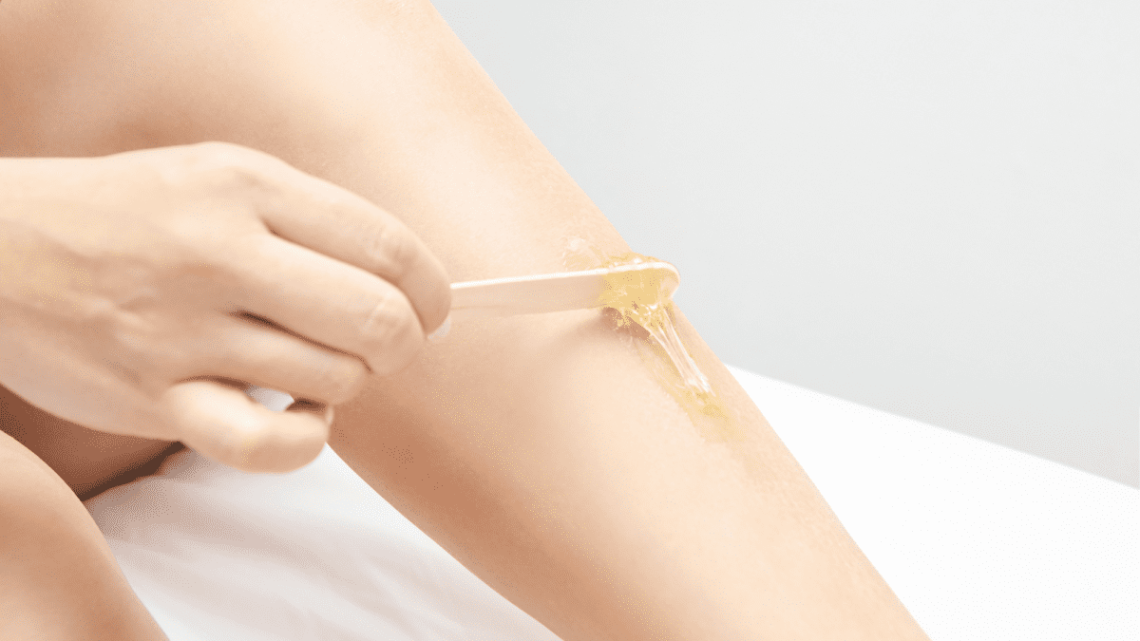
Unwanted hair is one of the most common aesthetic nuisances faced by many people. From expensive methods like laser hair removal to temporary solutions, the options are varied. However, a common ingredient from the kitchen, baking soda, has become the subject of viral recipes for removing unwanted hair. Baking soda remedies promise surprising effects, and some people even claim that it can permanently reduce hair growth.
But how true are these claims? And how should baking soda be used correctly for this issue?
Simple Recipe with Baking Soda for Unwanted Hair
Ingredients:
-
1 tablespoon of baking soda
-
1 cup (250 ml) of hot water
-
a cotton pad or clean gauze
-
plastic wrap (optional)
Preparation and Application Method:
-
Boil a cup of water, then add the baking soda and stir until completely dissolved.
-
Let the solution cool slightly until it reaches a tolerable temperature for the skin.
-
Soak the cotton pad or gauze in the solution and apply it to the area with unwanted hair.
-
Cover with plastic wrap and let it act overnight (only if your skin tolerates the treatment well).
-
In the morning, rinse the area and apply a soothing cream or natural oil (olive, coconut, or almond).
Repeat the treatment 2-3 times a week for several weeks.
How Does Baking Soda Work?
Baking soda has alkaline properties and modifies the pH of the skin, which can affect hair follicles. Combined with warm water, it softens the hair, weakens the root, and over time, may reduce hair density. However, it does not burn hair and does not permanently destroy follicles, as laser or IPL hair removal does. Rather, the effect is one of softening and delayed growth.
Detailed Benefits of the Treatment
1. Reduces hair growth over time
Regular application can lead to a visible softening of hair and a slowing down of the growth rate. Some users report that after 2-3 months of treatment, certain areas have become almost completely smooth.
2. Gently exfoliates the skin
Baking soda acts as a natural exfoliant, removing dead cells and cleansing pores, which prevents hair from growing under the skin.
3. Disinfectant and antifungal effect
The antibacterial properties of baking soda reduce the risk of skin infections, especially after hair removal or shaving.
4. Affordable and easy to prepare solution
Compared to cosmetic methods, this remedy is extremely cheap and can be prepared in a few minutes.
What Do Studies Say?
Although there are no direct clinical studies confirming the effectiveness of baking soda for permanent hair removal, several research studies have confirmed its properties:
-
Antimicrobial properties of sodium bicarbonate – Journal of Food Science, 2016: Baking soda has demonstrated significant antimicrobial activity, which may reduce irritation after hair removal.
-
Sodium bicarbonate in dermatology – Dermatologic Therapy, 2018: The article mentions the use of baking soda for exfoliation and skin soothing, but also the necessary precautions for sensitive skin.
Contraindications and Precautions
It is not recommended for people with sensitive, dry, or eczema-prone skin, as it may cause irritation or excessive dryness.
Do not apply to irritated areas, freshly shaved skin, or open wounds.
Avoid contact with eyes and mucous membranes.
Discontinue treatment if cuts, burns, or intense redness occur.
Test on a small area of skin 24 hours before full application.
Although it is not a miraculous remedy for permanent hair removal, baking soda can be a natural adjunct in your care routine, helping to soften hair and cleanse the skin. It is important to have realistic expectations and not to replace medical or aesthetic treatments without a specialist consultation. Like any natural remedy, effectiveness varies from person to person.
Sources:
-
Journal of Food Science Antimicrobial properties of sodium bicarbonate
-
Dermatologic Therapy Sodium bicarbonate in dermatology